
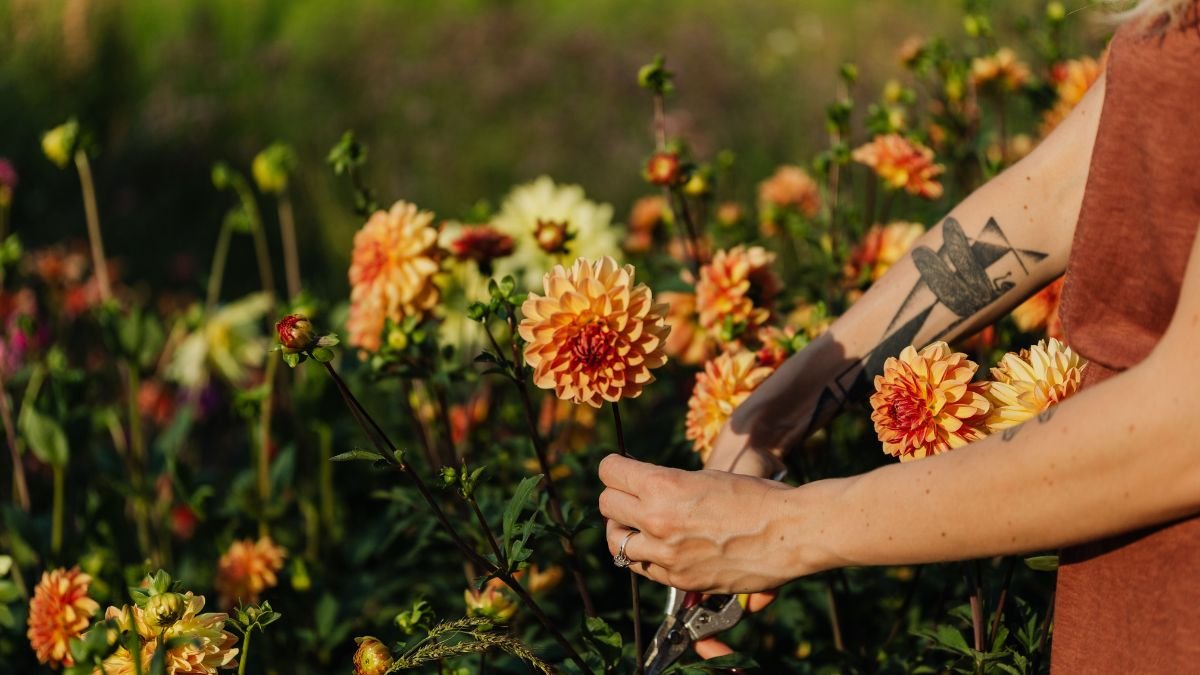
Know when to lift your dahlias, how to pack the tubers and what to check before spring.
Learning how to store dahlia tubers starts with a simple balance: protect them from freezing without letting them rot or shrivel. These swollen roots carry the plant through its dormant season. With careful lifting, suitable storage and regular checks, healthy clumps can grow again when warmer weather returns.
Lift dahlias after frost damages the foliage, before the ground freezes. Cut the stems to about 4 inches, loosen the soil and lift from underneath. Let surface moisture dry, then pack healthy clumps in clean vermiculite, wood shavings or newspaper. Store at 40–50°F (about 4–10°C), away from frost, and check monthly for rot, shriveling or early growth.
You do not need an elaborate setup for overwintering dahlias. A labeled box, suitable packing material and a thermometer give you a useful starting point. First, decide whether your winter conditions make lifting necessary.
Do You Need to Dig Up Dahlia Tubers?
Dahlias are tender perennials, so their tubers need protection where the ground freezes. Winter wet also matters because waterlogged soil can encourage decay. For that reason, drainage and local winter conditions are more useful than a hardiness-zone number alone.
In mild areas with freely draining soil, leaving dahlias in the ground may work. Cover the crowns with about 6 inches (15 cm) of mulch for insulation. However, an unusually cold or wet winter can still cause losses.
If your beds stay soggy, lifting is the safer option. Our guide to how to amend clay soil can help you plan drainage improvements for future planting. Mulch offers insulation, but it cannot make a waterlogged bed suitable for winter storage.
Across colder parts of the US and Canada, plan to lift before the soil freezes. In the UK, sheltered gardens may allow outdoor overwintering, while colder sites and heavy soils favor indoor storage. For a favorite variety you would hate to lose, storing a healthy clump indoors avoids relying entirely on a mild winter.
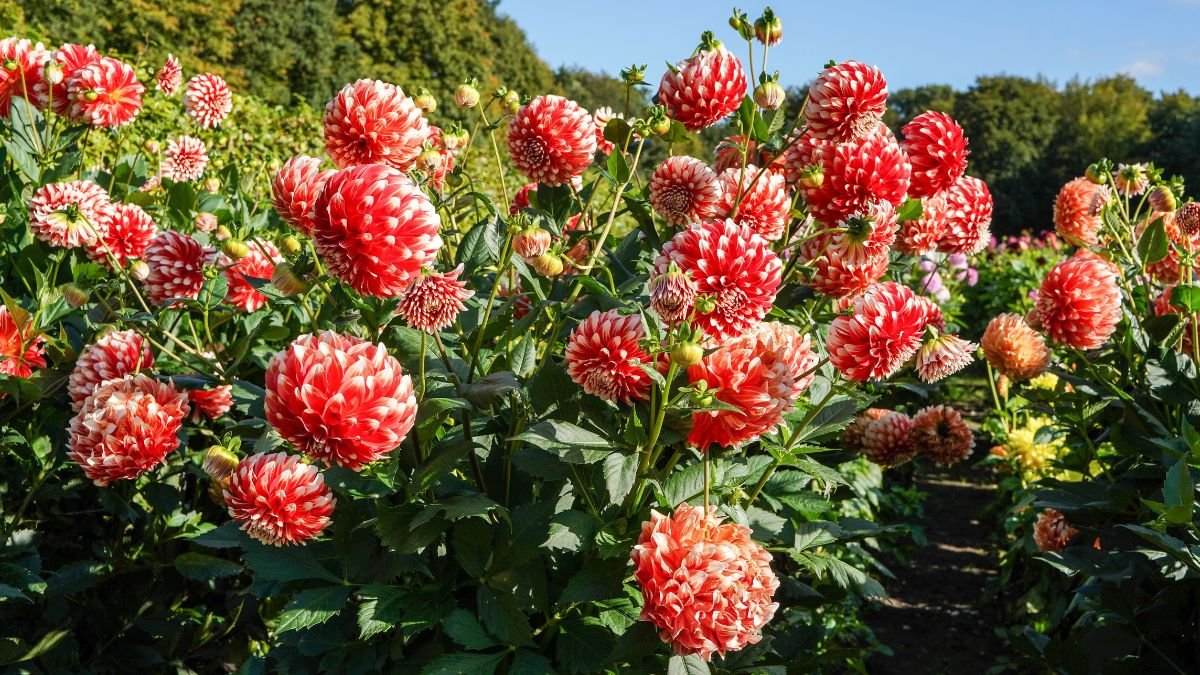
When to Dig Up Dahlia Tubers Before Winter
Watch the plants and the forecast rather than choosing one calendar date. Frost-blackened foliage is a common signal to start lifting. However, a light frost that damages a few flowers is different from a prolonged freeze that reaches the tubers.
Leave healthy plants growing as long as conditions safely allow, since tubers mature late in the season. Once the foliage dies back, arrange a lifting day before the ground freezes. Do not follow a fixed waiting period if a severe freeze is approaching.
Choose a dry day when possible because wet soil makes handling heavier and messier. Gather a fork or spade, clean pruners, labels and a tray before you begin. Keep each variety’s label with its clump throughout lifting and drying.
Our guide to how to protect plants from frost covers temporary protection while plants are still growing. Once you decide to lift, cut the stems just before digging. Leaving open, hollow stems exposed to rain can allow water to collect near the crown.
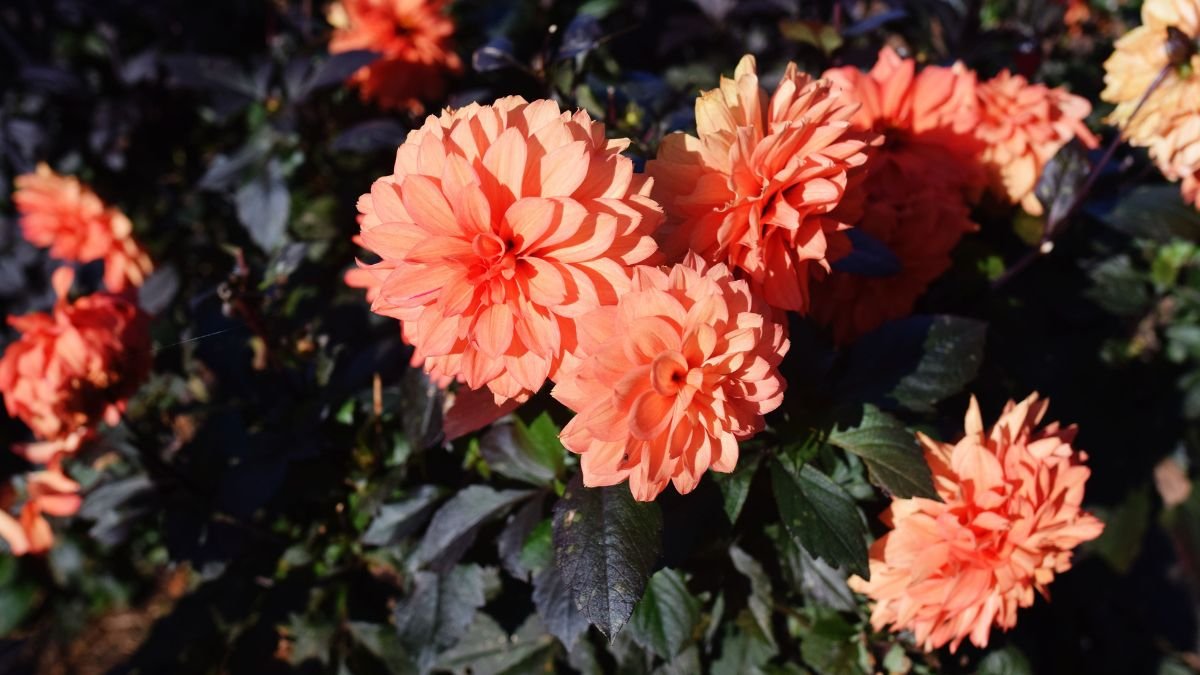
How to Store Dahlia Tubers Over Winter: Step by Step
Before lifting, set up somewhere to put the clumps straight away. Gather labels, trays and packing supplies, and check your proposed storage space with a thermometer. This gives you time to choose another location if the garage is too cold or the house too warm.
Cut the stems and keep the labels
Cut the stems to about 4 inches (10 cm) above the soil with clean pruners. This leaves the crown easy to locate, but the stub is not a lifting handle. Attach the variety label securely before removing the plant.
Separate healthy plant debris from anything that appears diseased. If you are unsure what belongs in a home compost pile, check what you can compost. Keep obviously diseased dahlia material out of your home compost, and clean your tools between clumps.
Dig around the clump and lift underneath
Start about 12 inches (30 cm) from the main stem, then loosen the soil around the entire plant. Work underneath with a fork or spade and lift gently. If the clump resists, loosen more soil instead of pulling harder.
Support its weight from below as you move it onto a tray. Each tuber has a narrow neck connecting it to the crown, and that neck can snap during rough handling. Keep the clump together while you remove loose soil, without banging or shaking it hard.
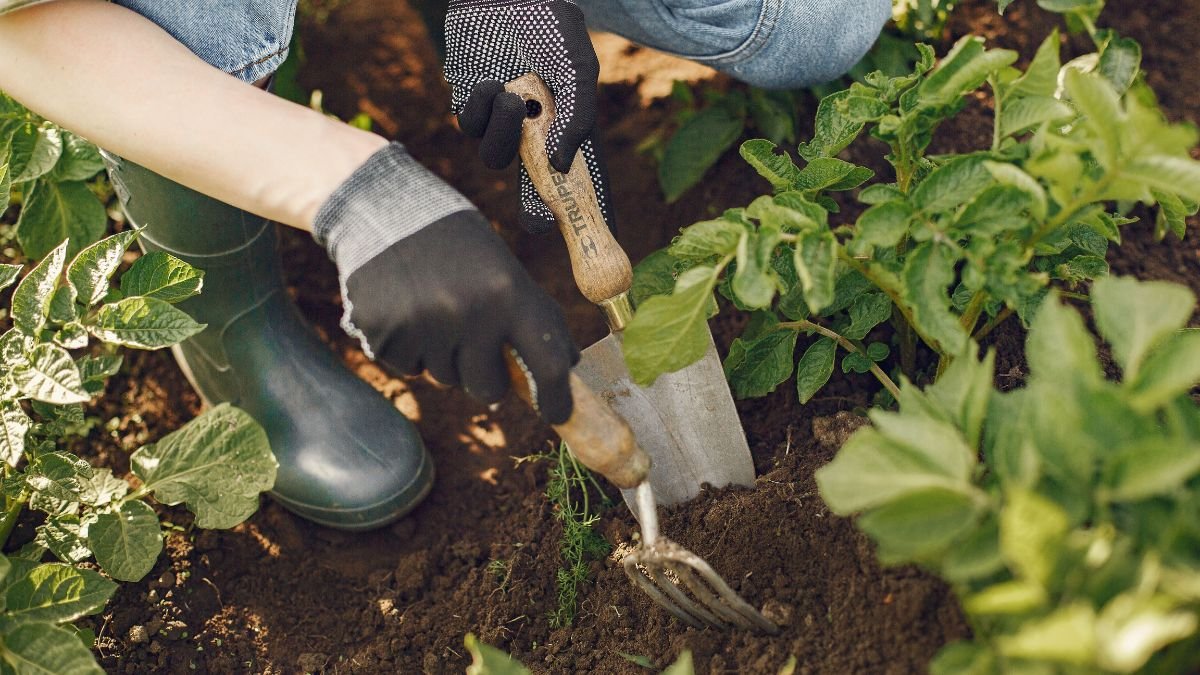
Clean and dry dahlia tubers before storage
Gently remove loose soil so you can inspect the clump. You may leave an intact clump unwashed or rinse away stubborn soil carefully. Both approaches appear in horticultural guidance, but washed clumps need time for the added surface moisture to dry.
Set the tubers in a sheltered, frost-free place with gentle air circulation. Turn the clump upside down so water can drain from the hollow stems. Keep it out of direct sun and away from heaters or drying winds.
Check the crown, stem bases and spaces between tubers before packing. The outside should feel dry while the tuber bodies remain firm. Stop drying before the roots become wrinkled or brittle.
Spread clumps out so you can inspect them individually instead of making a heap. If moisture remains trapped between tightly clustered roots, give that area more time to dry. Check again before moving the clump into packing, especially if you washed away heavy soil.
Leave division until spring if you are unsure
Keeping clumps intact is a practical beginner option. In spring, swelling eyes are easier to identify, and you avoid storing freshly cut divisions all winter. However, experienced growers also divide in fall when they can recognize the eyes.
A viable division needs a tuber body, an unbroken neck and crown tissue carrying at least one eye. The eye is a growth bud near the old stem, rather than anywhere along the swollen root. A detached tuber without that connection will not produce a new plant.
Use a clean, sharp knife if you divide now, and let cut surfaces dry before packing. Do not assume a sprinkle of kitchen cinnamon will prevent storage rot. Careful handling, healthy stock and suitable storage conditions remain the useful steps you can control.
Watch: preparing dahlia tubers for winter storage
Pack healthy clumps without crowding them
Choose a clean cardboard box or another container suited to your storage room. Add packing material underneath, place the clumps with space between them, then cushion them with more material. Avoid crushing the necks or letting separate clumps rub together.
Label each clump as well as the box, especially if you store several varieties. Keep any doubtful tuber separate rather than hiding it among healthy ones. Finally, make sure you can open the container easily for winter checks.
If a label is missing, write “unknown” and record whatever you can identify, such as flower color. This keeps your spring planting plan useful without giving a tuber a variety name you cannot confirm.
In a dry room, a very open container can allow too much moisture to escape. In a humid room, trapped moisture is the greater concern. Choose the container and packing together rather than assuming more ventilation always helps, and never seal damp clumps inside an airtight bin.
Best Materials for Storing Dahlia Tubers
The packing should limit moisture loss without keeping the tubers wet. The right balance depends on your room, container and chosen method. Start with clean material, then use winter checks to see whether it needs adjusting.
Peat moss
Peat moss appears in traditional storage methods, but its moisture level needs care. Tubers can shrivel in very dry storage conditions, while packing that stays wet can encourage decay. Avoid treating a soaking-wet or sponge-like mix as the goal.
Vermiculite
Coarse vermiculite is a useful option for cushioning tubers and managing moisture around them. Use enough to separate the clumps. Check the roots themselves during storage rather than judging success by the packing alone.
Wood shavings
Clean, untreated wood shavings are another common choice. Choose material without added treatments or fragrance. Keep it loose around the clumps, and check whether your particular storage conditions are drying them excessively.
Plastic wrap
Individual plastic wrapping is an established specialist method with its own preparation steps. It is not a shortcut for wrapping damp, freshly lifted clumps. For a first season, the box-and-packing method is easier to inspect and adjust.
Paper bags and newspaper
Paper bags can keep varieties organized, while newspaper provides cushioning. However, paper offers less protection against very dry room conditions. Check for shriveling rather than assuming an open paper container will suit every storage space.
Dry packing suits some whole-clump methods, while other guidance uses material with a little moisture added. Neither approach should leave tubers wet or sitting against condensation. If your first checks reveal a problem, adjust gradually instead of soaking the whole box.
Where to Store Dahlia Tubers: Temperature and Conditions
Aim for a stable dahlia tuber storage temperature of 40–50°F (about 4–10°C). A cellar, cool basement or insulated garage may work if it stays within a suitable range. Check with a thermometer beside the box, because room names do not tell you the actual conditions.
Choose a dark, frost-free spot away from heating vents and direct sun. An unheated shed or garage can freeze during a cold spell, while a warm utility room may encourage early growth. Check overnight lows in the storage space before relying on it.
For a simple reference, Iowa State Extension’s storage guidance gives the same temperature target. Use that range alongside the condition of your tubers. A suitable temperature cannot compensate for packing that stays wet.
Storage safety: Keep labeled boxes away from children and pets, and identify the contents as planting stock. Place them somewhere accessible enough that winter checks will be easy.
Check Stored Dahlia Tubers for Rot and Shriveling
Open the container about once a month, and check sooner if you notice condensation or changing room conditions. Look at the crown and neck as well as the tuber body. Compare what you see with the previous check before making a large moisture adjustment.
Keep a simple note of the date, temperature and any changes you make. A photograph can also help you compare wrinkles or damaged areas at the next inspection. If only one clump is deteriorating, separate it before changing conditions for every healthy clump in the box.
Shriveled tubers: slight wrinkling does not automatically mean a tuber is dead. If drying is progressing, lightly mist the packing and reassess; avoid soaking the roots. A hollow, brittle tuber is a poorer prospect than one that remains firm.
Mold or rot: inspect surface mold separately from soft, collapsing tissue. Remove affected tubers from the shared box, discard badly rotten ones and replace damp packing. If you trim a small area of decay, cut back to sound tissue with a clean knife and dry the wound before storing separately.
Early sprouting: check whether the storage area has warmed up. Move still-dormant stock to a cooler, frost-free place if needed. Near planting time, sprouting tubers can be potted and grown in good light under cover.
Watch: another way to store dahlia tubers over winter
Can You Leave Dahlia Tubers in Pots Over Winter?
Yes, you can store dahlias in their existing pots if you have a suitable frost-free space. Once the plants die back, stop watering and cut down the stems. Move the pots under cover so winter rain cannot keep the compost wet.
Store dormant pots somewhere cool, dark and dry, with protection from freezing. Do not water on a monthly schedule simply because the compost feels dry. Dormant storage has different moisture needs from an actively growing plant.
Remove any saucer holding standing water and check that the drainage holes are clear. If the pot has been soaked by autumn rain, let excess water drain under cover before winter storage. Moving a waterlogged container indoors does not remove the moisture already around the tubers.
Check the pots during the same round as your boxed tubers. If you suspect decay or serious drying, lift a clump for inspection instead of repeatedly adding water to an unseen problem. Pot storage saves handling, but a large container also takes more room.
When to Bring Dahlia Tubers Out of Storage in Spring
Plan around your local last-frost period and the conditions in your garden. Inspect the stored stock first, removing badly decayed or hollow tubers. Keep sound clumps, and divide them if needed once you can identify the eyes.
Do not discard a firm, intact clump solely because you cannot see buds immediately. Some varieties take longer to show their eyes. Set uncertain but sound stock aside for another inspection, and wait for clearer growth before making cuts that could remove the crown.
If you want an earlier start, pot the tubers under cover in spring. Give new shoots good light and keep them protected from frost. Resume watering cautiously rather than leaving newly potted tubers in saturated compost.
While you organize other spring sowing, our guide to how to start seeds indoors can help with the rest of your planting plans. Gradually accustom leafy dahlia plants to outdoor conditions before planting out. Wait until frost risk has passed and choose a sunny site with freely draining soil.
Common Dahlia Tuber Storage Mistakes to Avoid
- Choosing a shed or garage without checking whether it freezes during cold weather.
- Packing wet tubers or leaving condensation unchecked, which can encourage decay.
- Drying clumps beside a heater or in strong sun until they begin to shrivel.
- Pulling plants by their stems and breaking the necks that connect tubers to the crown.
- Losing variety labels or leaving the box unopened until spring.
Frequently Asked Questions About Storing Dahlia Tubers
Can I store dahlia tubers without peat moss?
Yes. Vermiculite, clean wood shavings or newspaper are alternatives. Choose a method that cushions the tubers and lets you manage moisture, then inspect the roots regularly rather than relying on one material to prevent every problem.
Do I need to wash dahlia tubers before storage?
No, not for every method. You can brush loose soil from intact clumps, while washing helps reveal damage when you need a closer inspection. If you rinse them, let surface water dry before packing.
How long do dahlia tubers last in storage?
Healthy tubers can remain dormant until the next suitable spring planting window. The storage period varies with climate and lifting dates, so check their condition throughout winter. With suitable care each season, dahlias can return for many years.
Can I leave dahlia tubers in the ground over winter?
Sometimes, in mild conditions with good drainage and an insulating mulch. However, freezing soil or a very wet winter can kill them. Lift valuable varieties if you cannot rely on suitable outdoor conditions.
What temperature is best for storing dahlia tubers?
A practical target is 40–50°F (about 4–10°C). Keep the storage space frost-free and check its temperature during cold spells. Avoid a warm room that encourages growth before you are ready to pot the tubers.
How long should dahlia tubers dry before storage?
There is no single drying time for every clump. Iowa State allows 24 hours for its washed-clump method, while other methods use longer curing. Check the crown and stems for moisture, and pack when surfaces are dry but tubers remain firm.
Are shriveled dahlia tubers dead?
Not always. A lightly wrinkled tuber may still be usable if its body is firm and its neck and crown are sound. Hollow, brittle or badly rotten roots are poor candidates, and adding water cannot repair a broken neck.
Can I store dahlia tubers in an unheated garage?
Only if the actual conditions are suitable. Measure the temperature beside the container through cold weather, rather than assuming the garage stays frost-free. Move the stock if temperatures threaten to freeze the tubers.
Can I store dahlia tubers without soil?
Yes. Lifted, cleaned clumps do not need garden soil around them for box storage. Use a suitable packing material instead, and keep the tubers dormant until spring. This is different from leaving a plant in its existing pot and compost.
Final Tips on How to Store Dahlia Tubers Over Winter
Knowing how to store dahlia tubers comes down to careful lifting, dry surfaces, balanced moisture and frost-free storage. Label each clump, check it through winter and adjust conditions before small problems spread. For the rest of your seasonal jobs, see how to winterize your garden.