

How to Protect Plants from Frost: When to Cover, What to Use & What to Skip
When frost is likely, which plants need cover, what materials really work, and what to do if frost has already hit, in simple steps you can follow tonight.
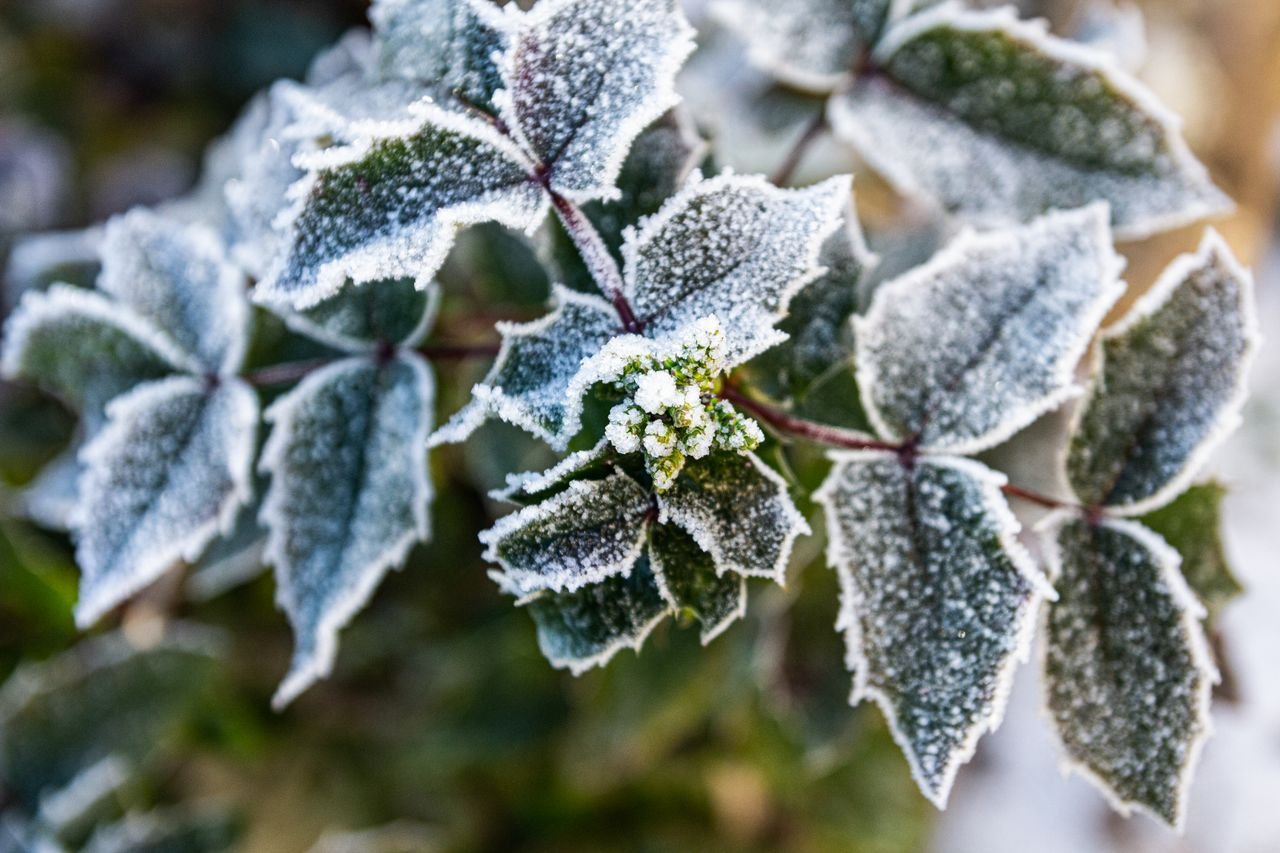
You go to bed after a mild October day. The next morning the basil is black, the tomato leaves hang limp and the dahlias you waited all summer for are finished. One clear, still night is all it takes. The good news is that frost damage is easy to prevent once you know how to protect plants from frost: when it is likely, which plants are at risk and how to cover them properly.
This guide walks through each step in plain language. It also answers the question many gardeners ask on a cold evening, whether a cardboard box or a tarp will do the job, and it covers potted plants, mulch and what to do if frost has already hit.
Check these 3 things before frost arrives
- The forecast. Look at the overnight low, not the daytime high. Words like “frost advisory” or “freeze warning” from your local weather service mean it is time to act.
- Your plants. Walk the garden and note which plants are tender and which are hardy. The lists below make this quick.
- Your materials. Gather covers, stakes and something to weigh down the edges while it is still light. Searching for a sheet in the dark is how plants get missed.
When Is Frost a Danger to Your Garden?
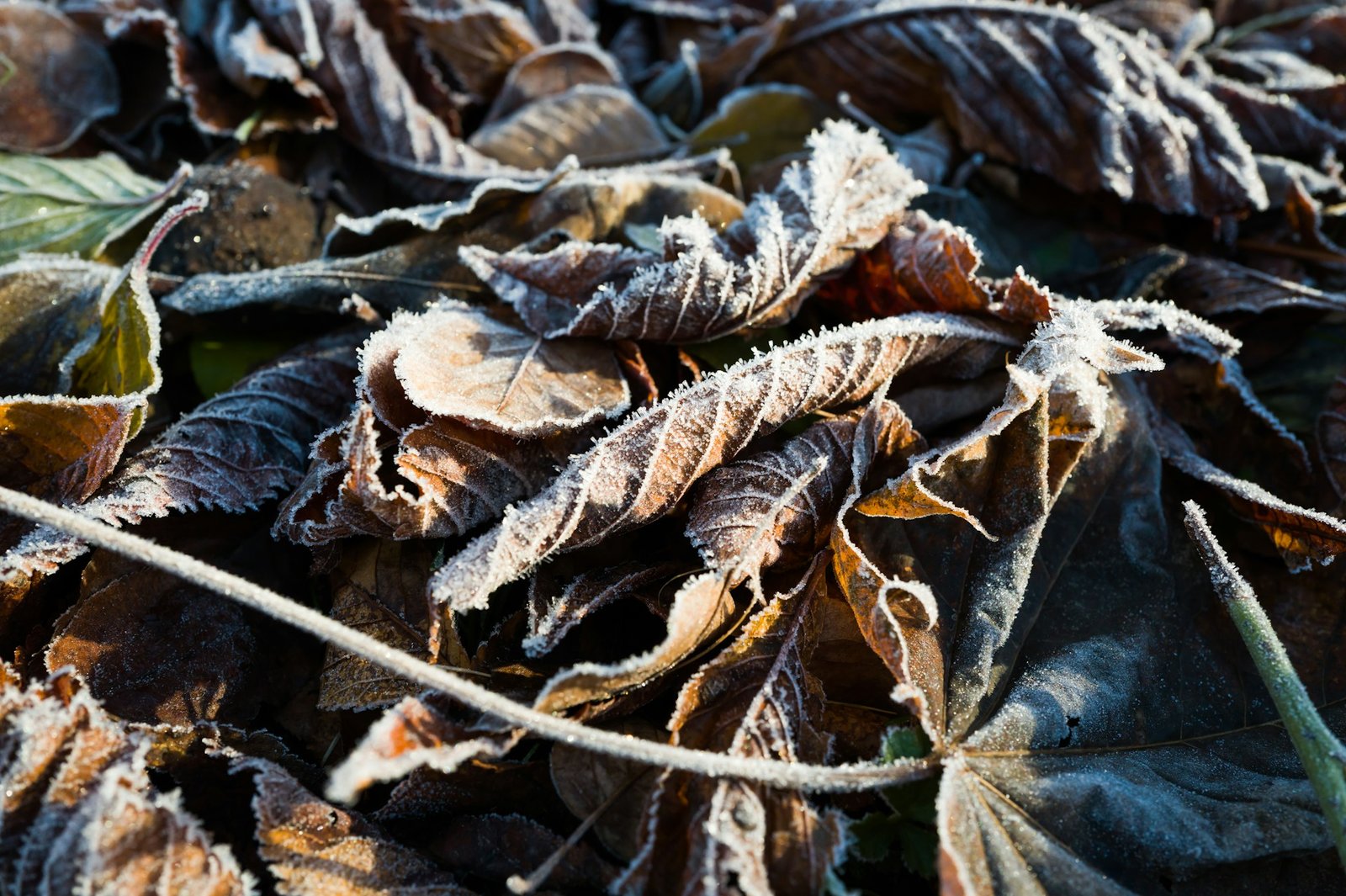
Frost forms when the air near the ground drops to freezing and the water inside leaves turns to ice. The ice crystals damage the plant cells. After the thaw, leaves look dark and water-soaked, then turn brown or black and limp. The damage often shows only after the sun comes up, so a garden that looked fine at dusk can look ruined by breakfast.
Not every cold night carries the same risk. Use this table to match the overnight low to the right level of action.
| Overnight Low | What It Is Called | What It Does | What to Do |
|---|---|---|---|
| 33–36°F (1–2°C) | Frost possible | On clear, calm nights frost can still form at ground level, even when the forecast is a few degrees above freezing. | Cover tender plants as a precaution. |
| 29–32°F (−2 to 0°C) | Light frost | Damages or kills tender plants such as tomatoes, peppers and basil. | Cover tender plants. Hardy ones are usually fine. |
| 28°F (−2°C) and below | Hard freeze | Kills most tender plants and can damage many hardy ones. | Harvest what you can, move pots indoors and cover valuable plants with a thicker layer. |
Temperatures are overnight lows measured near the plants. Frost cloth adds only a few degrees of protection, so in a hard freeze tender plants may need a thicker cover or a move indoors.
Signs a frost is coming
- A clear sky and no wind. Clouds and wind hold heat near the ground. Clear, still nights let it escape.
- A frost advisory or freeze warning. Check the forecast every afternoon in autumn, because conditions can change within a day.
- A fast temperature drop after sunset. If it already feels chilly in the early evening, the night will be much colder.
Which Plants Need Protection (and Which Can Handle Frost)
You do not need to cover everything. Protect the plants that cannot take a freeze and let the tough ones do their job. As a rule of thumb, warm-season crops like tomatoes, peppers and basil are tender, while cool-season crops grown for their leaves and roots, like kale and carrots, are hardy.
- Tomatoes, peppers and eggplant
- Cucumbers, squash and beans
- Basil and other tender herbs
- Dahlias, zinnias, impatiens and geraniums
- New seedlings and young transplants
- Kale, collards and Brussels sprouts
- Spinach, cabbage and broccoli
- Carrots, beets and parsnips
- Garlic and onions
- Most established perennials and shrubs
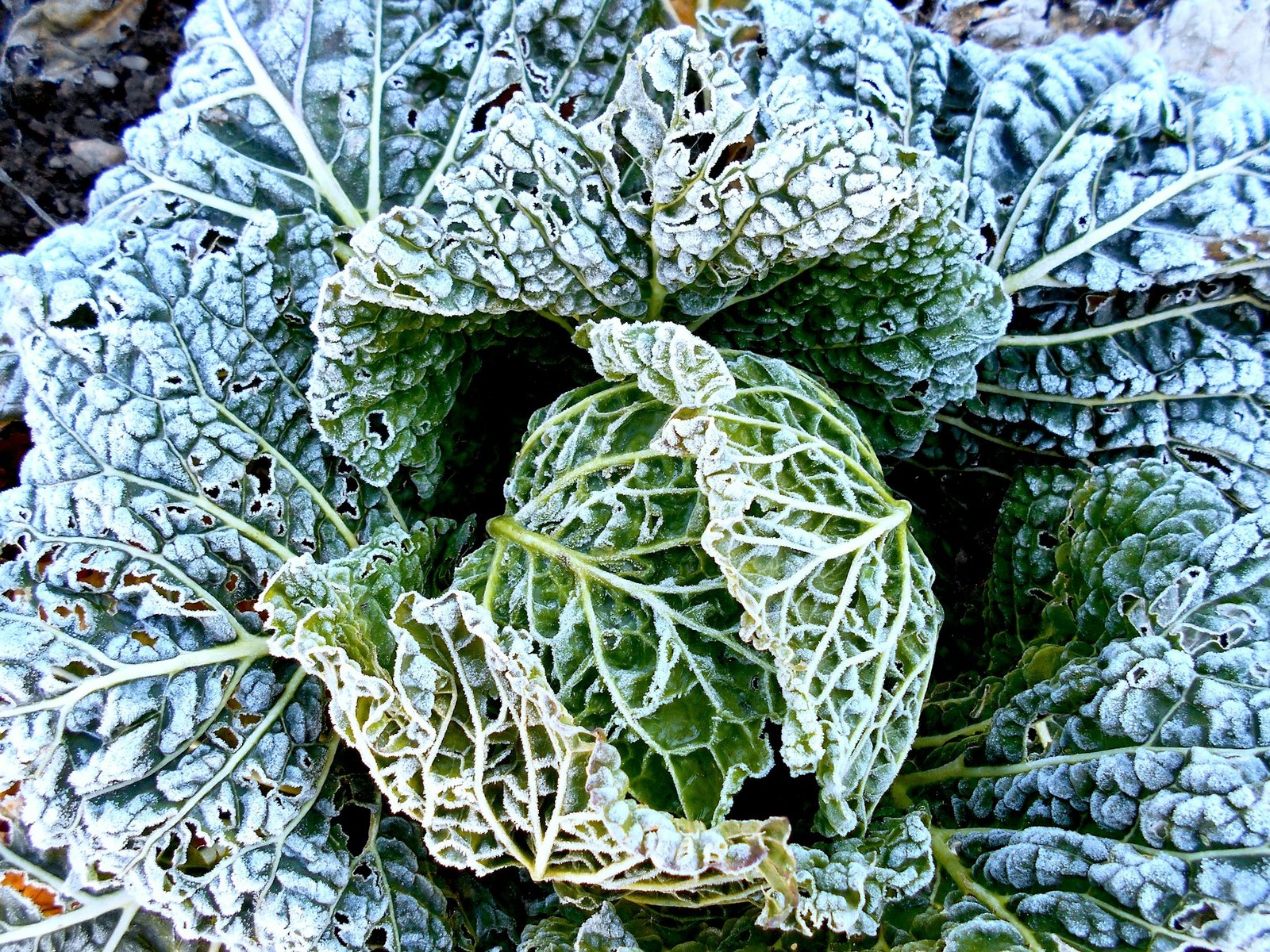
Hardy vegetables like kale, carrots and Brussels sprouts often taste sweeter after a light frost, because the plant turns some of its starches into sugars. A bit of frost is part of why autumn greens taste so good.
If you want next year’s beds to be easy to cover, group tender crops together. Our guide to vegetable garden layout plans and spacing shows how to arrange beds so that one cover protects a whole row in minutes instead of an hour.
Pick tomatoes and peppers before a hard freeze
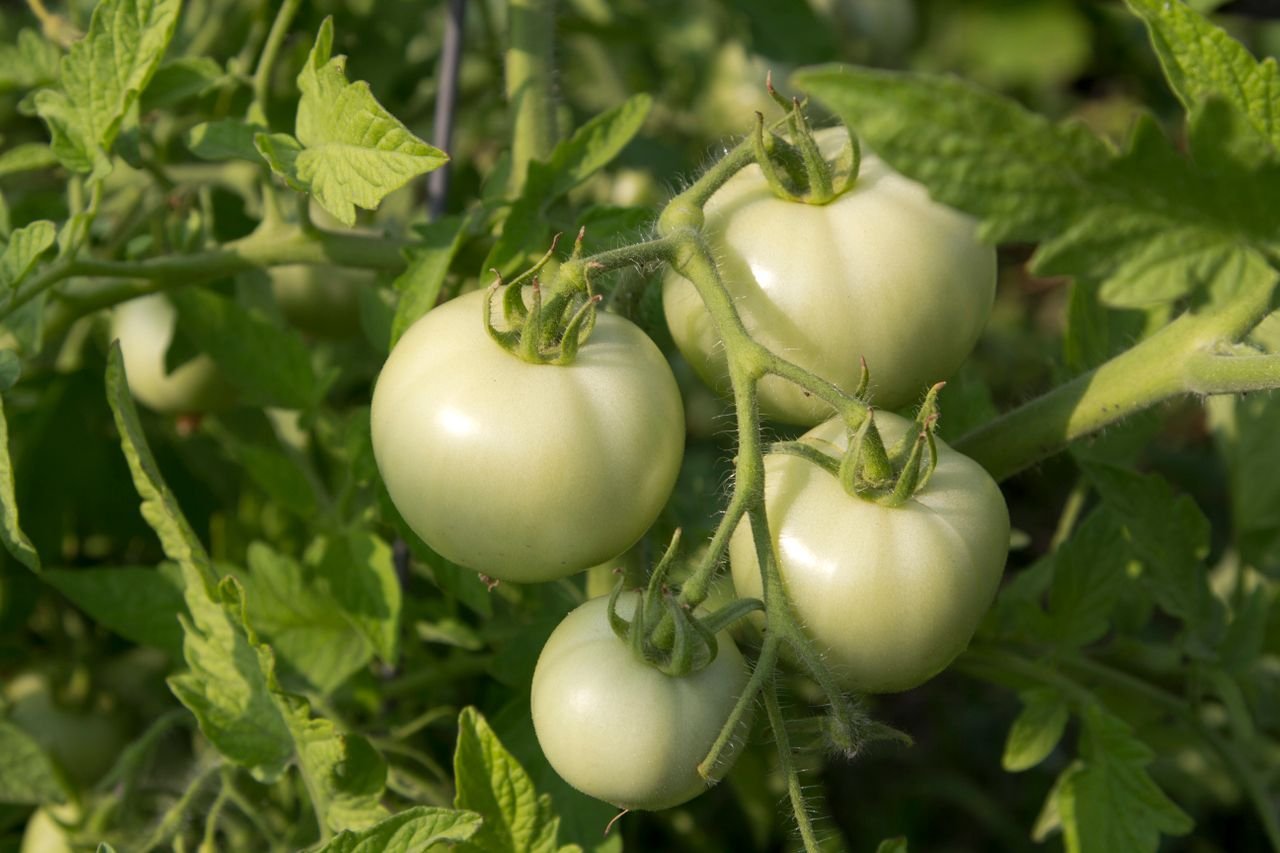
Do not leave ripening fruit to the cold. Before a hard freeze, harvest all peppers and eggplant, and pick tomatoes that have reached full size. Mature green tomatoes, which look pale green and glossy, will ripen indoors in a warm spot within a few weeks. Small, hard, dark-green tomatoes will not ripen well, but they can still be used in cooking.
Wrap ripening tomatoes loosely in paper or lay them in a single layer in a box so they do not bruise, and keep them out of direct sun. Check them every couple of days and remove any that start to soften or spoil.
Perennials, shrubs and roses
Established perennials and shrubs usually survive frost because their roots sit below the soil, where it is warmer. The ones that need help are newly planted ones and anything that is not fully hardy in your area. Cover them on the coldest nights and add mulch around the base. If the leaves on your roses turn yellow after a cold snap, frost is not always the cause, so see why rose leaves turn yellow before you decide.
Best Materials to Protect Plants from Frost
You can use items from around the house or inexpensive garden supplies. The key is to choose a material that traps heat without crushing or suffocating the plant. Here is what works and when to use it.
Frost cloth and row cover
This lightweight fabric traps heat rising from the soil and still lets light and air through. Depending on its thickness, it adds roughly 2–8°F (1–4°C) of protection. It is the best all-round choice for vegetable beds because you can leave it on during a long cold spell without harming the plants, and it can be reused for several seasons if you store it dry.
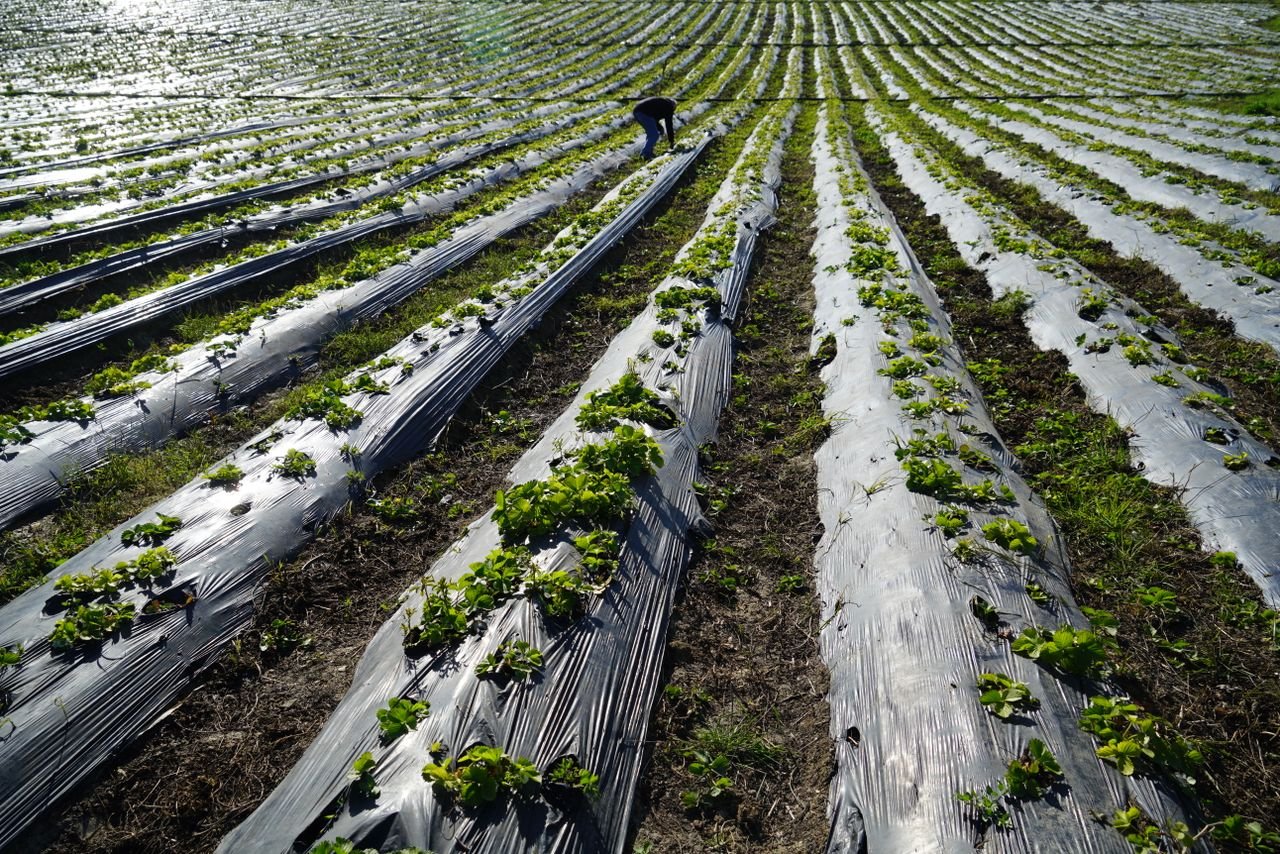
When you buy frost cloth, weight matters. Lightweight cover gives a few degrees of protection and is fine for light frosts, and it lets in the most light, so it can stay on for days. Heavier cover protects better on the coldest nights, but it lets in less light, so it suits short cold snaps more than weeks of use. Buy a piece wide enough to reach the soil on both sides of the bed, with a little extra to weigh down, and fold it dry before storing it so it lasts for several seasons.
Bed sheets, blankets and burlap
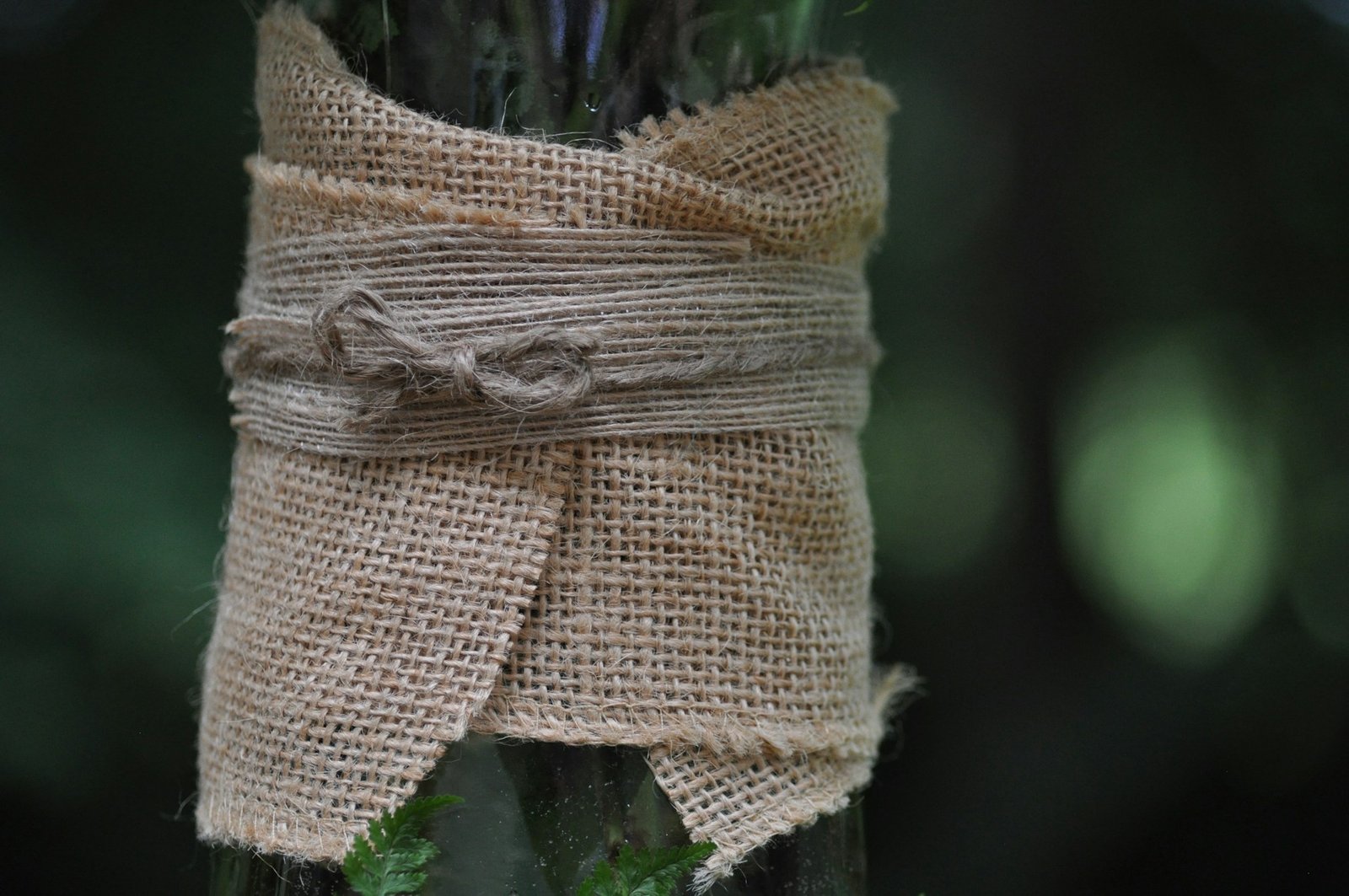
Old bed sheets, blankets and towels are free and work well for a single night. Cotton and wool hold more heat than thin synthetic fabrics. Remove them in the morning, because wet fabric gets heavy and can bend or break stems. Burlap is breathable and ideal for shrubs and young trees. Drive three or four stakes around the plant and drape the burlap over them, or wrap it loosely around the branches. Do not wrap it tightly, since the plant needs air to avoid rot.
Cloches, low tunnels and water jugs
- Cloches. A cut-off milk jug, a clear plastic bottle or a large glass jar protects one small plant. Take it off, or remove the cap, during the day so the plant does not overheat.
- Low tunnels and cold frames. Hoops of wire or pipe with row cover over them protect a whole row of greens. A cold frame, which is a bottomless box with a clear lid, can protect plants for weeks.
- Jugs of water. Dark jugs filled with water and placed next to plants under a cover soak up warmth in the daytime and release it slowly at night.
How to Protect Plants from Frost: Step by Step
Follow these seven steps on any night when frost is forecast.
- Check the forecast in the afternoon. Do not wait until dark. You want time to gather covers and stakes while it is still light.
- Water the soil earlier in the day. Damp soil absorbs and holds more heat than dry soil. Water the soil, not the leaves, and do not soak it.
- Harvest anything ripe. Pick peppers, tomatoes and tender herbs that you can use or store.
- Cover plants before sunset. The ground still holds the day’s warmth, and your goal is to trap that heat around the plants overnight.
- Drape the cover all the way to the ground. Covering only the top lets warm air escape from the sides. Use stakes, hoops or tomato cages to keep the fabric off the leaves.
- Secure the edges. Weigh them down with bricks, stones or soil so wind cannot blow the cover away or let the heat out.
- Remove the cover in the morning. Take it off once the frost has melted and the temperature is above freezing. Covers left on in strong sun can overheat plants.
Watch how covering plants before a frost is done:
If a long cold spell is forecast, breathable row cover can stay in place for several days. Lift a corner on mild afternoons to check on the plants and let in fresh air. Solid covers like blankets and plastic should always come off in the morning.
Will Cardboard Boxes or a Tarp Protect Plants from Frost?
Many gardeners ask this because boxes and tarps are what they have on hand. Here are the honest answers.
Cardboard boxes
Yes, for one night and for small plants. Turn a box upside down over the plant and weigh it down with a brick. The box blocks the cold night sky and traps heat from the soil. Remove it first thing in the morning, because it blocks light. If the plant is delicate, push a stake in first so wet cardboard does not crush it.
Tarps and plastic sheets
They can help, but they need care. Plastic does not insulate well, and wherever it touches a leaf it passes cold straight to the plant and can cause damage in those spots. To use a tarp safely, hold it above the plants with stakes or a frame, tuck the edges into the ground and put a bed sheet or blanket underneath for extra insulation. Remove it early in the morning, since clear plastic heats up fast in sunshine.
| Cover | Best For | Watch Out For |
|---|---|---|
| Frost cloth or row cover | Vegetable beds and long cold spells | Secure the edges so wind does not lift it |
| Sheet or blanket | One night, small to medium plants | Heavy when wet. Remove it in the morning |
| Cardboard box | Single small plants for one night | Blocks light. Can crush soft stems |
| Tarp or plastic | A last resort over a frame | Must not touch leaves. Overheats in sun |
Fabric comes first. A cardboard box is a good one-night fix. A tarp is a last resort and only works when it does not touch the leaves.
How to Protect Potted Plants and Containers
Pots are more exposed than plants in the ground, because the cold reaches the roots from every side. Whenever possible, move them to a garage, porch or shed for the night. If they must stay outside, use these tricks:
- Group the pots together against a house wall, where they share warmth and get shelter from wind.
- Wrap the pots with burlap or bubble wrap to protect the roots.
- Stand them on a wooden board or a piece of foam instead of cold concrete.
- Cover the plants like garden plants, with a cloth that reaches the ground or the base of the pot.
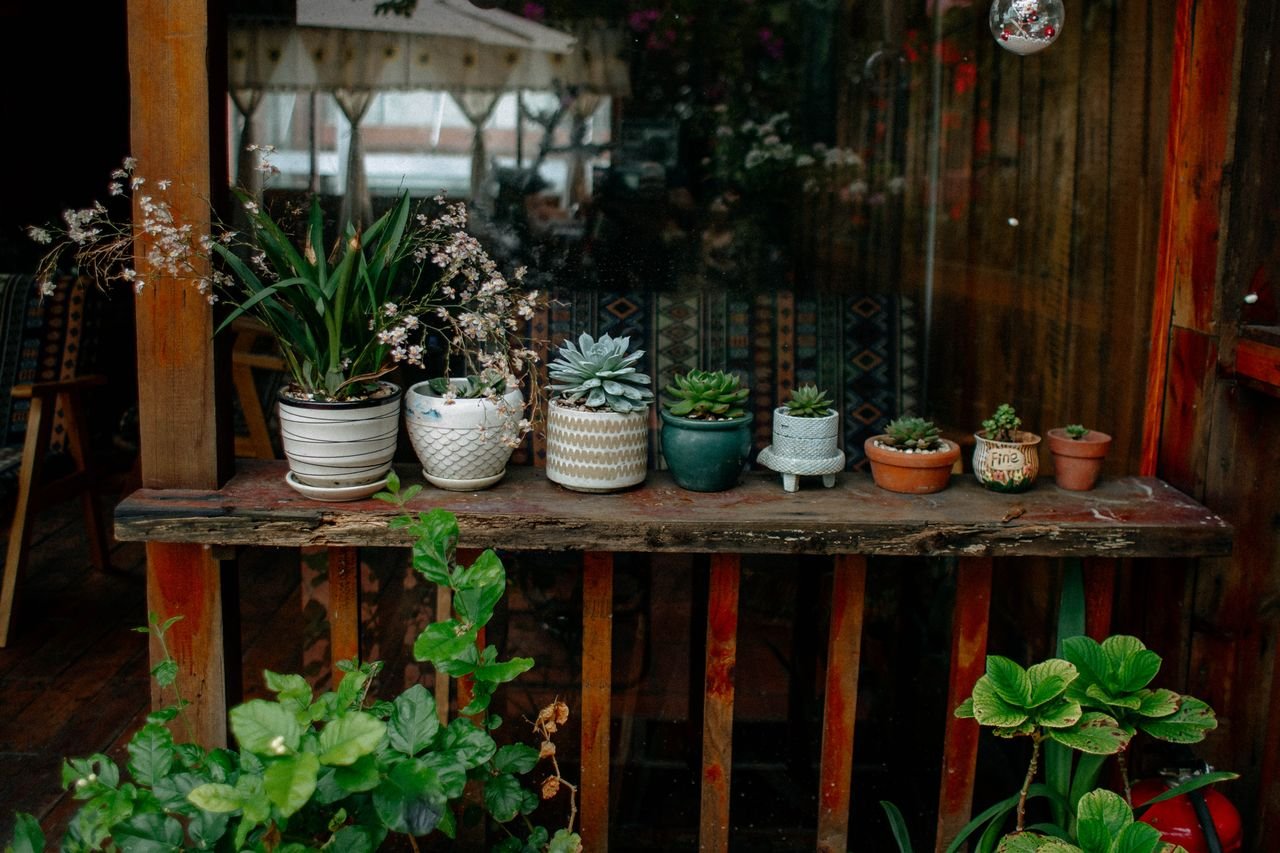
Basil is especially sensitive, and nights that dip below about 50°F (10°C) can already harm it, so bring it indoors early. Our guide to growing herbs in containers explains how to keep potted herbs healthy, including what to do when the weather turns.
If you bring tender plants inside, check the leaves and stems first. Aphids love to hitch a ride, and it is much easier to deal with them before they reach your houseplants. Here is how to get rid of aphids on plants naturally.
Use Water and Mulch to Hold the Heat
Two simple jobs make every other method work better.
Water the soil earlier in the day
Moist soil stores more heat than dry soil and releases it slowly overnight. Water in the morning or early afternoon so the surface has time to drain before dark, and water the soil rather than the leaves.
Add a layer of mulch
Spread 2–4 inches of straw, shredded leaves or wood chips around the base of the plants. Mulch protects the roots from sudden cold, which helps new transplants, perennials and garlic beds in particular. Keep it a couple of inches away from the stems so they do not rot.

Remember that mulch protects the roots, not the leaves and stems above ground. Tender plants still need a cover on frosty nights. If you are new to garden care and want more simple habits like this, our gardening tips for beginners are a good next read.
What to Do If Frost Already Hit Your Plants
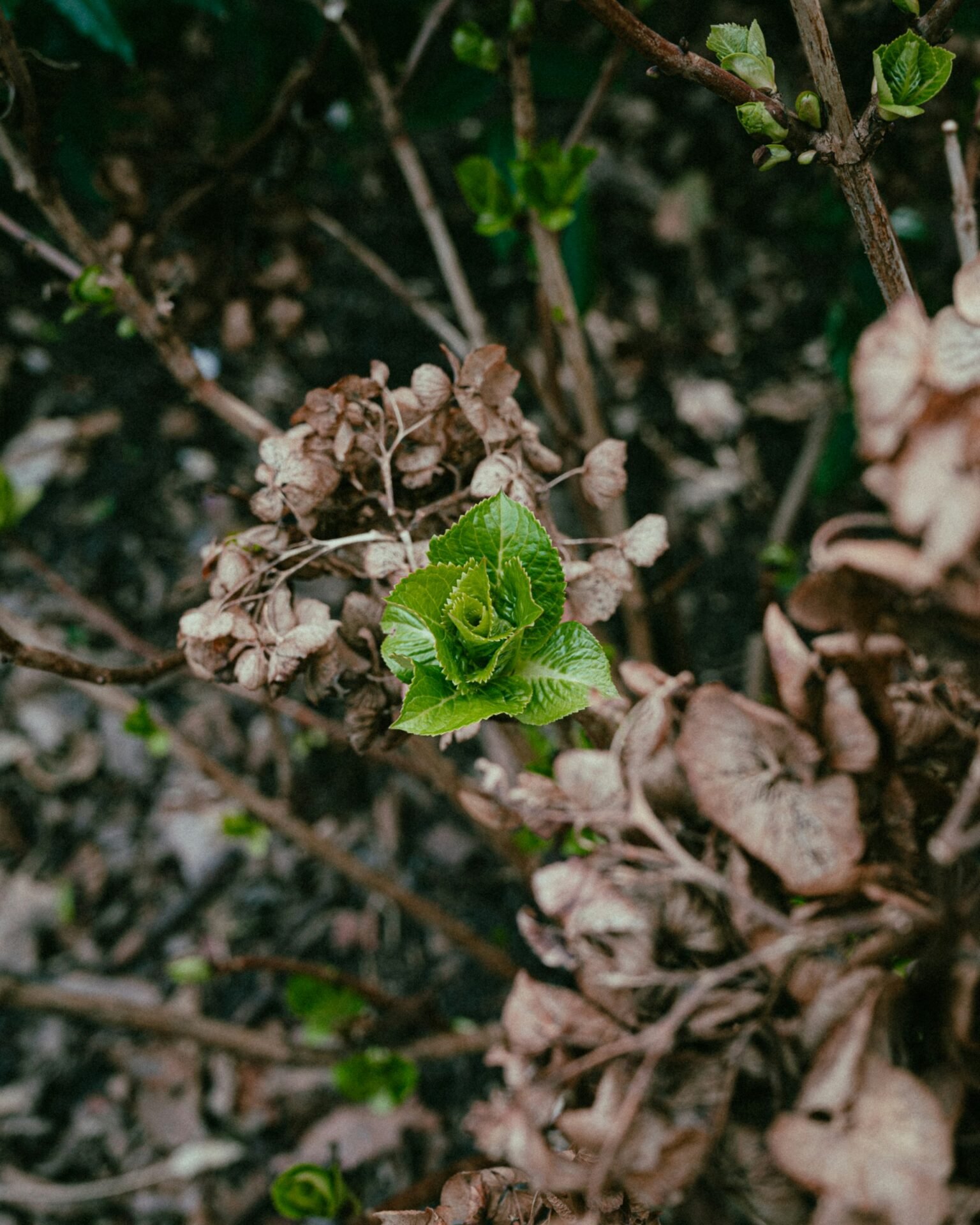
Do not panic, and do not rush for the pruning shears. Plants that look dead are sometimes just damaged, and they need a little time to show which parts are alive.
- Wait before pruning woody plants. The damaged leaves can shield the lower growth from the next frost. For shrubs and roses, wait until spring, when new growth shows you what is alive.
- Remove tender plants that are black and mushy. Tomato, basil and squash plants will not recover. Clear them out and add them to the compost pile.
- Do the scratch test. Gently scratch a small spot of bark with your fingernail. Green and moist underneath means the stem is alive.
- Water normally and skip the fertilizer. Fertilizer pushes out soft new growth that the next frost will damage.
- Protect from the next frost. A plant that survived once may not survive twice, so cover it again when cold nights return.
How long does recovery take?
It depends on the plant. Some bounce back within days, while woody plants can take until late spring to show you what survived. This table gives a rough idea of what to expect.
| Plant Type | What to Expect After Frost |
|---|---|
| Hardy vegetables (kale, carrots) | Usually fine, and often sweeter. Harvest as normal. |
| Tender vegetables and herbs | Usually finished. Remove them once they turn black and mushy. |
| Perennials | Top growth may die back, but the roots often regrow in spring. |
| Shrubs and roses | May lose leaves and tips. Wait for spring growth before pruning. |
| Bulbs in the ground | Usually unaffected, since they sit below the frost line. |
Recovery varies by plant, variety and how hard the freeze was.
Watch how to help frost-damaged plants recover:
Common Frost Protection Mistakes to Avoid
| Mistake | Why It Fails | Do This Instead |
|---|---|---|
| Covering too late | Once it is already cold, the soil’s stored warmth is gone. | Cover before sunset. |
| Letting plastic touch the leaves | It passes cold straight to the foliage. | Hold it up on stakes or a frame. |
| Leaving covers on in full sun | Plants can overheat and wilt. | Uncover in the morning. |
| Covering only the top | Warm air escapes from the sides. | Drape the cover to the ground. |
| Not securing the cover | A gust of wind can pull it off in the middle of the night. | Weigh down the edges. |
| Pruning too early | Cutting damaged growth exposes healthy tissue to the next frost. | Wait for spring growth. |
| Fertilizing late in the season | It encourages tender new growth that cannot handle the cold. | Stop feeding in autumn. |
Frost Protection Checklist
- Check the forecast every afternoon during autumn.
- Keep a thermometer in the garden at plant height.
- Gather covers, stakes, bricks and burlap before you need them.
- Harvest ripe produce and full-size green tomatoes.
- Water the soil earlier in the day.
- Mulch around roots, keeping it clear of the stems.
- Move potted plants to a garage or beside the house.
- Cover tender plants before sunset, all the way to the ground.
- Remove covers in the morning once the frost has melted.
- Wait before pruning any frost-damaged plants.
Frequently Asked Questions
At what temperature should I cover my plants?
Cover tender plants when the overnight low is forecast at 36°F (2°C) or below, especially on a clear, still night. Hardy plants usually cope with light frost, but below about 28°F (−2°C) many of them need cover too.
Can I use a bed sheet to protect plants from frost?
Yes. A bed sheet or blanket is a good one-night solution. Keep it off the leaves with stakes, secure it to the ground and remove it in the morning.
Should I leave plants covered during the day?
Usually no. Plants need light and air, and a cover can overheat in the sun. The exception is a breathable row cover during a long cold spell, which can stay on for several days.
Does watering before a frost help?
Yes. Moist soil holds more heat than dry soil. Water earlier in the day and water the soil rather than the leaves.
Do I need to cover plants if it is only 34°F?
For tender plants, it is worth it. On a clear, calm night, frost can form at ground level even when the forecast reads a few degrees above freezing.
Will my plants come back after a frost?
It depends on the plant. Perennials and many shrubs often recover, while tender plants like tomatoes, basil and squash usually do not. Wait for new growth before deciding what to remove.
This guide is for general gardening information. Frost dates and plant hardiness vary by location, so check your local weather forecast and your local nursery or agricultural extension service for advice specific to your area.