
How to Grow a Lemon Tree: Planting, Care & Yellow Leaf Fixes
Sun, pots, watering, indoor tips and simple fixes for common problems. Everything you need for lemons at home.
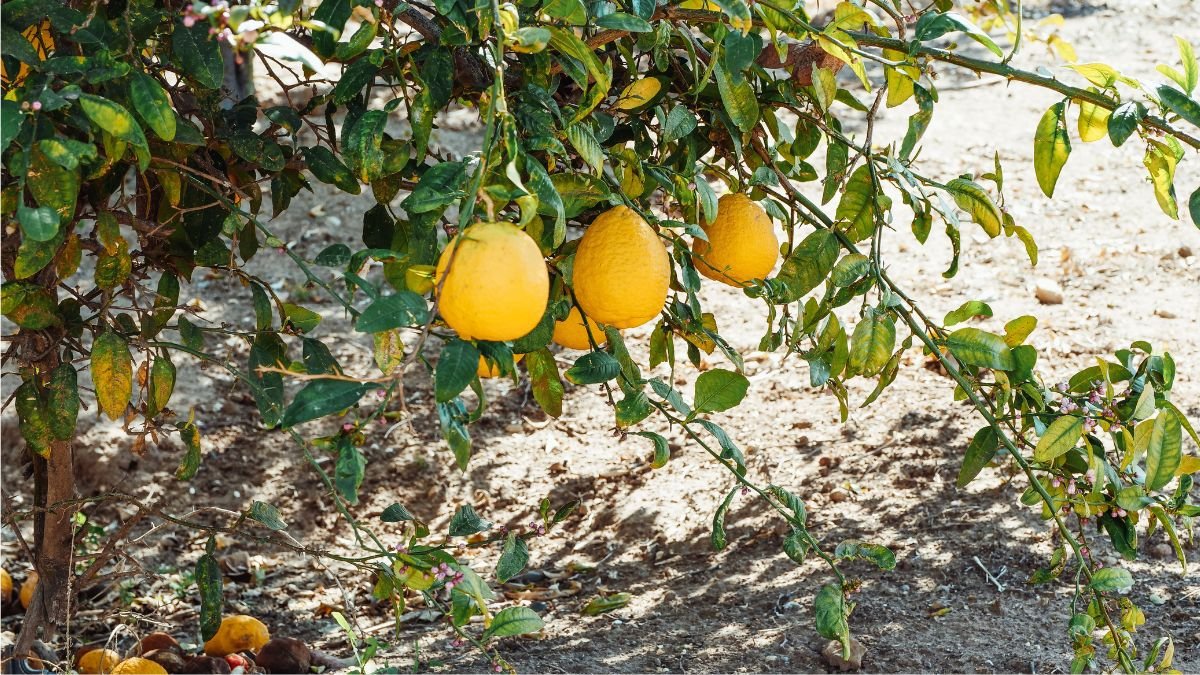
A lemon tree gives you fresh lemons, glossy green leaves, and beautiful, fragrant flowers. You do not need a big garden or a warm climate to enjoy one. With the right pot, good light, and a simple routine, anyone can learn how to grow a lemon tree. In this guide, you will see how to plant one, how lemon tree care works through the year, and how to fix yellow leaves.
Quick answer: Give your lemon tree 8 to 12 hours of direct sun, a pot with drainage holes, light fast-draining soil, deep but infrequent watering, and citrus fertilizer every 4 to 6 weeks in spring and summer.
Choose the Right Lemon Tree
Start with a young grafted tree from a nursery. It will usually begin producing lemons in about 1 to 3 years. A tree grown from seed can take 5 years or more to fruit, and the lemons may not match the fruit the seed came from.
Meyer lemon
Compact, cold tolerant, and less thorny. Best pick for beginners and pots.
Eureka & Lisbon
Classic sour shop lemons. They grow bigger and need more space.
Dwarf Ponderosa
Huge, thick-skinned fruit that stays small in a pot.
Meyer lemon tree care is the same as for any other lemon: lots of sun, good drainage, and steady feeding. If space is tight, look for the word “dwarf” on the plant tag. A dwarf lemon tree stays small and fruits young, so it is the best choice indoors.
Lemon trees can grow outdoors all year in USDA zones 9 to 11. In colder areas, plant yours in a pot and bring it indoors for winter. Want more beginner-friendly options? See our guides to easy fruit trees to grow at home and growing strawberries in pots.
Where to Put Your Lemon Tree
Sunlight matters more than anything else. A lemon tree needs 8 to 12 hours of direct sun a day to stay healthy and make fruit. Choose the sunniest spot you have, ideally one that is protected from strong wind.
Indoors, a south-facing window works best. If the room is dim, add a grow light for 10 to 12 hours a day. Too little light makes a tree drop leaves and skip flowers.
How to Plant a Lemon Tree in the Ground
- Dig the hole. Make it twice as wide as the root ball and just as deep.
- Set the tree. The top of the root ball should sit slightly above the soil. Keep the graft union, the small bump near the base of the trunk, above the soil line.
- Fill and water. Refill with the soil you dug out, press it down gently, and water thoroughly.
- Add mulch. Spread 2 to 3 inches (5 to 7 cm) of mulch, but keep it a few inches away from the trunk.
Lemon roots rot easily in wet soil. If your soil is heavy clay, plant the tree on a small mound. Our guide on how to amend clay soil shows how to improve drainage.
Growing a Lemon Tree in a Pot
Growing a lemon tree in a pot is a smart choice for cold climates and small gardens. Start with a pot about 12 to 16 inches (30 to 40 cm) wide, because a pot that is too big keeps the soil wet for too long. Move up one size every 2 to 3 years.
The pot must have drainage holes. A light-coloured pot keeps the roots cooler in the sun than a dark one, and a wheeled plant stand makes a heavy tree easy to move.
Lemon trees prefer light, sandy, well-draining soil. Use a citrus potting mix, or blend regular potting soil with perlite or coarse sand. Aim for slightly acidic soil with a pH between 6 and 7.

Lemon Tree Care: Water, Food and Pruning
Good lemon tree care comes down to a few simple tasks.
Watering
Water deeply, then let the soil dry before watering again. Push a finger into the soil. When the top 2 to 3 inches (5 to 7 cm) feel dry, water until it drains from the bottom holes. A potted tree usually needs water about once a week in summer and every 10 to 14 days in winter. Empty the saucer after watering, because lemon trees hate soggy soil.
Feeding
Lemon trees are heavy feeders. Use a citrus fertilizer with nitrogen plus iron, zinc, and magnesium. Feed every 4 to 6 weeks from spring to late summer, and stop in winter. For trees in the ground, adding compost each spring also helps.
Pruning
Prune in late winter or early spring. Remove dead, crossing, or rubbing branches and any suckers growing below the graft. Keep the center of the tree open so light and air can get in. One light trim a year is enough.
Temperature
Lemon trees love warmth, and a sudden frost can damage them. Bring potted trees indoors when night temperatures drop close to 10°C (50°F). Read how to protect plants from frost.
Lemon tree care in winter is simple: water less, skip the fertilizer, and give the tree as much light as you can.
Watch: a quick lemon tree care guide.
How to Grow a Lemon Tree Indoors
Place the tree in your brightest window and turn the pot a quarter turn every week so all sides get light. Keep it away from radiators, heating vents, and cold drafts, because they make the leaves drop. Indoor air is often dry, so stand the pot on a tray of pebbles with water, keeping the pot itself above the water.
Indoor trees also need help with pollination. When the flowers open, gently brush the inside of each one with a small soft paintbrush to move the pollen around.
Your tree can spend summer outdoors. Once frost danger has passed and nights stay above 13°C (55°F), move it outside slowly, starting with a few hours of morning sun so the leaves do not scorch. Bring it back before the first fall frost. Sudden changes in light or temperature can make fruit drop. For more on indoor citrus, see Pennington’s indoor lemon tree guide, or browse our easy indoor plants for beginners.
Why Are My Lemon Tree Leaves Turning Yellow?
Yellow leaves are the most common lemon tree problem. The cause is usually easy to find and fix.
- Too much water. This is the number one cause. Leaves turn yellow and drop while the soil is still wet. Let the soil dry out, check that the pot drains well, and water less often.
- Too little water. Leaves turn dull yellow, curl, and become brittle. Water deeply and follow a regular schedule.
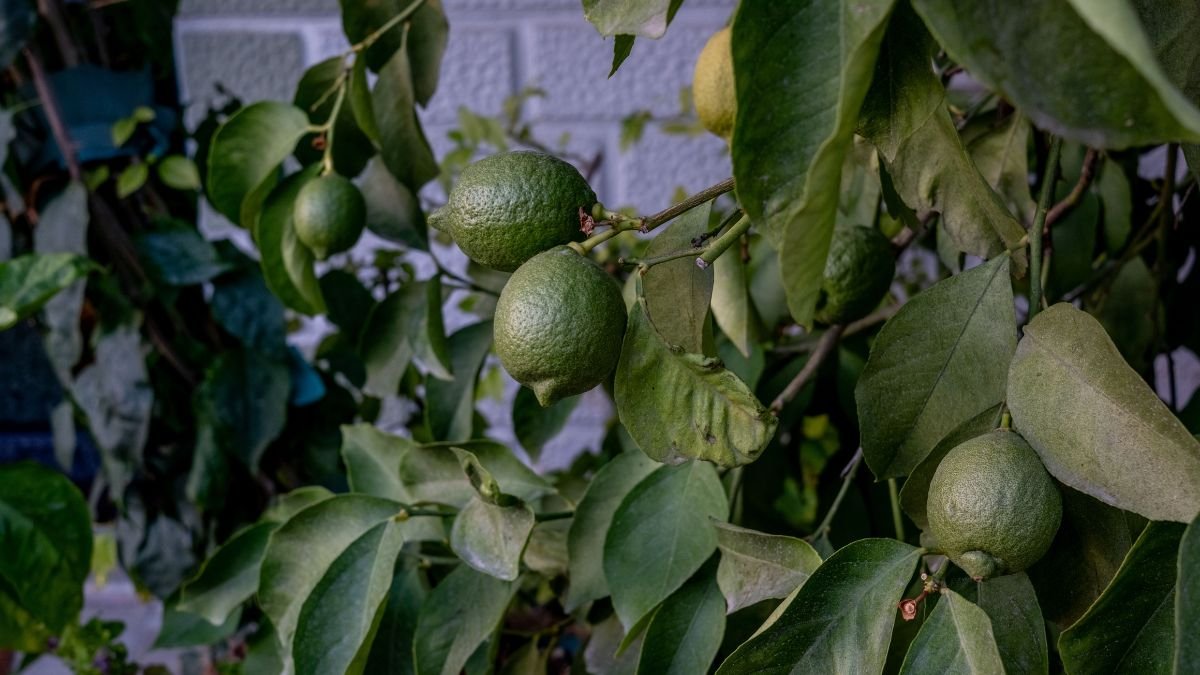
- Missing nutrients. If the whole leaf turns pale, the tree may need nitrogen. If new leaves are yellow but the veins stay green, it often needs iron or zinc. Feed it with a citrus fertilizer.
- Cold or low light. Move the tree to a warmer, brighter spot away from drafts.
- Pests. Check the underside of leaves for aphids, scale, or spider mites. Wash them off with water and treat with neem oil if needed. See how to get rid of aphids on plants and how to use neem oil on plants.
- Normal leaf drop. A few old leaves turning yellow now and then is normal. Worry only if many leaves change at once.
How to Grow a Lemon Tree From Seed
Yes, you can grow a lemon tree from seed, but it takes patience.
- Pick fresh seeds. Take them from a ripe lemon.
- Rinse them well. Remove all pulp and sugar so mold does not grow. Soaking in warm water for 6 to 12 hours can speed up sprouting.
- Plant them. Sow several seeds about half an inch (1 cm) deep in moist potting mix, since not every seed will sprout.
- Keep them warm and humid. Aim for 21 to 24°C (70 to 75°F) and cover the pot with a clear dome or plastic wrap.
- Wait. Seeds usually sprout in 2 to 4 weeks.
A seed-grown tree can take 5 or more years to fruit, and the lemons may taste different. For lemons sooner, buy a grafted tree. For expert quotes on starting seeds, see ELLE Decor’s lemon tree from seed guide.
When to Pick Your Lemons
Lemons ripen slowly, often 6 to 9 months after the flowers appear. Pick them when they are fully yellow, slightly firm, and heavy for their size. Meyer lemons turn a deeper yellow-orange.
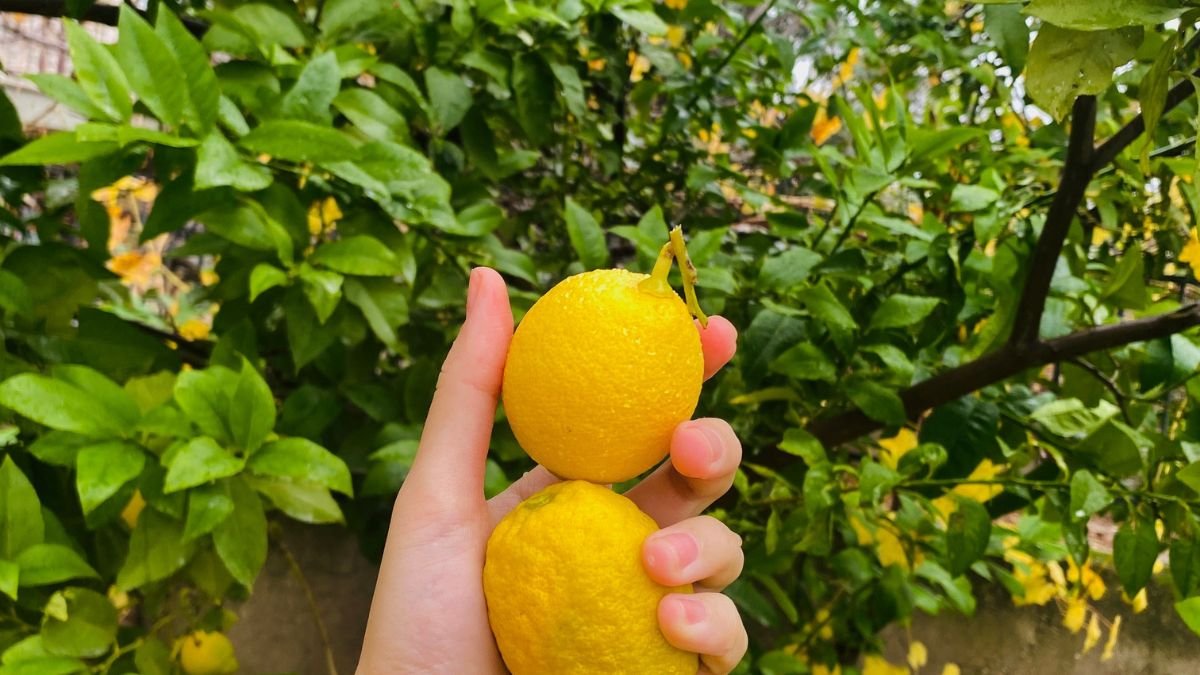
Lemons can stay on the tree for several weeks after they turn yellow, and the longer they hang, the sweeter they usually get.
Final Tips
Give your lemon tree plenty of sun, a pot that drains well, and water only when the top of the soil is dry. Feed it in the growing season, prune lightly, and protect it from cold. Do this and your tree will reward you with healthy leaves, fragrant flowers, and fresh lemons for years. Before winter arrives, read our garden winterizing checklist too.