
Hydrangea Care and Growing Guide
Sun, water, soil, pruning, color, pots and winter care, explained in plain steps.
Hydrangeas are one of the most beloved shrubs in the garden, yet they’re much easier to grow than you probably realized. Those beautiful blooms don’t require much work at all. In fact, proper hydrangea care is all about sun, water, pruning and a touch of winterization.
We’ll walk you through each one in this hydrangea care guide. You’ll learn how to care for hydrangeas in pots and in the ground, plus when to prune them and what to do about brown leaves. If you need help with more general gardening advice, check out our gardening tips for beginners.
Quick answer: Give hydrangeas morning sun with afternoon shade, about one inch of water a week, two to three inches of mulch, and prune at the right time for your type. Bigleaf and oakleaf types are pruned right after flowering. Panicle and smooth types are pruned in late winter.
Know Your Hydrangea Type Before You Care
While most hydrangeas have similar requirements, hydrangea pruning is very different depending on what variety you have.
Bigleaf
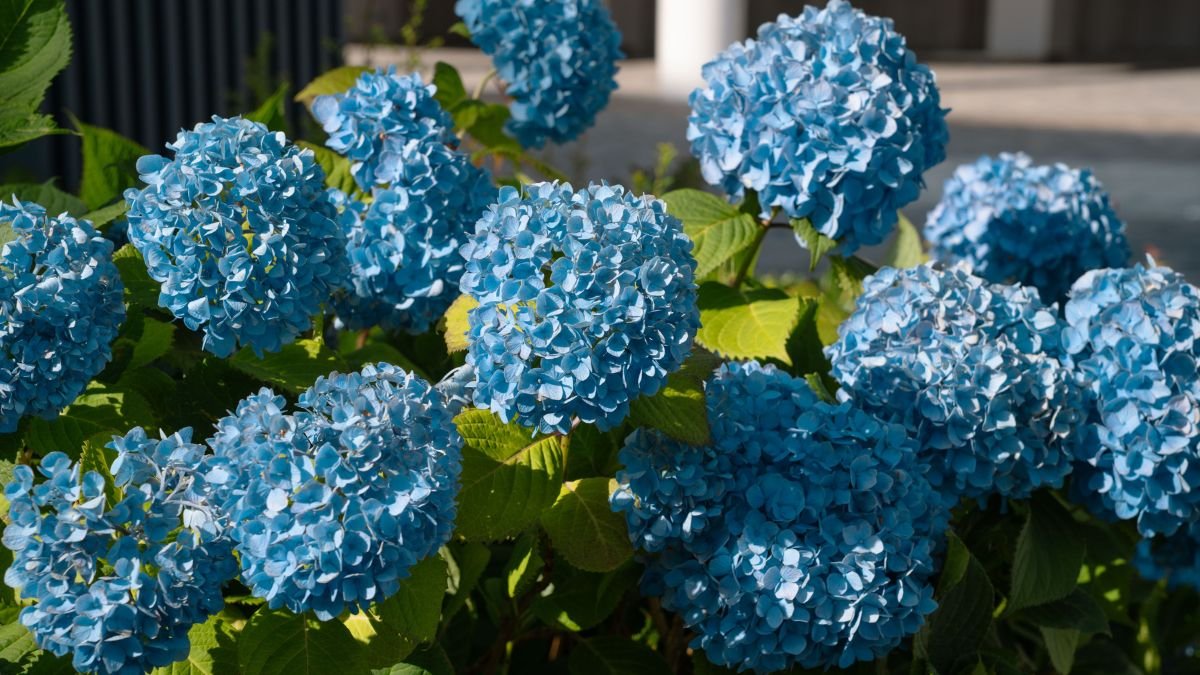
Mophead and lacecap types, including Endless Summer. Big rounded or flat blooms in blue, pink and purple.
Panicle
Limelight and Little Lime. Cone-shaped blooms, and they like a bit more sun.
Smooth
Annabelle. Large round white blooms, and very hardy.
Oakleaf
Leaves that look like oak leaves, with beautiful red fall color.
Climbing
Vine-like plants that cling to walls and fences.
If your hydrangea doesn’t have a tag on it, snap a picture of the leaves and flower and take it to your local nursery. They should be able to quickly identify it for you.
Do Hydrangeas Need Sun or Shade?
It’s rare to find a hydrangea that likes full sun. Most prefer morning sun and afternoon shade for those all-important four hours of gentle sunlight. Hydrangeas tend to scorch very easily in the hot summer sun, leaving the plant looking droopy and sad.
Panicle hydrangeas are one exception (they’re also one of the hardier hydrangeas) and will survive in full sun in cool summer climates, but they still appreciate the shade on a hot day. Too much shade and your hydrangea might be healthy, but it will produce few flowers. Try to find a happy medium, like the shade of your house’s eaves or a nearby tree that lets in dappled light.
What Kind of Soil Do Hydrangeas Like? How Do I Plant Them?
Hydrangeas like nice loose, fertile but well-draining soil that retains some moisture. Amending it with compost when you plant them is a great idea. If you’re unsure what you can put in your compost bin, check out our guide on what can you compost and what you can’t. Avoid soil with too much clay, as it retains too much moisture around the roots. But if you have heavy clay soil, we have some advice on how to amend clay soil as well.
The best time to plant hydrangeas is in early spring or in early fall, so the roots have time to settle in before the hot sun or the hard frost come to stay. Dig a hole twice as wide as the root ball and the same depth. Set your hydrangea plant in the hole so that the top of the root ball sits at the same level as the surrounding soil, then fill the hole in and give it a good drink of water.
Finish by putting two to three inches of mulch around the base of your plant, being careful not to mound it up against the stems. Check the tag on your hydrangea to see how far apart to plant them. Most hydrangeas need about three to six feet of space between each other, and larger varieties need more.
How Do I Water and Feed Hydrangeas?
The genus name for hydrangeas is taken from two Greek words meaning “water vessel,” so it’s no surprise that hydrangeas need an adequate amount of water. One inch of water per week is a good rule of thumb, and you’ll need to give them more during hot weather or during droughts. Stick your finger in the ground two inches and if it’s dry, give your plant a good drink.
The best time to water your hydrangeas is in the morning, giving the plant a good deep drink of water at the base. Water on the leaves at night can cause fungi to grow, so try to avoid doing that if you can help it. Hydrangeas are prone to wilting in the heat of the day, even if they’re well-watered. If your plant perks up in the evening, don’t worry. It’s probably just the heat getting to it. If it remains wilted the next morning, though, it needs more water.
Feeding hydrangeas is a simple matter of giving them slow-release fertilizer or a nice helping of compost when you plant them. Don’t go overboard, though. Too much nitrogen and your hydrangea will produce lots of pretty green leaves, but not many blooms. Avoid feeding after the end of summer, as late-season growth is especially vulnerable to frost.
When Should I Prune Hydrangeas (and How)?
Incorrect hydrangea pruning is the number one reason why people don’t get pretty blooms. The number one thing to know about hydrangea pruning is whether your plant blooms on old wood or new wood.
Old wood: bigleaf, oakleaf, climbing
Flower buds form on the previous year’s stems. Prune right after the faded flowers are gone in summer. Pruning in fall, winter or early spring cuts off the buds. If you must prune in spring, only snip off dead stems that are obvious once new leaves appear.
New wood: panicle, smooth
Flowers form on new stems, so you can prune in late winter or early spring, before the new leaves begin to grow.
Reblooming: Endless Summer
These bloom on both old and new wood, so a light pruning is all they need.
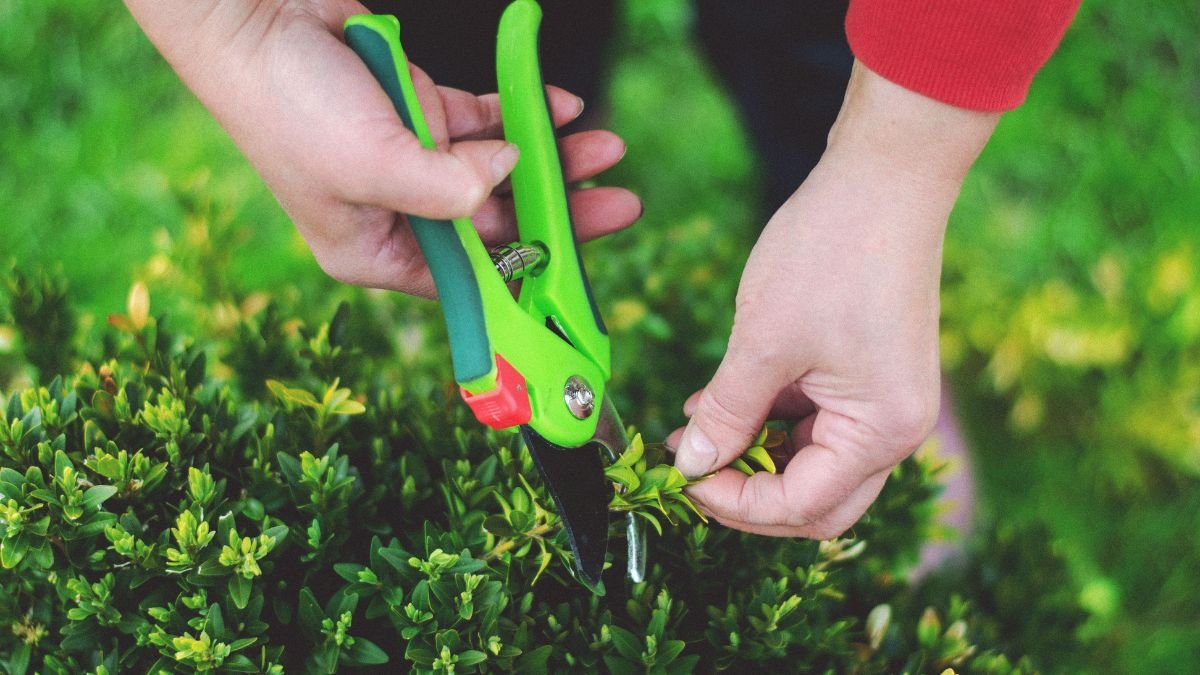
Once you understand the basics of when and how to prune hydrangeas, it’s a quick task that takes about an hour. Make sure to use clean, sharp pruners, and always remove any dead, diseased or crossing stems first. Next, cut off any old spent blooms back to the first pair of healthy buds. Avoid cutting the plant back completely to the ground, unless you have a smooth hydrangea, which can handle it.
How Do I Change the Color of My Hydrangeas?
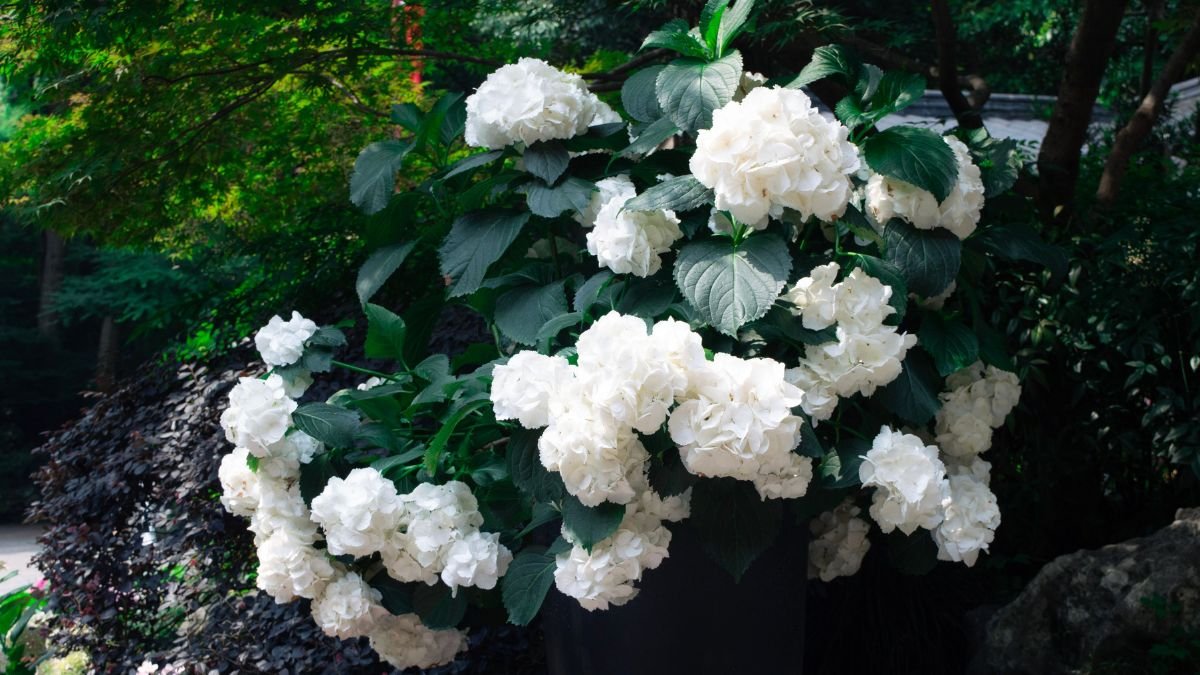
Bigleaf hydrangeas have blooms that shift from blue to pink, depending on whether the soil is acidic or alkaline. White hydrangeas don’t change color at all. Soil pH decides the color:
Blue blooms
Acidic soil, with a pH below 5.5.
Purple blooms
Anything in between acidic and alkaline.
Pink blooms
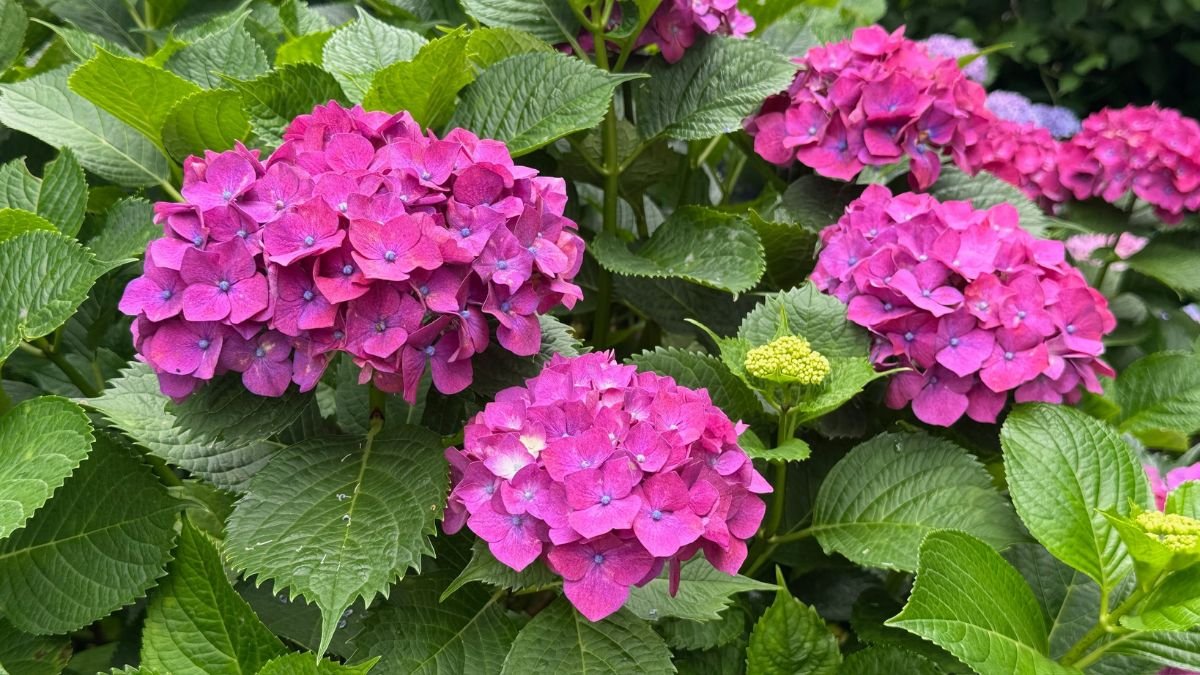
Neutral or alkaline soil, with a pH above 6.5.
Start by testing your soil. If you want more blue blooms, you’ll need to add aluminum sulfate to acidify it. Adding garden lime will make it more alkaline for pink blooms. Always follow the instructions on the package when you do either of these, as too much of either can damage your hydrangeas’ roots. Changing the pH is a slow process, and it can take up to a year for the change to show in your blooms.
Growing Hydrangeas in Pots
Potted hydrangeas make lovely additions to your patio or porch, but they require a bit more TLC. Make sure to get a large pot (at least 16 to 18 inches across) that has drainage holes, and stick to compact hydrangeas like Bobo or Little Lime. Fill it with good quality potting soil and plant your hydrangea at the same depth as it was in its nursery pot.
Potted hydrangeas dry out much more quickly than those planted in the ground. In the summer, you may find yourself having to water them every day. The best way to check if they need water is to stick your finger in the soil first thing in the morning. If it’s dry, water until water comes out of the drainage holes. Fertilize in the spring and repot every two to three years in a slightly larger pot. During a heatwave, move your potted hydrangeas to a shadier spot.
Hydrangea Care and Pruning in Winter
Hydrangeas have different winter care requirements depending on where you live. In milder climates, you won’t have to do much more than cover the root system with a thick layer of mulch. But in colder climates, bigleaf hydrangeas will have a harder time surviving the winter since their flower buds grow on the old wood. Make sure to cover their root systems with mulch or leaves, and wrap the hydrangeas in a loosely woven burlap if there’s a hard freeze coming. Our guide on how to protect plants from frost walks you through everything you’ll need to know.
Potted hydrangeas will need to be brought inside if you have particularly cold winters. An unheated garage or a spot against your house is good enough, as long as the temperature doesn’t dip below freezing. Water them just enough to keep the roots from drying out completely. For more information about getting your beds and pots ready for the cold, check out how to winterize your garden.
Why Are My Hydrangea Leaves Turning Brown? What Do I Do?
Hydrangeas tend to have few problems, and most of them are simple to fix.
Brown, crispy edges
A telltale sign of sun damage, dry soil or too much fertilizer. Move your plant to a shadier spot, water it very thoroughly and cut back on fertilizer.
Brown or purple spots
Typically a fungal leaf spot. Water your plant at the base, remove any affected leaves and increase air circulation around the plant.
White powdery coating
This is powdery mildew, a fungal infection. Improve air circulation and avoid getting water on the leaves.
Wilting, but the soil is wet
Poor drainage or overwatering can cause the roots to rot. Make sure water can’t pool around the roots, and let the top inch of soil dry out before watering again.
Lots of leaves, few flowers
Check your pruning schedule, frost damage to flower buds, too much shade and too much nitrogen fertilizer.
Tiny insects on new stems
Aphids and spider mites are common pests. A strong jet of water will typically remove them.
If pests keep coming back, our guides on how to get rid of aphids on plants and how to use neem oil on plants explain the next steps.
Final Thoughts
Hydrangea care isn’t complicated, now that you know what it needs to thrive. Simply give it a few hours of morning sun, proper water, a thick layer of mulch and the correct pruning at the right time of year for the variety you have. With this basic care, you’ll be rewarded with stunning blossoms year after year. Just start with one plant, learn to care for it and you’ll soon be a hydrangea grower!