
10 Easy Indoor Plants for Beginners You Can Care For Easily
You don’t need years of gardening experience to grow healthy houseplants. These easy indoor plants are simple options for beginners, with practical care guidance for light, watering, and everyday indoor conditions.
- 10 easy indoor plants for beginners
- How to choose the right plant for your home
- Common indoor plant mistakes to avoid
- How to check when your plant needs water
- What low light really means for houseplants
Adding plants to your home is one of the best ways to bring the outside in. But, with so many options, it can be difficult to decide what to buy when you are just beginning your journey into the world of houseplants.
The good news is, you don’t need to be an expert to grow beautiful houseplants. These 10 easy indoor plants are forgiving choices that can work well for beginners who are still learning how light, watering, and drainage affect plant health.
If you’re looking for ideas for indoor plants for beginners, here are 10 plants that fit the bill. For more general beginner gardening guidance, you can also read AvyloHome’s beginner gardening guide.
1. Snake Plant
A forgiving choice for beginners
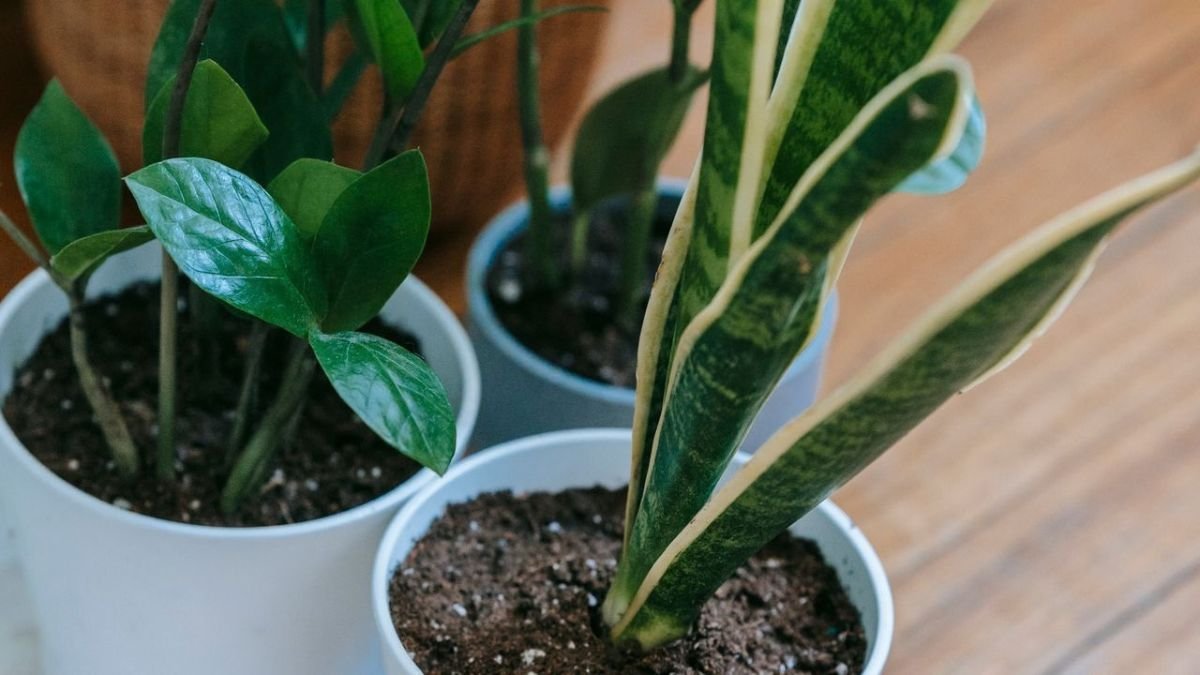
Snake plants are among the easiest houseplants for beginners because they are adaptable and do not need frequent watering.
One important point for new plant owners is to avoid keeping snake plant soil constantly wet. Good drainage and letting the soil dry between waterings are more important than following a rigid watering schedule.
Snake plants can tolerate lower light conditions, although they generally grow best with bright indirect light.
2. Pothos
Great for shelves and hanging planters
Another great beginner houseplant option is pothos. This trailing vine does well in a hanging planter or on a shelf where the vines have somewhere to cascade downwards.
Pothos can tolerate lower light, but brighter indirect light usually supports stronger growth and more vibrant foliage. Keep the roots from sitting in water because constantly wet conditions can contribute to root problems.
3. ZZ Plant
Low maintenance and forgiving
The ZZ plant is famous for being one of the easiest types of indoor plants to care for. Its strong stems and glossy green leaves make it an attractive choice for offices, bedrooms, and other indoor spaces.
ZZ plants can handle periods between waterings because they store water in thick underground rhizomes. Place the plant somewhere with indirect light and allow the soil to dry between waterings.
4. Spider Plant
Simple, fast-growing, and beginner-friendly
Spider plants have long, thin leaves that grow outward from the center of the plant. Many mature spider plants also produce small plantlets along their stems.
Spider plants grow in a range of indoor lighting conditions, but bright indirect light is generally best. Water when the top of the soil is dry, making sure excess water can drain away.
5. Peace Lily
A leafy plant with flowers
Peace lilies are beautiful houseplants with dark green leaves and distinctive flowers. They are a good option if you want to bring more greenery and color into an indoor space.
Peace lilies prefer indirect light and soil that stays lightly moist without becoming waterlogged. Their leaves may droop when the plant needs water, but checking the soil is still better than watering automatically on a fixed schedule.
Avoid placing a peace lily in harsh direct sunlight because strong rays can scorch its leaves.
6. Aloe Vera
A good option for people who overwater
Aloe vera is a useful beginner plant for people who prefer plants that do not need frequent watering. Like many succulents, aloe stores water in its thick leaves.
Place aloe vera in a bright location where it can receive plenty of light. Allow the soil to dry thoroughly between waterings.
One common mistake is watering aloe too often. Use a pot with drainage holes so excess water can escape instead of collecting around the roots.
7. Chinese Evergreen
Decorative foliage with simple care
Chinese evergreen plants are a favorite among houseplant enthusiasts because of their attractive leaves and relatively simple care requirements.
They can grow in a range of indoor lighting conditions, although brighter indirect light can support stronger growth and clearer leaf patterns. Water when the top layer of the soil has dried out rather than keeping the potting mix constantly damp.
8. Cast Iron Plant
Made for less-than-perfect indoor conditions
The cast iron plant has earned a reputation for being exceptionally hardy. While it grows fairly slowly, it can be an excellent low-maintenance houseplant for beginners.
The plant can tolerate lower-light conditions well. Water when the top of the soil is dry, and make sure the pot has drainage holes.
Because cast iron plants grow slowly, do not be surprised if they take time to settle into a new home.
9. Rubber Plant
A larger statement plant
Rubber plants can make beautiful large houseplants. Their broad, glossy leaves can create a strong focal point in a room.
Rubber plants do best in bright indirect light and should be watered when the top layer of soil has dried out.
They are a good choice for people who want a larger houseplant without a highly specialized care routine.
10. Heartleaf Philodendron
Ideal for shelves and hanging planters
Heartleaf philodendron is another popular houseplant option for beginners. Its heart-shaped leaves and trailing vines work especially well on shelves, plant stands, and hanging planters.
It generally does best in bright indirect light but can also tolerate lower-light conditions. Water when the top layer of soil has dried, and avoid overwatering, especially when drainage is poor.
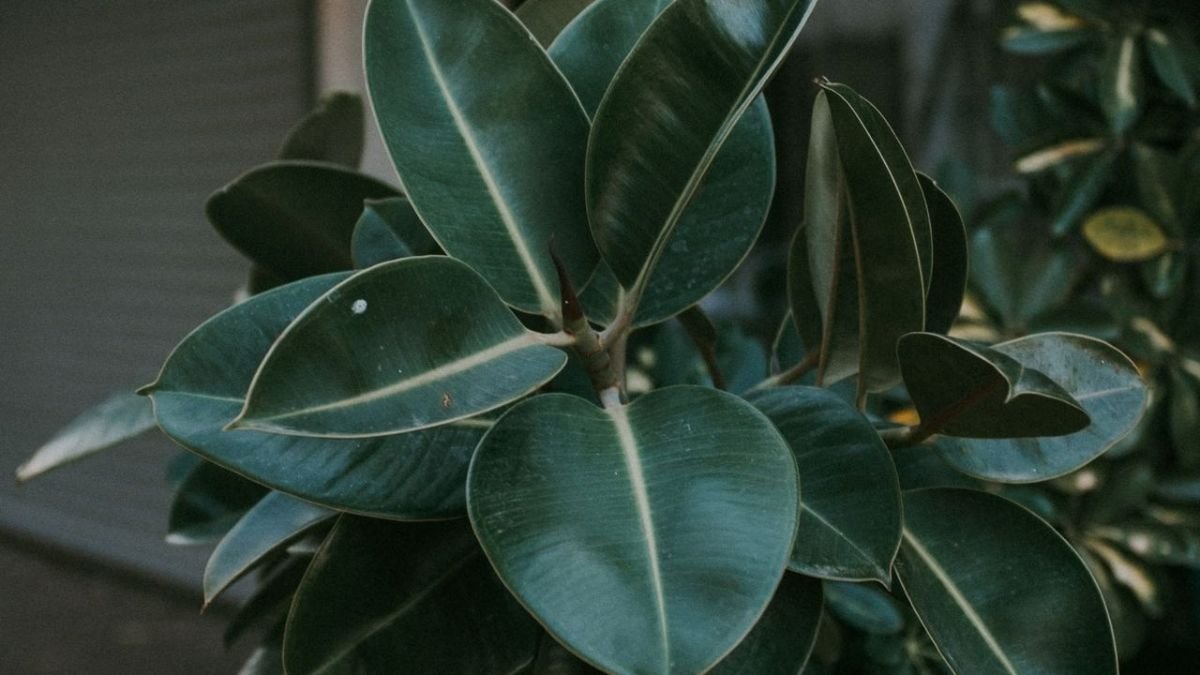
How to Find the Perfect Indoor Plant for Your Home
The easiest plants for you to care for will depend on the conditions in your home. Before shopping for indoor plants, consider three major factors: light, watering, and space.
If your home has low light, avoid plants that need lots of sunlight. Instead, consider easy-to-care-for choices that tolerate lower light well, such as snake plants, pothos, ZZ plants, Chinese evergreens, and cast iron plants.
If you have a room that gets a lot of sunlight, you have more options. Aloe vera and rubber plants are better suited to bright indoor locations.
Remember to think about how often you will realistically be able to water your plants. If you often forget, choose low-maintenance indoor plants that prefer drier soil instead of plants that need consistently moist conditions.
Finally, consider mature size. Small plants are useful for desks and shelves, while large houseplants can become a centerpiece in a living room.
Indoor Plant Mistakes Beginners Should Avoid
The most common beginner mistakes come from ignoring basic plant-care needs. Fortunately, most of them are easy to avoid.
One of the biggest mistakes beginners make is overwatering their houseplants. New plant owners may think more water means faster growth, but constantly wet soil can deprive roots of the air they need and lead to root problems.
Another common mistake is buying the wrong plant for the available light. A plant that needs brighter indirect light will not suddenly become healthy in a dark corner just because it is watered more often.
Avoid using pots that do not have drainage holes, especially for plants that prefer to dry out between waterings.
Finally, avoid moving plants around too often. Once you have found a suitable location, give the plant time to adjust before making another major change.
If you notice yellowing leaves outdoors or on other garden plants, our guide to why rose leaves turn yellow explains how leaf discoloration can have different causes.
Do not forget that indoor plants grow at different rates. Some can grow quickly while others may barely change for months.
How Often Should I Water My Indoor Plants?
Every plant has slightly different needs when it comes to watering. There is no single schedule that works for every houseplant because light, temperature, pot size, soil, humidity, and plant type all affect how quickly the soil dries.
As a practical starting point, check the soil before watering instead of following the clock. For many houseplants, testing the upper part of the soil with your finger can tell you whether it has started to dry.
Some plants, like aloe vera and ZZ plants, generally prefer the soil to dry more thoroughly between waterings, while others, like peace lilies, prefer more consistent moisture.
The most important thing is not to water as often as possible. Water according to what the individual plant actually needs, and make sure excess water can drain away.
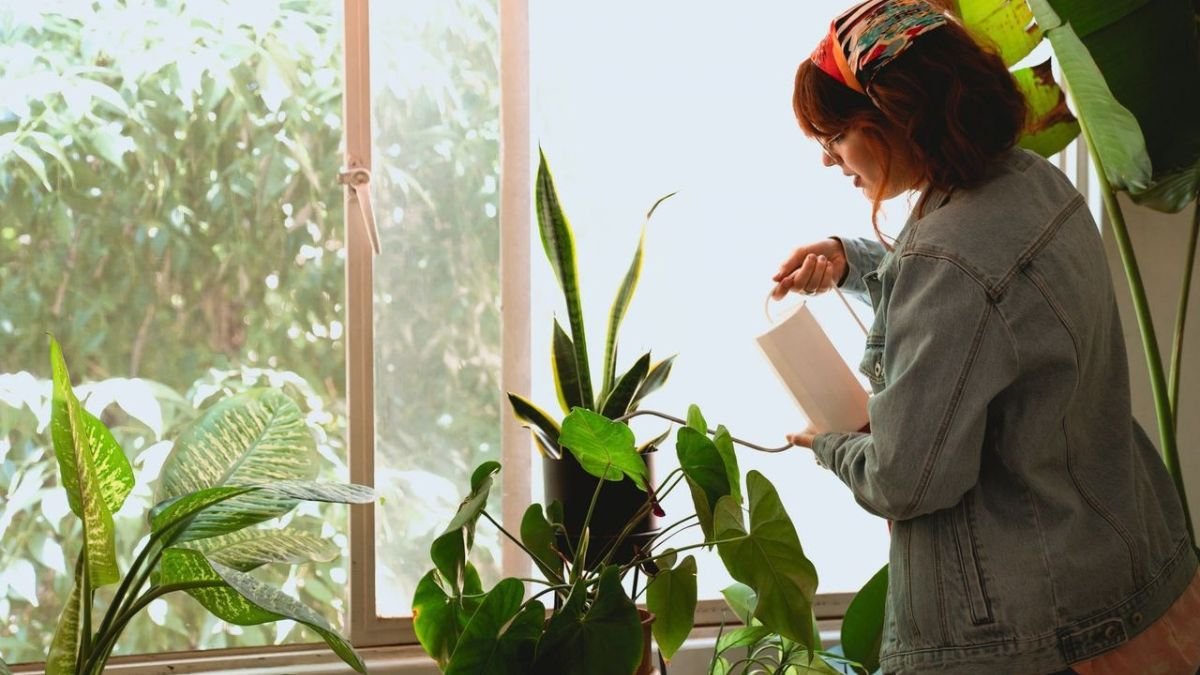
Practical watering guidance for checking soil and caring for indoor plants.
Can I Grow Indoor Plants in Low Light?
Yes, you can grow some indoor plants in low light, but low light does not mean complete darkness.
If you have a room with a window but not much direct sunlight, there are still many plants that can do well in the available indirect light. Snake plants, pothos, ZZ plants, Chinese evergreen, and cast iron plants are among the commonly used lower-light options.
Plants still need light for photosynthesis and growth. A completely dark room is not a suitable growing environment for most houseplants. When natural light is very limited, an appropriate grow light can supplement the available light.
A visual guide to choosing and positioning houseplants for lower-light rooms.
Quick beginner check
- Match the plant to the light you actually have.
- Check the soil before watering.
- Use pots with drainage holes.
- Give newly placed plants time to adjust.
- Start with one or two easy indoor plants and learn their routine.
Common Questions About Easy Indoor Plants
What are the easiest indoor plants for beginners?
Snake plants, pothos, ZZ plants, spider plants, aloe vera, Chinese evergreen, cast iron plants, and heartleaf philodendron are popular beginner-friendly options because their basic care needs are relatively straightforward.
How do I know when an indoor plant needs water?
Check the soil rather than watering on a fixed schedule. If the upper soil has dried to the level appropriate for that plant, it may be time to water. Plants vary, so always consider the specific plant’s moisture needs.
Can easy indoor plants survive in low light?
Some can tolerate lower light, including snake plants, pothos, ZZ plants, Chinese evergreen, and cast iron plants. However, low light is still different from a room with no usable light at all.
Do indoor plants need drainage holes?
For most houseplants, drainage holes are a practical way to let excess water escape and reduce the risk of waterlogged soil.
Final Thoughts
You do not have to have a green thumb in order to successfully grow houseplants. Easy indoor plants are a great way to get started with indoor gardening while you learn how light, water, soil, and drainage affect plant health.
Snake plants, pothos, ZZ plants, spider plants, peace lilies, aloe vera, Chinese evergreen, cast iron plants, rubber plants, and heartleaf philodendrons all offer different shapes and care needs, so there is more than one good option for a beginner.
The best plant is not necessarily the most popular plant. It is the plant that fits the conditions of your home and the amount of care you can realistically provide. Start with one or two plants, learn their needs, and expand your collection as you become more confident.