
A simple, beginner-friendly guide to mixing, spraying and using neem oil safely on houseplants, vegetables, roses and herbs.
Neem oil is one of the most popular natural sprays in the garden, and for good reason. It helps to control many common plant pests and can also help to slow down fungal problems like powdery mildew. However, many beginners misuse it. They mix it too strong, spray in the hot sun, or forget the soap, and the leaves burn.
To learn how to use neem oil on plants the right way, we’ve laid out all of the details in this article, from the mixing ratio to the frequency of use, to the pests it works on and the safety tips. Whether you have houseplants, tomatoes, roses or your herbs, you will find the answers you need below.
Quick answerMix 1 teaspoon of neem oil and ½ teaspoon of mild liquid soap into 1 liter of warm water. Spray the tops and undersides of the leaves in the early morning or late afternoon, and repeat once a week until the pests are gone.
What Is Neem Oil and How Does It Work?
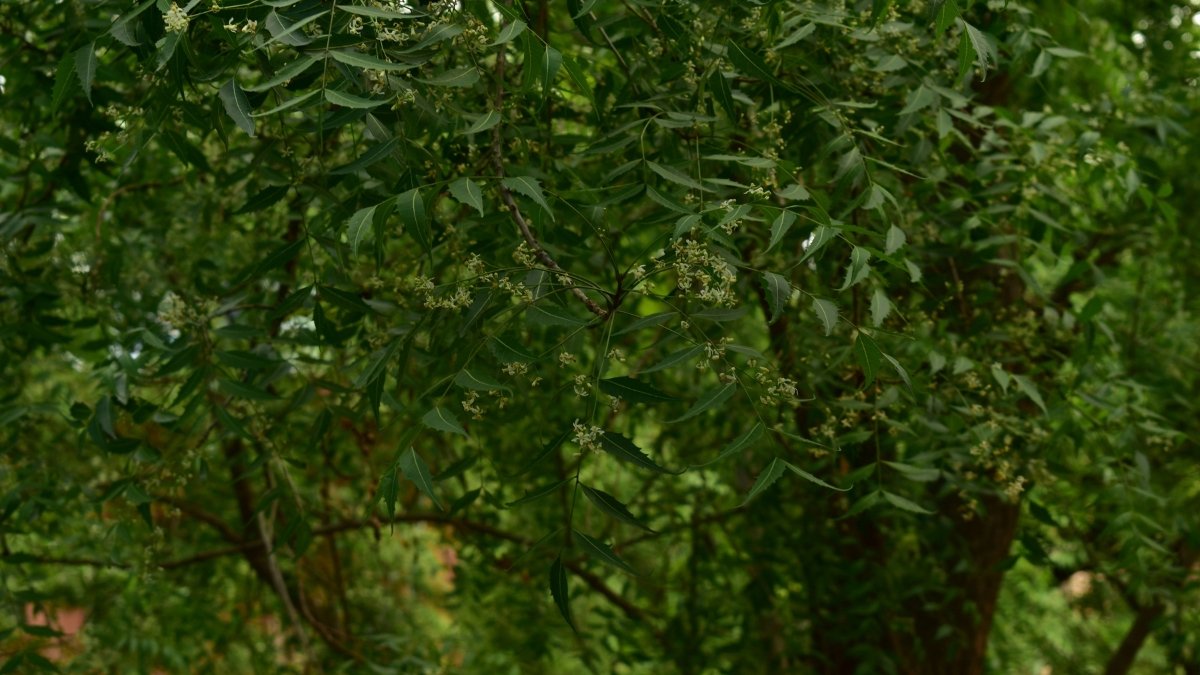
Neem oil comes from the seeds of the neem tree, which grows in India and other warm parts of the world. Gardeners use it as a form of pest and disease control that is gentler than many commercial chemicals.
This natural oil contains many compounds, and one of the most important is azadirachtin. Neem oil works in a few different ways. It can coat small soft-bodied insects and suffocate them. The oil can also make leaves unappealing to pests, so they stop eating. Finally, it can interfere with the normal growth of young insects, which keeps them from becoming full-grown. Unlike some chemical sprays, neem oil is not an instant killer. It usually takes a few days to work, so repeat sprays matter. The oil works best on young pests and soft-bodied insects, and it is much less effective on tough adult beetles. Like any form of control, it is not a miracle cure. You will get the best results if you spray early in an infestation.
What You Need Before You Start
A few things to have ready before mixing anything.
You will usually find two types of neem oil in the shops. Cold-pressed neem oil is the raw oil from the seeds. It has a thick texture and a strong garlic scent, and it contains the powerful compound azadirachtin. Clarified neem oil no longer contains that compound, so people mostly use it to smother insects and control fungus. Shops often sell it as a ready-to-spray bottle. Both types can work, but always follow the directions on your bottle’s label, since the strength varies greatly from product to product.
The oil and water will not mix, so a small amount of soap helps to suspend the oil in solution. Use a mild castile soap or dish liquid, and avoid using any bleach, degreaser or antibacterial liquid as these can be harmful to leaves.
Warm water (not hot) will help to dissolve the oil. Keep one spray bottle dedicated to garden sprays.
Neem Oil Spray Recipe and Mixing Ratio
Here’s a simple neem oil spray recipe that is mild enough for most plants. It is always safer to start with a milder solution, as a more potent mix can often do more harm than good.
Small batch (1 liter or about 1 quart)
- 1 liter (about 1 quart) of warm water
- 1 teaspoon of neem oil
- ½ teaspoon of mild liquid soap
Large batch (1 gallon or about 4 liters)
- 1 gallon (about 4 liters) of warm water
- 4 teaspoons of neem oil
- 2 teaspoons of mild liquid soap
If you have a concentrated neem oil or ready-to-spray product, use the instructions on the label. Use ready-to-spray products as they are, with no extra water.
How to mix it
Put the warm water in your bottle or jug.
Add the soap and then the oil.
Close the bottle and shake well until the water turns milky and the oil mixes in thoroughly.
You will need to continuously shake the bottle every few minutes while spraying, since the oil tends to rise to the top of the solution. Use the entire mixture within about 8 hours, as mixed neem oil loses potency rapidly. Always make up a fresh mixture every time you need to spray.

How to Use Neem Oil on Plants, Step by Step
Now that you have your neem oil spray ready, here’s how to use it for the best results.
Before You Spray
A patch test is vital and especially important with seedlings and any plants with delicate, fuzzy or tender leaves. Give a few sprays of your solution to a few leaves and wait 24-48 hours. If you do not see any spots, yellowing or curling of the leaves, the plant is safe to spray. This is especially important for houseplants and seedlings.
Choose the right time to spray. Try to pick a cool, dry and still day to avoid leaf burn. Avoid spraying on very hot days, and do not spray when there is a risk of rain in the next few hours.
Move or protect nearby plants. If a vulnerable plant is outdoors and suffers from drought or heat stress, water it first and wait until it recovers before spraying.
While You Spray
Make sure to spray all parts of the plant! Focus on the tops and the undersides of the leaves and also on any stems or places where leaves meet the stem. Most pests love to congregate on the undersides of leaves, so it is important not to miss them. Spray until the leaves are wet, but before the liquid starts running off in large beads.
Treat the soil if needed. To control fungus gnats, some gardeners also water the top of potted plants with a diluted neem oil solution when the larvae are present. Let the top of the soil dry out between waterings, as gnats love moist soil.
After You Spray
Let it dry. Keep children and pets away from the plant until the leaves are completely dry.
Repeat sprays as needed. One spray is rarely enough. Please see the next section.

How Often to Spray Neem Oil
To treat an infestation, spray once every 7 days for about 3-4 weeks. Pest eggs continue to hatch and a single spray will not be effective against new insects. Some pests like spider mites have very quick life-cycles and some gardeners like to spray every 5-7 days.
As a preventive measure, you can spray once every 2-3 weeks during the growing season when pests are most prevalent.
Avoid daily sprays. Too much oil can clog the small pores on leaves and can actually stress the plant. If you have done 3 sprays and there is no improvement, it could be a sign of another problem, or the treatment is simply not right for your problem. Stop spraying once the infestation is gone.
Best Time to Spray Neem Oil
The best time to spray neem oil on plants is in the early morning or late afternoon, when temperatures are cooler and the sun is not as strong. Oil that sits on wet leaves in hot sunlight can often scorch them and is the main reason people say neem oil “burned” their plants.
Late afternoon has one additional benefit. Many flowers have closed and bees are less active so there is less risk of harming beneficial insects. Just do not leave the leaves wet overnight, because that can encourage fungal growth. Also avoid spraying on windy days, as the mist will not fall gently on the plants.
Which Pests Does Neem Oil Kill?
You can use neem oil against many common pests, both in the garden and on houseplants. It is especially useful against soft-bodied insects.
Common Soft-Bodied Pests
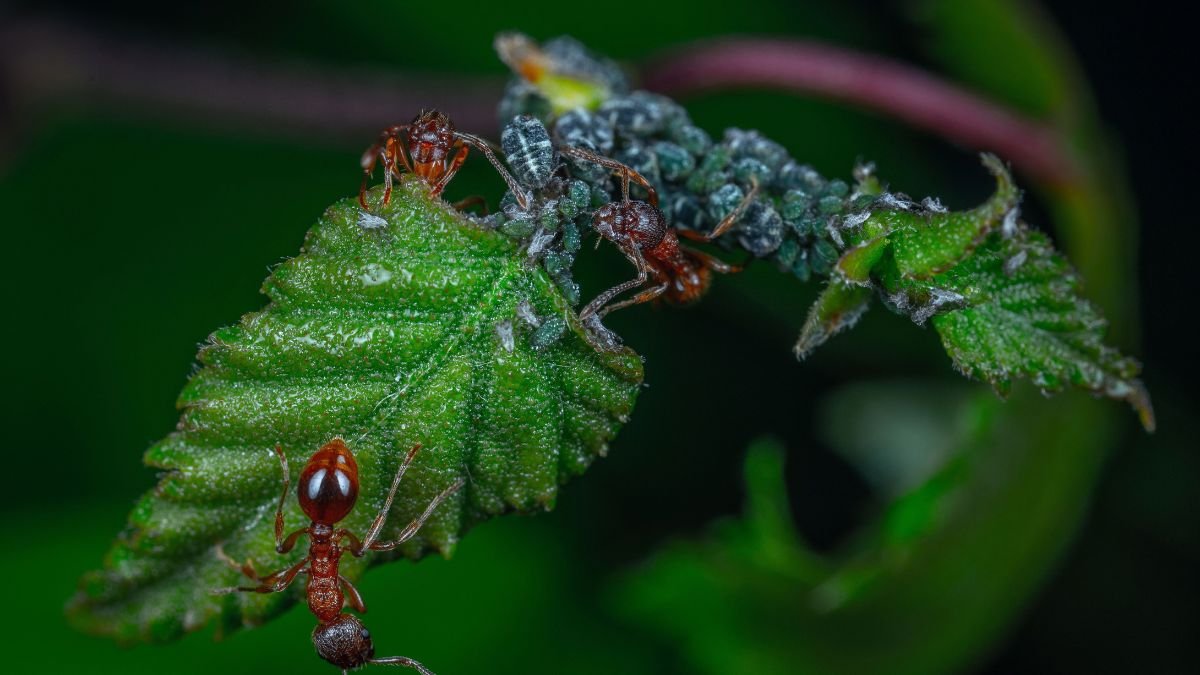
These small insects love to gather on new leaves and shoots and suck the sap from your plants. Neem oil is very effective on aphids, both when you spray them directly and over the following days. Repeat sprays are important. For more information on treating aphids and other problems, please see our guide on how to get rid of aphids on plants.
These tiny pests spin webs on the undersides of leaves and cause small pale spots where they have fed. Neem oil can be effective when you spray the undersides of the leaves every 5-7 days.
Neem oil can help to reduce both of these pests. It works even better on mealybugs when you wipe away the visible cottony clusters first.
Neem oil is most effective against the crawling juvenile stage of scale insects. Treating houseplants with neem oil can also help with thrips infestations.
Soil Pests and What Neem Oil Cannot Do
Neem oil can be effective against fungus gnat larvae in the soil. Yellow sticky traps help catch the adult gnats that are flying around.
Neem oil is not as effective against larger pests such as adult beetles, snails or slugs. It also does not kill instantly in most cases, so be patient.
Does Neem Oil Work on Plant Diseases?
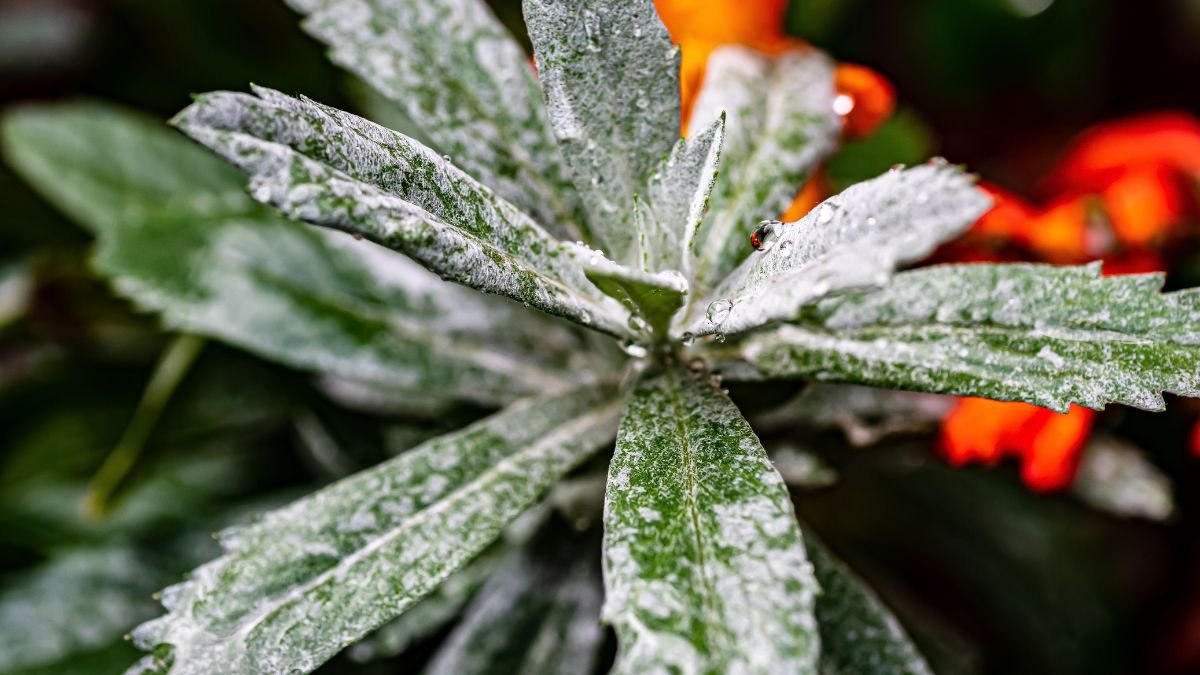
You can use neem oil as a preventive measure or early treatment for many fungal diseases like powdery mildew, black spot and rust. The key words here are “preventive” and “early”. If your plants already have a severe infection, neem oil will not be a cure.
Prune off the worst infected leaves and dispose of them in the trash, not the compost heap, and treat the remaining leaves and any new growth with neem oil. Good airflow, smart watering and spacing between plants are also vital in treating and preventing fungal diseases. Neem oil will not cure a severe infection.
Using Neem Oil on Specific Plants
Houseplants
Neem oil is a popular choice for treating mites, mealybugs or gnats on houseplants. It is best to spray in a sink, shower or outside if possible, to avoid the oily mixture dripping onto floors. Keep the plant out of direct sunlight for at least a day and keep pets away until it is dry. The strong garlic scent will dissipate within a few hours. If you are just starting out with houseplants, our list of easy indoor plants for beginners is a good place to start.
Tomatoes and vegetables
You can use neem oil on tomato plants, as well as many other vegetables. Avoid spraying any open flowers, as this can prevent fruit from forming. Check the directions on your chosen product, as some will specify a waiting period before harvest, and always make sure to wash any vegetables before eating. A good plant layout is also important in reducing pests and diseases in your vegetable garden.
Roses
Roses often suffer from aphid and black spot infestations, both of which neem oil can be effective against. Make sure to treat new growth and the undersides of leaves. If your rose leaves are looking unhealthy and you are unsure why, please read our guide on why rose leaves turn yellow before using neem oil, as yellow leaves can have many causes.
Herbs
You can use neem oil on herbs, but keep the solution diluted because you will eat the leaves. You could try a stronger spray of just water to knock down any pests first. If using neem oil, it is best to use a mild solution and spray early in the day. Always wash leaves well before using in food. This is especially important for herbs that are eaten raw, such as basil. If you are growing your herbs in pots, our guide on growing herbs in containers has lots of useful information.

Is Neem Oil Safe?
Neem oil is a lower-risk option than many chemical pesticides, but “natural” doesn’t always mean “safe”. Here are some of the things to consider.
Diluted neem oil is generally safe for the majority of plants. That is why a patch test is important.
Neem oil is generally less harmful to helpful insects like ladybirds and lacewings than chemical sprays, but it can still harm them if sprayed directly. Always avoid spraying open flowers and if possible, avoid spraying in daylight hours.
Keep away dogs and cats from sprayed plants until leaves are dry, and do not allow them to chew or lick treated leaves. Ingesting a large amount of neem oil can cause an upset stomach in pets. Always contact your vet if your pet ingests a significant amount of neem oil.
It is best to wear gloves when spraying neem oil, avoid getting it in your eyes and always wash your hands afterwards. Always store the bottle of neem oil out of the reach of children. This guide only relates to using neem oil on plants.
Do not use neem oil near ponds, streams or drains, as it can harm aquatic life.
Can Neem Oil Burn Plants?
Unfortunately yes. Leaf burn from neem oil can often look like brown or yellow spots, scorched edges and crispy patches. The main reasons for leaf scorch are:
- Too strong of a mix
- Spraying in bright sunlight or hot weather
- Stressed or drought-stricken plants
- Using a soap with lots of harsh additives
- Sensitive plants and failure to do a patch test
If you notice any leaf burn, gently rinse the leaves with water, move the plant to a shady area and wait before doing any further spraying. In future, use a less concentrated mix and spray in cooler conditions. Most plants will recover and new leaves will grow.
Neem Oil vs Insecticidal Soap
Both neem oil and insecticidal soap are popular, but they have some important differences.
Insecticidal soap kills soft-bodied pests like aphids on contact, but it offers no protection once it has dried. Neem oil is similar in that it kills pests on contact, but it continues to work for a few days afterwards by interfering with their feeding and growth patterns. Neem oil can also be effective against fungal diseases, unlike insecticidal soap. Neither product is a guaranteed miracle cure, but they both have their advantages. If you need a quick knock-down of aphids, insecticidal soap is a good choice. If you are dealing with more persistent pests or fungal problems, neem oil can offer longer-lasting protection. Many gardeners use both products, alternating between them every few weeks. Never mix them together or combine them with any other products unless the label says it is safe.
Common Mistakes to Avoid
- Spraying neem oil in hot, bright sun
- Making a too-strong mixture
- Forgetting to add soap, resulting in oily streaks that can burn leaves
- Failing to spray the undersides of leaves
- Using a mixture you made yesterday
- Not shaking the bottle while spraying
- Spraying open flowers where bees visit
- Spraying every day instead of once a week
- Not doing a patch test
How to Store Neem Oil (Does It Expire?)
Store pure neem oil in a tightly sealed bottle in a cool, dark place. If you store it correctly, it will usually last for about one to two years. In cool conditions, neem oil can sometimes go cloudy or even solid. This is quite common and nothing to worry about. Place the bottle in a bowl of warm water for a few minutes and shake it up, and it should return to liquid form. If the oil has gone a different color or smells strongly of something other than the characteristic strong garlic scent, it is best to err on the side of caution and throw it away.
Never store a mixed solution. Always make up a fresh batch of neem oil spray at the time of use.
Frequently Asked Questions
Neem oil can smother some small insects on contact, but it generally takes a few days to really take effect, so it is important to repeat sprays and follow the instructions on the bottle.
Do not skip the soap, as the oil and water will not mix and you will end up with lots of oily streaks that can burn the leaves of your plants.
Do not spray neem oil in bright sunlight, to avoid leaf scorch. Spray in the early morning or late afternoon when the sun is lower in the sky.
Neem oil is generally safe for most plants when diluted, but it is always a good idea to do a patch test first. Some plants are more sensitive than others, especially seedlings and plants with delicate leaves.
Do not mix neem oil with any other products unless the label specifically says it is compatible.
Keep spraying once a week until the pests are gone, which is usually 3-4 weeks. Then you can stop or spray every few weeks to help prevent new infestations.
Final Thoughts
Neem oil is a versatile and beginner-friendly tool when used correctly. It is important to remember to mix it with warm water at a safe dilution ratio, always add a little soap to help it mix, do a patch test on one or two leaves first, spray it in a cool part of the day and repeat every 7 days until the problem is gone. Pair it with other good gardening practices like proper spacing, watering and frequent inspection, and you will find you rarely need to spray at all. If you are new to growing plants, our gardening tips for beginners has lots of helpful information to get you started.