
How to Get Rid of Clover in Lawn: Safe Methods That Work
Clover is one of the most widespread lawn weeds, and almost every yard owner meets it sooner or later. One day your lawn looks clean and even. A few weeks later, small round leaves and white flowers spread through your well-kept grass. If you want to know how to get rid of clover in lawn safely and for good, you are in the right place.
This guide covers every method, from hand pulling to selective weed killers. It also explains why clover appears, so you can stop it from coming back.
The best way to get rid of clover in lawn is to combine three steps: remove the existing clover, feed your lawn with nitrogen, and mow at the right height. Fall is the best season to treat clover, because plants send energy down to their roots then. Spring works well too.
Why Is Clover Invading My Lawn?
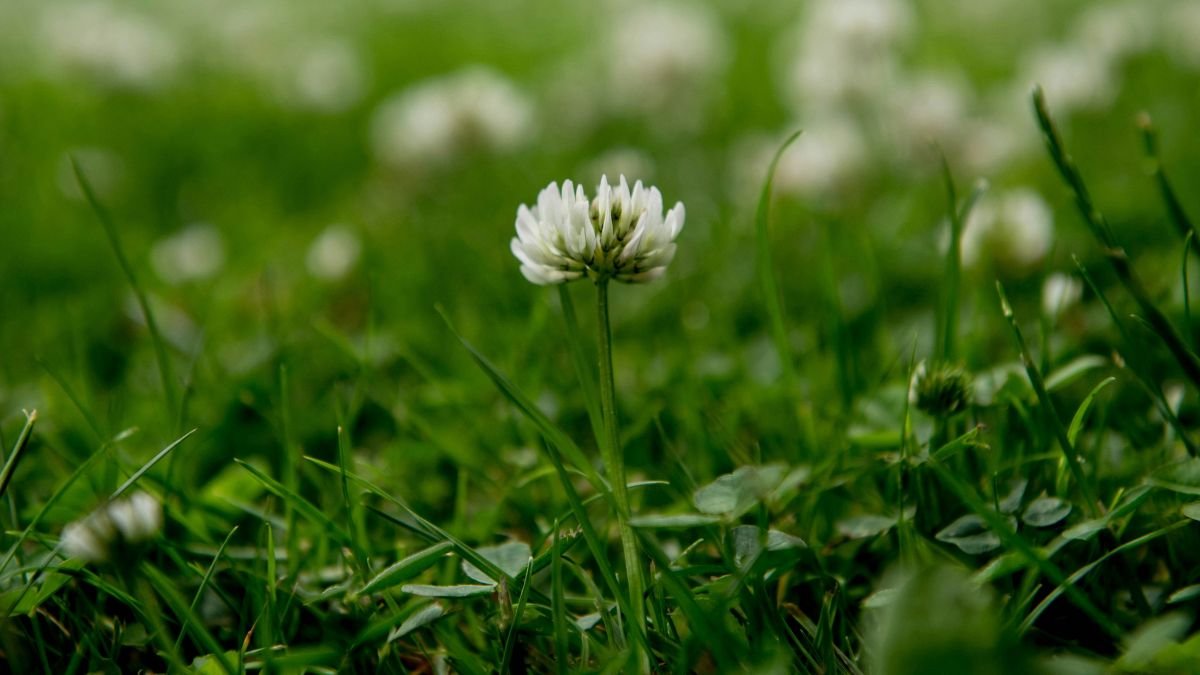
Before you start the battle, it helps to understand why clover showed up. Clover rarely appears without a reason, and the cause usually sits in your soil. Clover belongs to the legume family. Its roots carry small nodules that pull nitrogen from the air, so the plant feeds itself. Grass cannot do that. When the soil runs low on nitrogen, the grass weakens and clover takes over. Other causes include:
- Compacted soil. Hard, packed ground slows grass roots, but white clover handles it well.
- Mowing too low. Very short grass is stressed and lets sunlight reach clover seeds on the soil.
- Bare or thin spots. Drought, pets, and foot traffic leave open soil where clover seeds sprout easily.
So clover rarely invades a well-cared lawn. If you do not fertilize or aerate regularly, or you mow your grass too low, clover is far more likely to show up.
Is Clover Really That Bad for My Lawn?
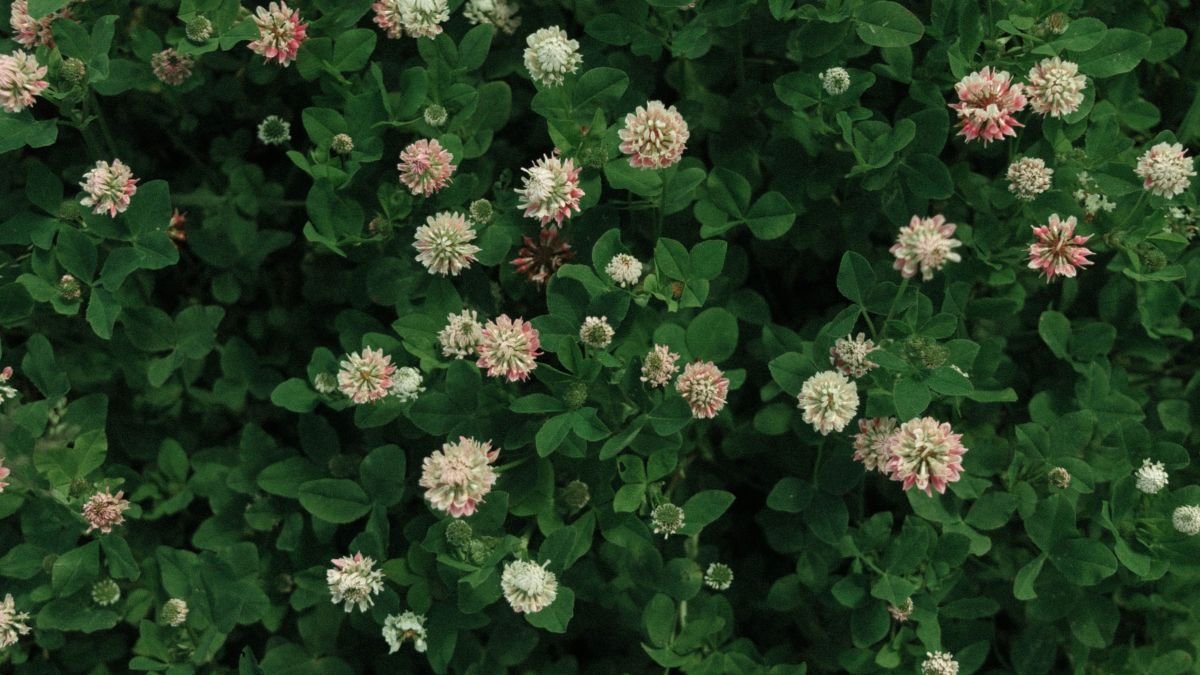
Before you try to remove it, know that clover is not as terrible as it may look. Many gardeners even plant it on purpose. Here is a fair look at both sides.
- Needs very little maintenance and covers the ground well
- Adds nitrogen to the soil, which helps nearby grass
- Stays green during dry weather
- Needs less frequent mowing
- Flowers attract bees
- Grows in patches that look different from the grass
- Spreads fast and can take over the lawn
- Bees in the flowers can bother kids and pets
- Leaves green stains on clothes and gets slippery when wet
- Does not handle heavy foot traffic well
If you like the look of clover and can live with its flaws, you can let it stay. If you want a classic, even lawn, the methods below will help. There is also a middle path. Micro clover is a small variety that blends into grass much better than regular white clover, so it suits a mixed lawn without the patchy look.
Method 1: Hand Pulling
Hand pulling is the safest method, because it needs no chemicals. It is also a good choice for pet owners, since there are no sprays or smells. It works best for small patches, although it takes patience.
Pick a cloudy day, or water the lawn first so the soil is moist. Clover has creeping stems that root as they spread, so do not just pull the leaves. Loosen the soil with a weeding tool or hand fork, then gently pull the whole plant out, roots included. Shake off the dirt and drop the clover into a bin.
Fill each hole with a little topsoil and grass seed right away. Bare soil invites new clover and other weeds. Hand pulling also works better when you repeat it, because young clover shoots are easy to remove.
Method 2: Feed Your Lawn With Nitrogen
Clover grows best where nitrogen is low, so feeding your lawn is one of the smartest long-term fixes. It also answers the common question of how to get rid of clover in lawn without killing grass. A well-fed lawn grows thick, and thick grass leaves little room for weeds.
Choose a lawn fertilizer with enough nitrogen, which is the first number on the bag. Fall is the best time to feed cool-season grasses, and a second round in spring keeps growth steady. Follow the bag directions for the amount, because too much fertilizer can burn the grass.
A soil test helps you avoid guessing. You can use a home kit or take a sample to a local garden center. Most lawn grasses prefer a soil pH between 6.0 and 7.0.
If you prefer an organic option, spread a thin layer of finished compost over the lawn. It improves soil structure and feeds the grass slowly. Not sure what makes good compost? Read our guide on what can you compost.
Feeding alone will not kill the clover you already have. It makes your grass dense enough to resist new invasions, so pair it with the other methods here.
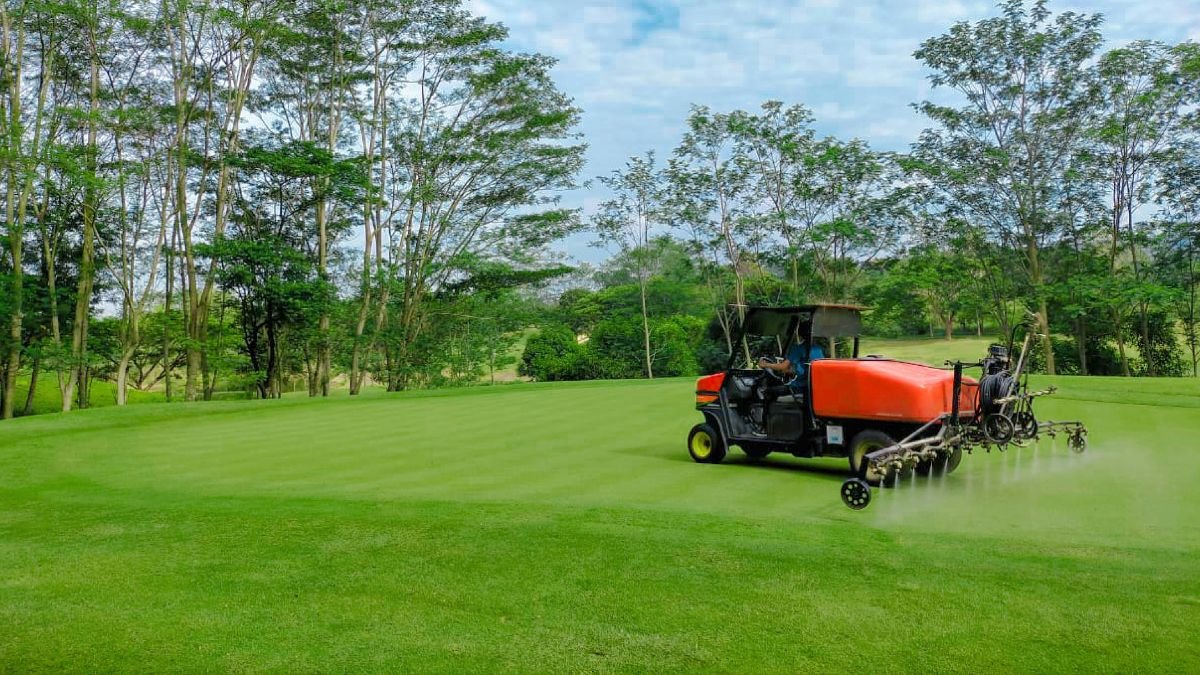
Method 3: Smother Clover Patches
Smothering kills clover without chemicals. It is cheap and simple, but it takes time. The idea is to block the light, because clover cannot live without it.
Cover the patch with black plastic, a tarp, or a thick layer of cardboard. Hold the edges down with rocks or pins so the wind cannot lift them. In warm weather, the clover underneath dies in about four to eight weeks.
Keep in mind that the grass under the cover dies too. After you remove the cover, rake the area, loosen the top layer of soil, and sow fresh grass seed. Smothering suits small and medium patches. For a whole lawn, it needs too much material and effort.
Method 4: Natural Sprays and Spot Treatment
Many people search for how to get rid of clover in lawn naturally. Honestly, no home remedy is perfect, but these are the ones people try:
- Vinegar. It burns clover leaves, but it also burns the grass around them, and clover often regrows from the roots. Household vinegar is weak. Horticultural vinegar works better, but it can irritate skin and eyes, so wear gloves and goggles. Spot-treat only, on a calm, cloudy day.
- Corn gluten meal. It works as a natural pre-emergent, which means it helps stop new weed seeds from sprouting. It will not kill mature clover, and it can also stop your grass seed from sprouting, so do not use it right before overseeding.
- Boiling water. You can pour it on a small patch, but it also scalds nearby grass and plants.
Natural sprays work best on young clover and small spots. For a bigger problem, you will likely need a selective herbicide, which we cover next.
Method 5: Use a Selective Herbicide
If clover covers a large part of your lawn, a selective broadleaf herbicide is the fastest and most reliable option. These products kill broadleaf weeds like clover but leave most lawn grasses unharmed. That makes them the best answer to how to kill clover in lawn without damaging the grass.
When you look for the best weed killer for clover, check the label for active ingredients such as 2,4-D, MCPP (mecoprop), dicamba, or triclopyr. Products that combine two or three of these are usually the most effective. Clover is a tough weed, so pick a product that lists clover on its label. Triclopyr products also work well on white clover.
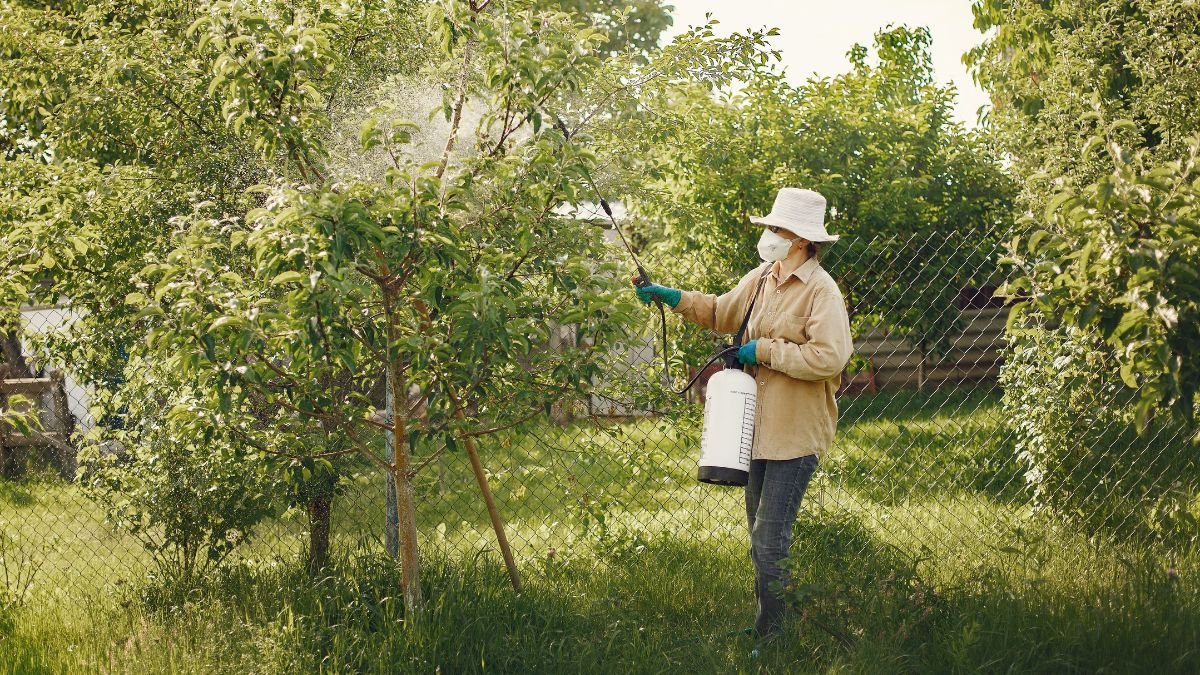
Read the label carefully before you spray. It tells you which grass types are safe, the right temperature, and how long pets and children must stay off the lawn. Avoid spraying in extreme heat, usually above 85°F (29°C), because it stresses your grass. Skip windy days too, so the spray does not drift onto flower beds, vegetable plants, or a neighbor’s yard. A calm morning with no rain expected for 24 hours is ideal.
You may need a second treatment a few weeks later, depending on how bad the infestation is. Never mix two products or add extra, because more is not better and can harm your lawn. If you are unsure about your grass type, ask at a garden center before you buy.
When Is the Best Time to Get Rid of Clover?
Timing matters a lot. Fall is the best season to treat clover, especially September and October. In fall, plants store energy in their roots to prepare for winter, so a herbicide travels down and kills the whole plant. Temperatures are also mild, which is gentler on your grass.
Spring is the second-best choice. Treat clover while it is actively growing, ideally before it flowers and spreads seed. Avoid hot summer days, because the heat stresses your grass and the plants take in less product. Do not treat when the ground is frozen or very dry, because the plants are dormant and cannot absorb the treatment.
What to Do After You Get Rid of Clover
Once the clover dies, you will usually see thin or bare patches. Do not leave them empty, because open soil is an invitation for new weeds. This step matters as much as removing the clover itself.
Rake out the dead plants and loosen the top inch of soil. Sow grass seed that matches your lawn, cover it lightly with soil, and keep it moist until the new grass grows. If you used a herbicide, check the label for how long to wait before seeding, since some products stop grass seed from sprouting for a couple of weeks. If your whole lawn is thin, our guide on how to overseed a lawn walks you through the full process.
How to Prevent Clover From Coming Back
Getting rid of clover is only half the job. Prevention is mostly about caring for your grass well, because clover rarely appears on a healthy lawn.
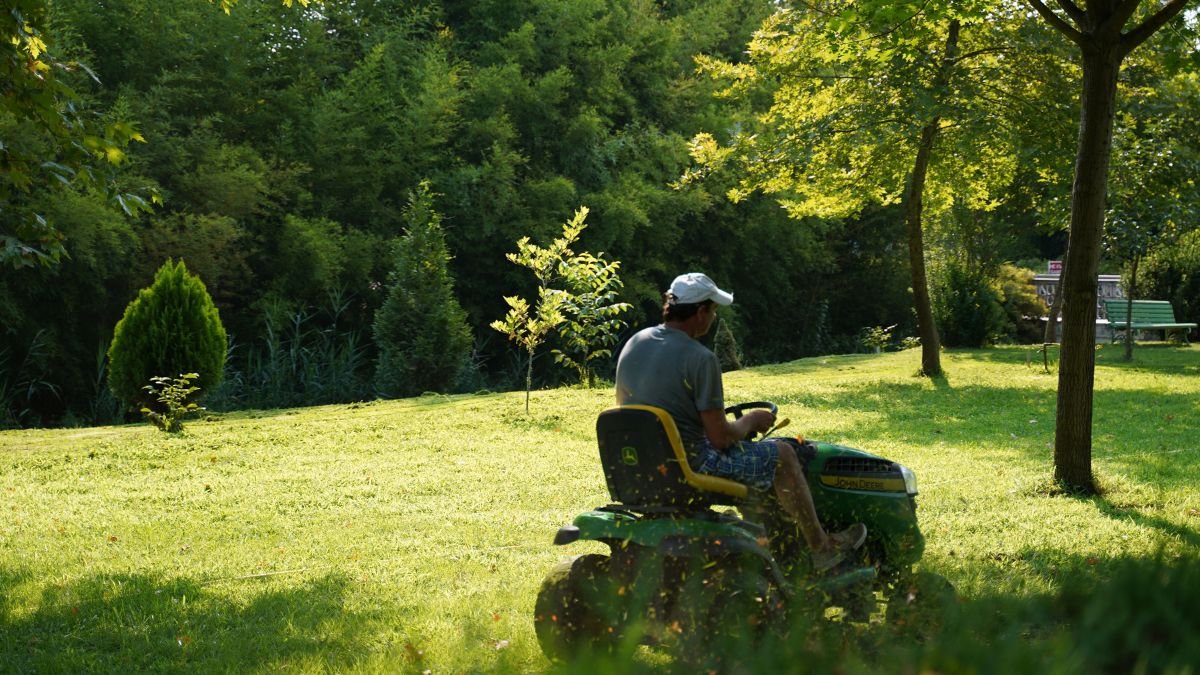
- Mow high. Keep cool-season grasses around 3 to 4 inches tall and warm-season grasses around 2 to 3 inches. Tall grass shades the soil and makes it harder for clover seeds to sprout. Never cut more than one third of the blade at a time, and keep your mower blades sharp.
- Water deeply, not often. One long watering each week builds stronger roots than short daily sprinkles.
- Feed on a schedule. Regular nitrogen keeps your grass thick and dense.
- Aerate once a year. Core aeration loosens compacted soil and helps water, air, and nutrients reach the roots.
- Overseed every year. Fill thin areas with quality grass seed so clover has no empty space to grow.
- Act early. Pull new clover as soon as you see it, before it spreads.
Common Mistakes to Avoid
A few simple errors cause most clover problems. Mowing too short is the most common one. Skipping fertilizer is another, because low nitrogen keeps clover happy. Some people spray herbicide in hot weather or right before rain, which wastes the product and can harm the lawn. Others pull clover but leave the stems and roots behind, so it regrows. Finally, many people forget to reseed the empty spots, which lets new weeds move in. Avoiding these mistakes saves you time and money.
Frequently Asked Questions
Will vinegar kill clover in my lawn?
Vinegar burns clover leaves, but it also damages the grass around them, and the clover often regrows from its roots. Horticultural vinegar is stronger and works better, but it needs gloves and goggles. Use it only as a spot treatment.
How do I kill clover without killing grass?
Use a selective broadleaf herbicide that is labeled safe for your grass type, or pull the clover by hand. Also feed your lawn so the grass grows dense enough to resist future clover.
Is clover good for my lawn?
It can be. Clover needs little care, covers the ground well, adds nitrogen to the soil, and stays green in dry weather. However, it grows in uneven patches, attracts bees, gets slippery when wet, and cannot handle heavy foot traffic.
What is the best time to get rid of white clover?
Early fall is the best time. Spring is a good second choice. Treat white clover while it is actively growing and the weather is mild.
Why does clover keep coming back?
Clover seeds can stay dormant in the soil for years. When conditions suit them, such as low nitrogen, compacted soil, bare patches, or very short mowing, they sprout again. Fix those conditions to stop the cycle.
Is it safe for pets after treating clover?
It depends on the method. Hand pulling is always the safest choice around pets and small children. Smothering is also safe, as long as pets stay away from loose plastic. With herbicides, follow the label and keep pets off the lawn until the spray has dried completely.
Final Thoughts
Now you know how to get rid of clover in lawn and keep it from returning. You have seen why it appears and which methods remove it. Choose the one that fits your situation. For a small patch, try hand pulling or smothering. For a bigger problem, a spot treatment or selective herbicide will do the job. Then support your results with regular feeding, high mowing, deep watering, and yearly aeration. A thick, healthy lawn is the best clover control there is.