Flowers & Ornamental Plants
Plant a Little Now, Enjoy a Burst of Color Next Spring
Everything you need to plant tulips, daffodils and crocuses in fall: the right time, the right depth and the right spacing.
Planting bulbs in fall means a burst of color in the spring – you dig a hole, drop a bulb in the hole, and wait. But knowing how to plant tulip bulbs the right way means the difference between beautiful beds of blooms or a tangle of rotting bulbs. In this guide, you will learn when to plant, how deep to plant, and how far apart your bulbs should go. You will also learn tips for growing in pots, how to protect from squirrels, and how to get bulbs to come up year after year. Daffodils and crocuses each get their own special tips so you can grow a whole spring garden.
Quick answer: Plant tulip bulbs in fall, about six weeks before the ground freezes. Set them pointy side up, 6-8 inches deep and 4-6 inches apart, in a sunny spot with good drainage.
When to Plant Tulip Bulbs and Other Spring Bulbs in Fall
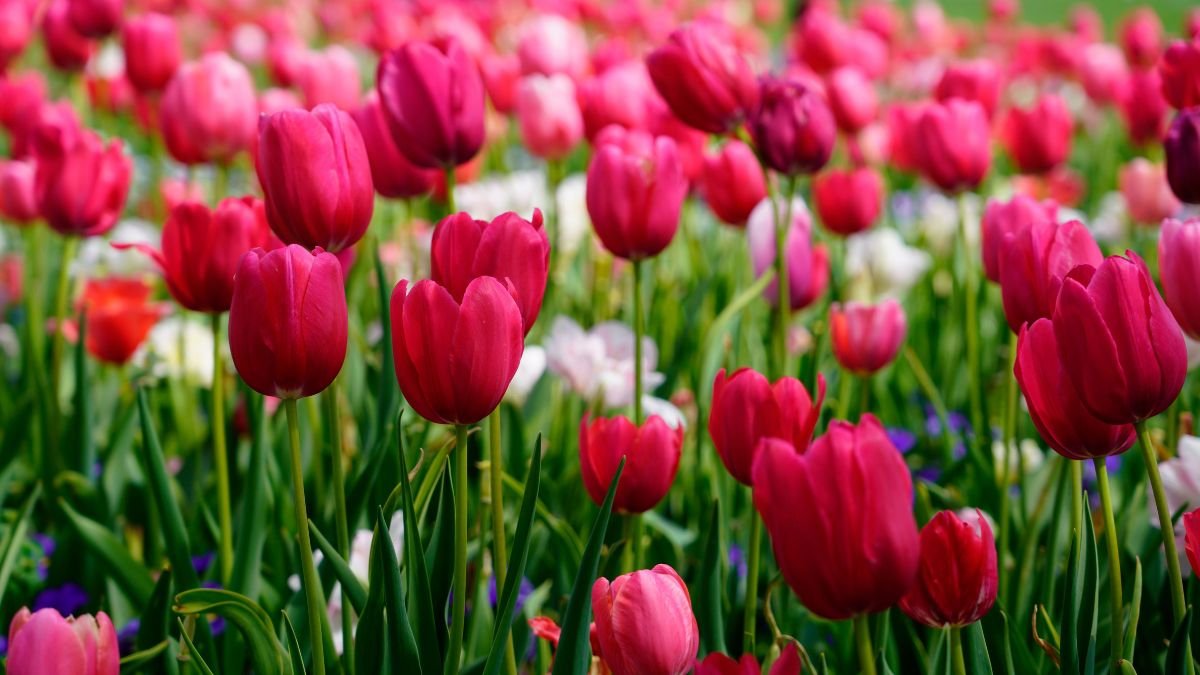
The best time to plant spring bulbs is when the soil has cooled but has not frozen. A good rule of thumb is to plant the bulbs about six weeks before the ground is expected to freeze; at that time of year, the soil is around 60°F (15°C). Planting too early means the bulbs will put on a premature show before winter, while too late means there won’t be enough time for the roots to grow.
Here’s a quick schedule of when to plant by climate zone:
Zones 3 to 5
Late September to mid October
Cold northern areas, such as Michigan, upstate New York, and Colorado mountains.
Zones 6 to 7
October to mid November
Ohio, Pennsylvania, Indiana, Illinois, Massachusetts, Virginia, and Tennessee.
Zones 8 to 9
November to December
Parts of North Carolina, Georgia, and the Pacific Northwest coast. Plant once the soil has cooled.
Daffodils and crocuses want to be put in the ground a little earlier than tulips, and tulips do best planted later in the fall when the soil has turned cool. If you are unsure of your climate zone, check your local expected last and first frost dates; those dates also dictate how to protect your plants from frost.
Warmer climates need another step: tulips need a long period of cold in order to bloom, so be sure to chill your bulbs in the refrigerator for 6 to 8 weeks if you live in a Zone 8 or higher. Avoid storing your tulips with apples or other ripening fruit, as the gas produced can ruin the flower inside your bulb.
Which Bulbs Should You Plant in Fall?
Many popular spring flowers come from bulbs planted in fall. Each one blooms at a slightly different time, so you can plant a variety to get color from late winter through late spring.
Late winter
Crocus
Bloom in late winter or very early spring; one of the earliest bulbs to emerge.
Early to mid-spring
Daffodils
Very reliable and a great pick for beginners.
Mid-spring
Hyacinths
Bloom in mid-spring and carry a nice fragrance.
Early to mid-spring
Grape hyacinths
Spread out slowly to make great groundcovers of blue.
Mid to late spring
Tulips
Come in a rainbow of colors.
Late spring
Alliums
Add nice flower heads of purple.
If you are just starting out, plant daffodils, crocuses, and grape hyacinths as they are the most forgiving and less likely to be eaten by squirrels or deer. Our guide to planting new things also has some advice on learning your area’s requirements and soil conditions.
How Deep to Plant Tulip Bulbs (and Other Bulbs)
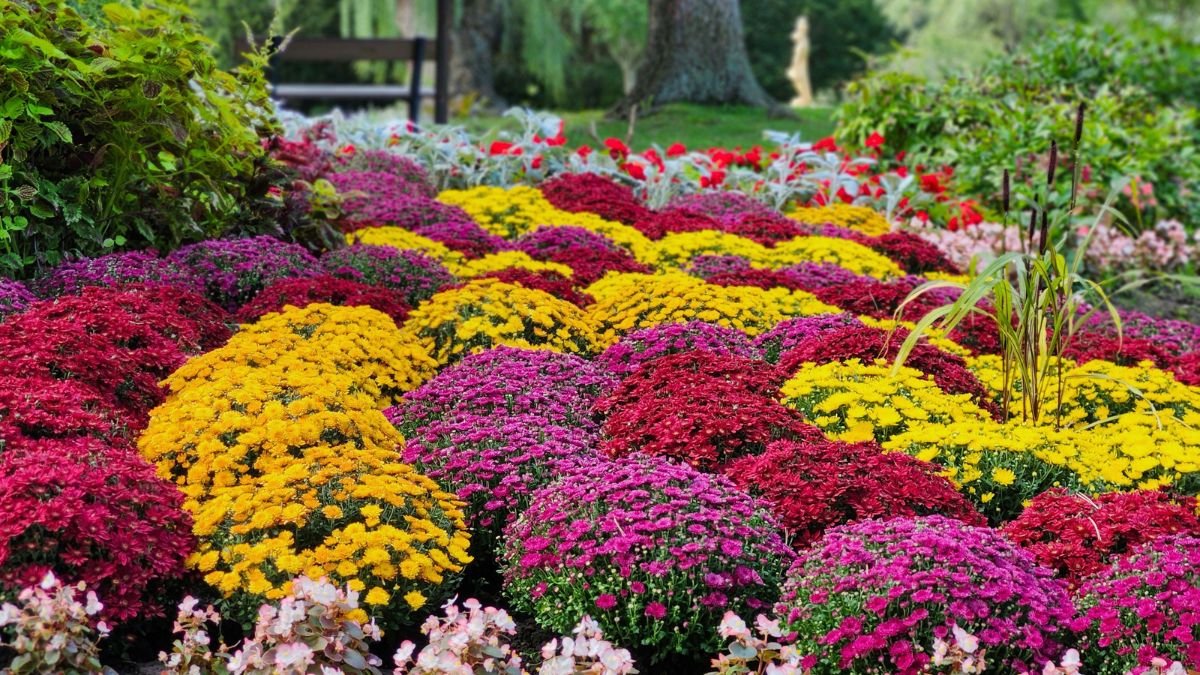
It is easy to overlook the importance of bulb depth, but it is a necessary factor. Planting too shallow means the bulb can be exposed to cold winter nights or pushed out of the ground by animals, and planting too deep means that the bulb will fail to produce flowers.
As a good rule of thumb, plant each bulb about three times as deep as the bulb is tall, measured from base to tip. Here is a quick planting chart for the most popular bulbs planted in fall:
| Bulb | Planting depth | Spacing | Blooms |
|---|---|---|---|
| Tulips | 6-8 in (15-20 cm) | 4-6 in (10-15 cm) | Mid to late spring |
| Daffodils | 6 in (15 cm) for large bulbs, 4-5 in (10-12 cm) for smaller bulbs | 3-6 in (8-15 cm) | Early to mid-spring |
| Crocuses | 3-4 in (8-10 cm) | 3-4 in (8-10 cm) | Late winter to early spring |
| Hyacinths | 6 in (15 cm) | 4-5 in (10-12 cm) | Mid-spring |
| Grape hyacinths | 3-4 in (8-10 cm) | 3 in (8 cm) | Early to mid-spring |
If you have particularly sandy soil that drains quickly, add an extra inch or two of depth, and if you have heavy clay soil, aim for the bottom of the depth range. Planting in clumps of 5-10 rather than one long line looks much better, too; dig a big hole and plant in several bulbs in it.
Choose the Right Spot and Prepare the Soil
Bulbs need two main things: sun and drainage. Pick a sunny spot that gets at least 6 hours of sun in spring (or under deciduous trees, where the bulbs will bloom before the leaves open and block the light).
Drainage is the more important factor. Bulbs that sit in moist, wet soil over the winter will rot and fail to bloom, making rot the number one reason for bulb failure. To test your drainage, dig a hole about a foot deep and fill it with water; if the water is still in the hole after a few hours, pick a different spot or build a raised bed.
Loosen the soil to a depth of 10-12 inches, and mix in a few inches of finished compost to help with drainage and nutrients. If you are making your own, our guide on what can you compost explains what you can add and what you should avoid. Clay soil needs the most help, so be generous with compost, and plant on a slight mound. If your soil is poor, you can also add a slow-release bulb fertilizer, using the directions on the package and avoiding high-nitrogen products that will cause more leaves than flowers.
How to Plant Tulip Bulbs Step by Step
Once your soil is prepared, you can plant your bulbs – it only takes a few minutes per bulb.
Sort your bulbs
Remove any that are soft, moldy, or hollow. Firm, heavy bulbs are the healthiest.
Dig the hole or trench
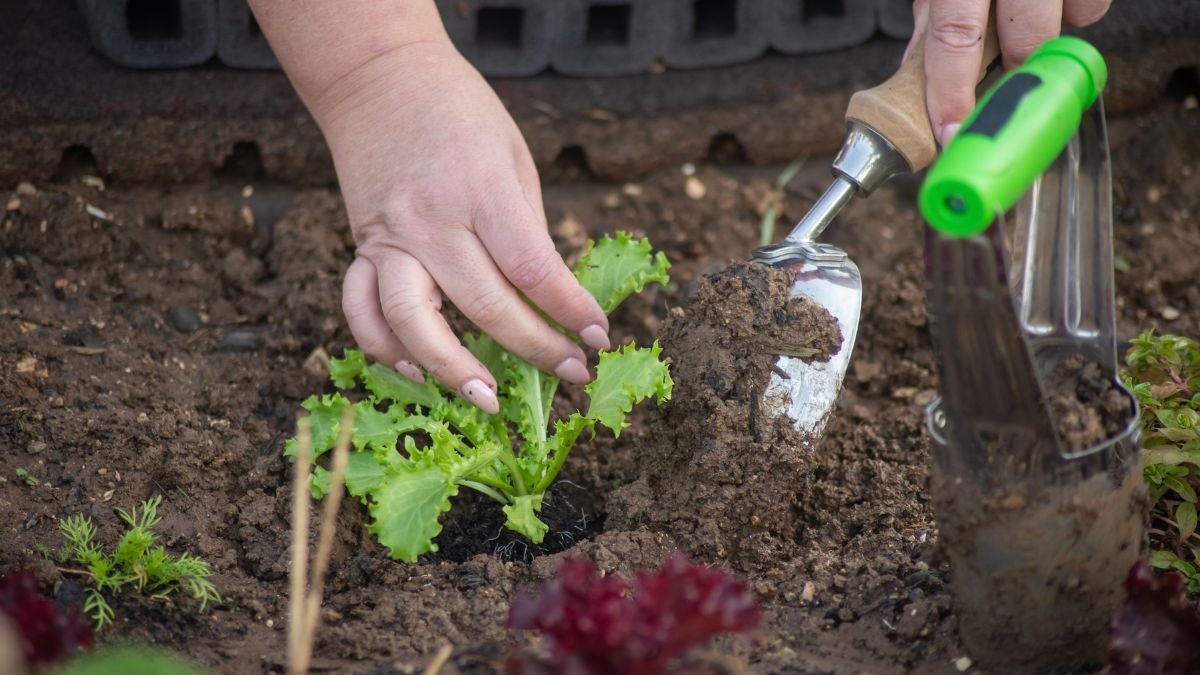
Use a trowel or bulb planter to dig to the appropriate depth for your bulb type. Dig a bigger hole if you are planting more than one bulb in the space, so you can spread the bulbs out.
Add a little compost
This will help with drainage and give the roots a nice start.

Set the bulb pointy side up
The pointy end will shoot up and become the stem, while the flat end will spread roots. If you are unsure which end is which, set the bulb on its side; the shoot will still find its way up.
Cover and firm
Fill the hole with soil and press down to remove any air pockets.
Water once
This will soak the roots and signal the bulb to start growing. After that, nature will take over, but if fall is particularly dry, water when the top inch of soil is dry.
Add mulch
When the ground starts to cool, add 2-3 inches of shredded leaves or bark to help regulate the temperature.
Label the spot
It is easy to forget where you planted, and you don’t want to accidentally dig up the bulbs the next fall.
Wear gloves while planting, as the skin of tulip and daffodil bulbs can irritate your skin and are poisonous if eaten, so keep them away from children and pets.
How to Plant Tulip Bulbs in Pots
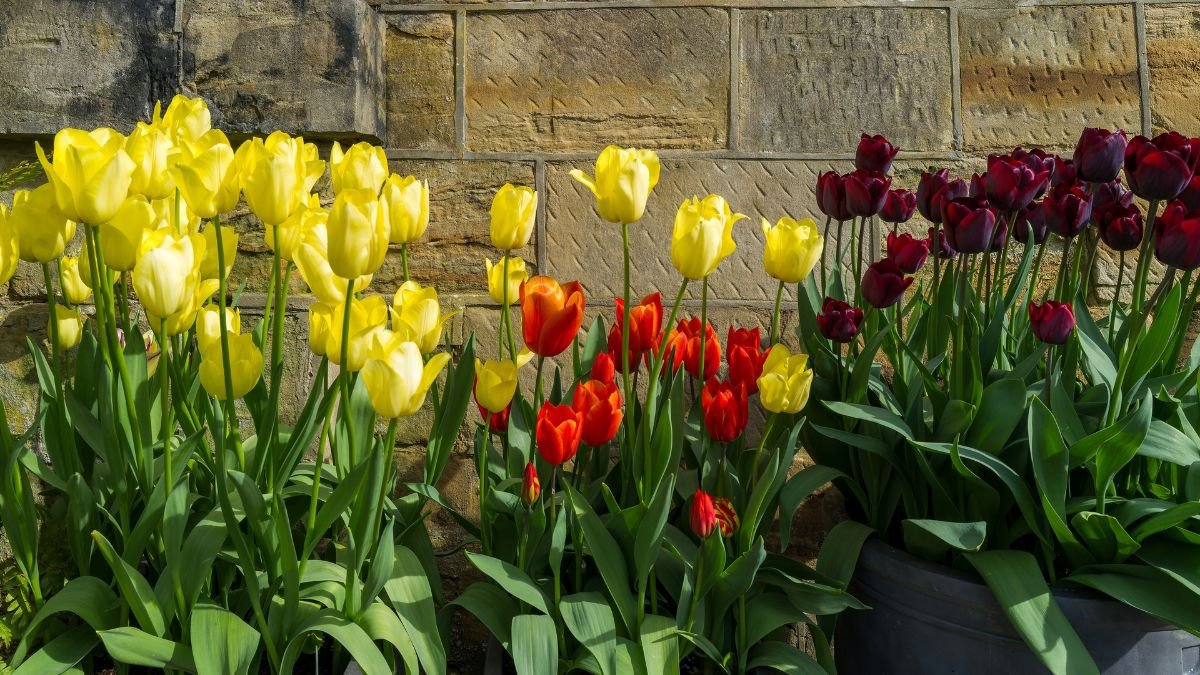
You don’t need a garden to enjoy tulips! Pots are great for growing on a balcony or small patio. Many people ask about how to plant tulip bulbs in pots, and the answer is much the same as above, though planting usually happens later in the year, usually October to early November.
Pick a pot that is at least 10-12 inches deep with drainage holes, and fill the bottom with a few inches of good potting mix. Set the bulbs in the pot, close together; planting in pots allows bulbs to be closer together. Make sure the pointy ends are up, and cover with about 4 inches of mix. Water well.
The tricky part about planting in pots is that bulbs need about 12-16 weeks of cold weather to bloom, and a pot usually freezes faster than the ground would. In colder areas, you can move the pot to an unheated garage or shed, or group the pots together against a sheltered wall, and wrap the pots in burlap or bubble wrap. Keep the mix damp, but not soggy.
In warmer areas, you can first chill the bulbs in the refrigerator and plant them in December or January. Our guide to growing herbs in containers has some other helpful tips about drainage and size.
Move the pots into the sun when spring arrives and watch the shoots emerge.
How to Plant Crocus Bulbs
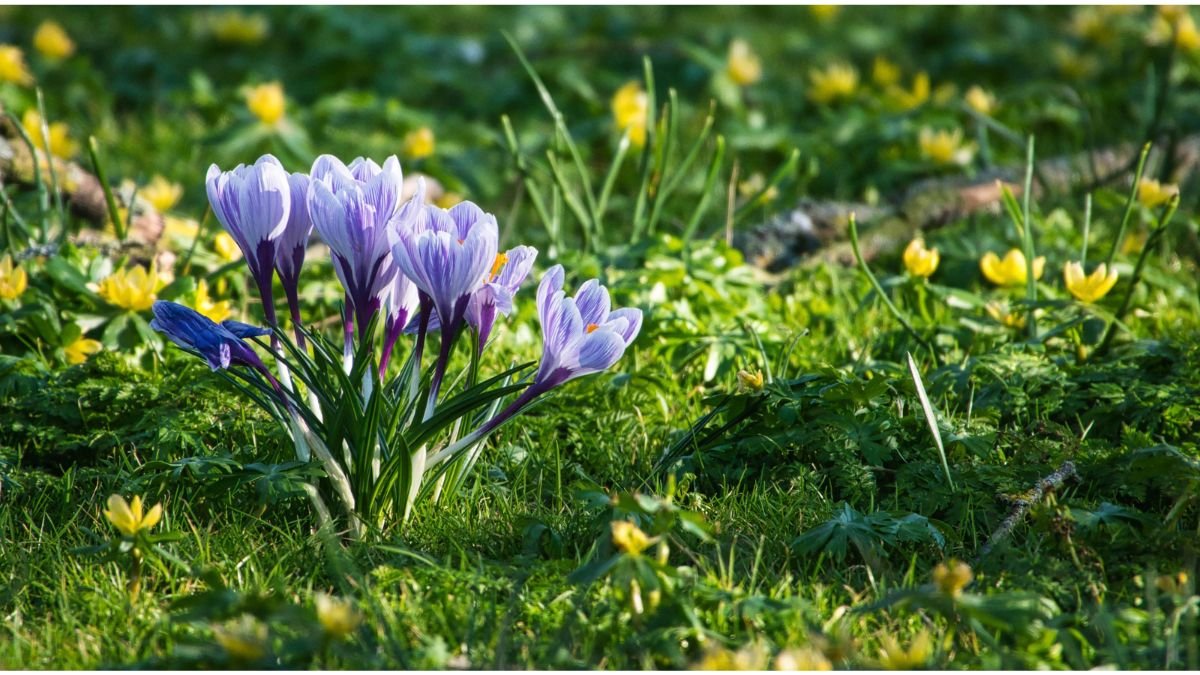
Small, cheap, and easy to grow, crocuses are one of the best fall bulbs to plant. Plant them about 3-4 inches deep and 3-4 inches apart, in clumps of at least 10-20 for the best display. They look nice in beds, at the base of trees, or tossed throughout a lawn.
To plant crocus bulbs in a lawn, use a small trowel to pry up a small square of turf, set two or three bulbs underneath, and replace the turf. Don’t mow the lawn until the leaves of the crocus have turned yellow in late spring; they bloom in late winter, feeding the first bees of the year.
Do Tulips Come Back Every Year?
This is one of the most asked questions, and the answer is unfortunately sometimes. Species tulips and some Darwin hybrid tulips are likely to return and multiply for several years, but most hybrid tulips, especially the large fancy ones, only bloom beautifully for about one year, fading to little the next and gone within two or three.
Many people just buy new tulips each fall, and daffodils behave quite differently: they are very reliable perennials that often get bigger each year. Squirrels and deer also tend to avoid daffodils, since the bulbs are poisonous.
You can encourage your tulips to return by doing the following:
- Plant them deep (the full 6-8 inches)
- Pick a spot with excellent drainage (wet soil in the summer is much worse for tulips)
- Pinch off spent flowers so the plant doesn’t waste energy on seed production
- Leave the leaves alone until they turn yellow, about 6 weeks after blooming

Common Mistakes to Avoid
- Planting too early, while the soil is still warm.
- Planting the bulbs upside down or too shallow.
- Planting in a wet area with poor drainage.
- Overwatering after planting.
- Cutting back the leaves before they have turned yellow.
- Forgetting to chill the bulbs in warm climates.
How to Protect Bulbs from Squirrels
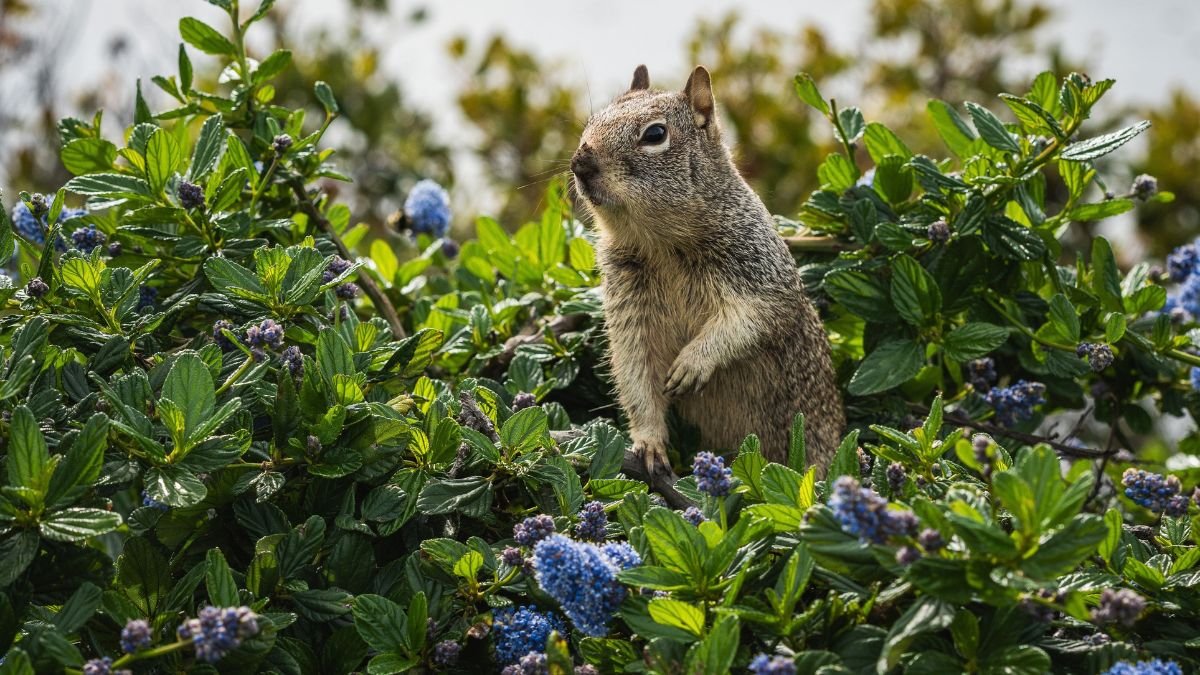
Squirrels love fresh plant bulbs, and often dig up a newly planted bed. If you have squirrels in your area, try these fixes.
- Cover the planted area with chicken wire or hardware cloth and pin it down with staples; cover the wire with mulch. Shoots will come up through the holes in spring.
- Plant bulbs a little deeper, and tamp the soil down firmly, so the ground doesn’t look like it has been recently dug.
- Plant daffodils, alliums, or grape hyacinths around your tulips; squirrels avoid these.
- Remove any papery skin or loose bits of the bulb after planting, as the scent attracts squirrels.
Frequently Asked Questions
Can I plant tulip bulbs in spring?
Tulips need cold winter weather to bloom, so spring planting rarely works. If you find bulbs that are still firm in the spring, plant them immediately. They may not bloom this year, but the leaves will help the bulb store energy for next year.
Do I need to plant the bulbs pointy side up?
Yes, the pointed end holds the growing shoot, while the flat end has roots that will grow downward.
How many bulbs should I plant per hole?
For a natural look, plant 5-10 bulbs in a group in one large hole, keeping the proper spacing for each type.
Do I need to fertilize bulbs?
Adding compost when planting is often enough, but if you have poor soil, you can add a slow-release bulb fertilizer and follow the directions.
What are the best bulbs for beginners?
Daffodils, crocuses, and grape hyacinths are the easiest for planting.
Final Thoughts
Learning how to plant tulip bulbs is a quick task that only takes a little planning. Choose a sunny, well-drained spot, and plant at the right depth with the pointy ends up. Water well and add a layer of mulch, and the rest is waiting. Mix in daffodils and crocuses and your garden will bloom from late winter to late spring!