

How to Overseed a Lawn: Best Time, Step by Step Guide + How Long Grass Seed Takes to Grow
Every lawn eventually needs some tender loving care. Bare patches where the dog has been, thin areas under the old tree, and weeds creeping into every available crack appear sooner or later. The comforting news is that it is rarely necessary to dig up the whole lawn and start again anew. In most cases, all that is needed is overseeding.
Overseeding is one of the easiest ways to make a lawn thicker and greener and cheaper than buying new sod. At the same time, timing, the type of seed, and watering are all important considerations. Getting it right and you will see fresh blades of grass in a couple of weeks’ time. Get it wrong and the seed just sits there or washes away.
This guide covers the best time to overseed a lawn, what seed to buy, how to overseed a lawn step by step, how long does grass seed take to grow, and how to fix bare spots.
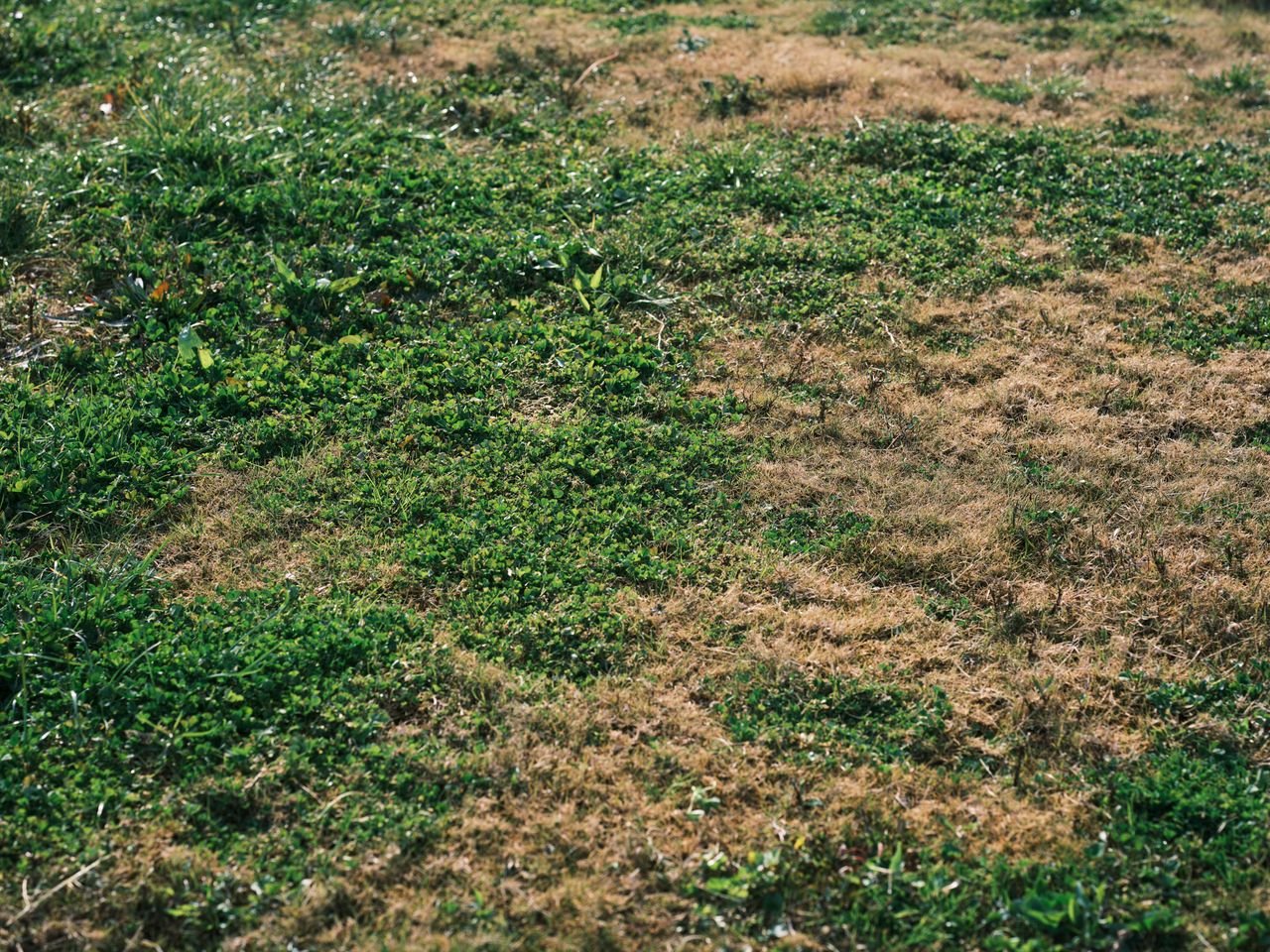
What Is Overseeding (and How Is It Different From Reseeding)?
The process of overseeding a lawn involves sowing seed over an established lawn without removing the old grass. This allows the new seedlings to fill in the gaps in the old lawn and grow in with it. Over the course of a season or two, the lawn grows denser and thicker, and this helps to prevent the germination of weed seeds.
Reseeding (or lawn renovation) is when you clear out the old lawn, break up the soil and sow new seed across the full area of the lawn. This is only really considered when the lawn is mostly dead or full of weeds (say more than half the lawn).
Overseeding should be done when the lawn is generally healthy but thin or patchy. It is also a good opportunity to introduce a better grass type (perhaps one that is more drought-resistant, shade-tolerant or more disease-resistant than what you have now).
Signs Your Lawn Needs Overseeding
It is not something you should do every year, but here are some signs it may be time.
- The grass is thin in places and you can see the soil
- There are bare or brown patches that persist after watering
- There are an increasing number of weeds
- The lawn is old and thin overall
- The lawn has been damaged in places, such as by dog spots, heavy traffic, or a bad summer
- The grass looks less vibrant and is more yellow than it did a few years ago
If you have just a few bare patches, you can repair those separately. We look at how to do that a little later.
When to Overseed a Lawn
Timing is everything and it depends on what type of grass you have.
Cool-season grasses (best time: late summer to early fall)
If you have Kentucky bluegrass, perennial ryegrass, tall and fine fescue, or a mix of these, early fall is the best time to overseed. The soil is still reasonably warm from summer which helps germination, but the air is cooling down, which is good for young grass. Weeds are also slowing down at this time of year, so they are less likely to compete with the new seedlings. A good target is a soil temperature of around 50–65°F (10–18°C). Ideally, seed about six weeks before your first expected frost so that the grass has had a good season of growth before winter. If you are unsure how frosts affect young plants, our guide on how to protect plants from frost should help.
In spring, you can overseed a lawn once the soil is warming up and the risk of hard frosts has passed. The downside is that summer heat and crabgrass will soon arrive, so spring-seeded lawns have it harder than those sown in fall.
Warm-season grasses (best time: late spring to early summer)
Bermuda, zoysia, and centipede grass are best overseeded in late spring or early summer. The soil needs to be reasonably warm (65–70°F / 18–21°C) to germinate, so sowing in fall will likely see the seed waiting until next year to grow. One trick is to buy a cheap soil thermometer and stick it a few inches into the ground first thing in the morning. That way you can be confident of the soil temperature, rather than relying on the calendar.
How to Choose the Right Grass Seed
Choosing the wrong seed is a frequent cause of overseeding failure. First of all, make sure to choose a seed that is suitable for your climate and the light conditions in your lawn. Most lawns will be a mix of shady and sunny areas, but a lot of people overlook that their front and back yards may have very different requirements.
Cool-season lawns are best sown with a seed mix of Kentucky bluegrass, perennial ryegrass, and fescues. Warm-season lawns do better with Bermuda, zoysia, or centipede. Avoid mixing the two types of grass, as they will grow at different rates and look quite different once mature.
When looking at a bag of seed, always check the fine print. You want to see something like this:
- A named variety or mix of grasses, with the percentage of each stated on the bag
- At least 85% germination
- No more than 0.5% weed seed
- Less than 5% “inert matter”, “other crop seed”, etc (fillers)
Bags of cheap seed with lots of filling material can lead to weed infestation in your lawn, which is the opposite of what you want. Paying a little extra for good quality seed will save you money and heartache in the long run.
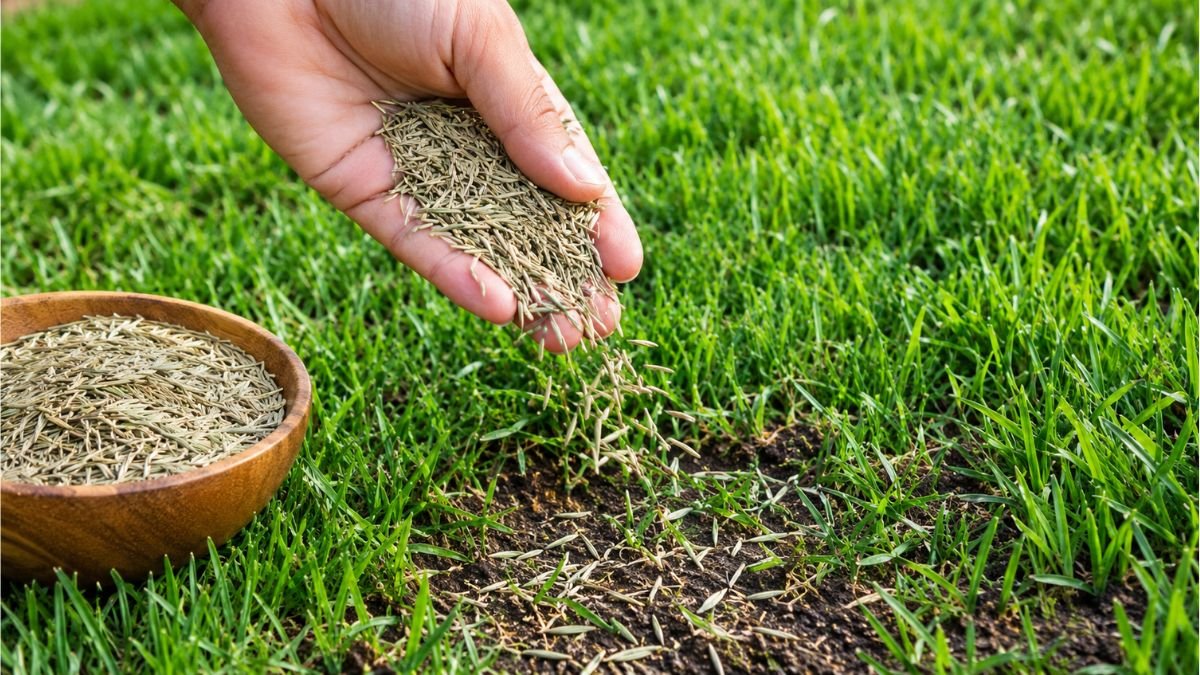
How to Overseed a Lawn, Step by Step
Here is a step-by-step guide on how to overseed a lawn, in order. By following these steps, your seed has the best possible chance of germinating and growing into a healthy lawn.
Step 1: Mow lower and clear the lawn
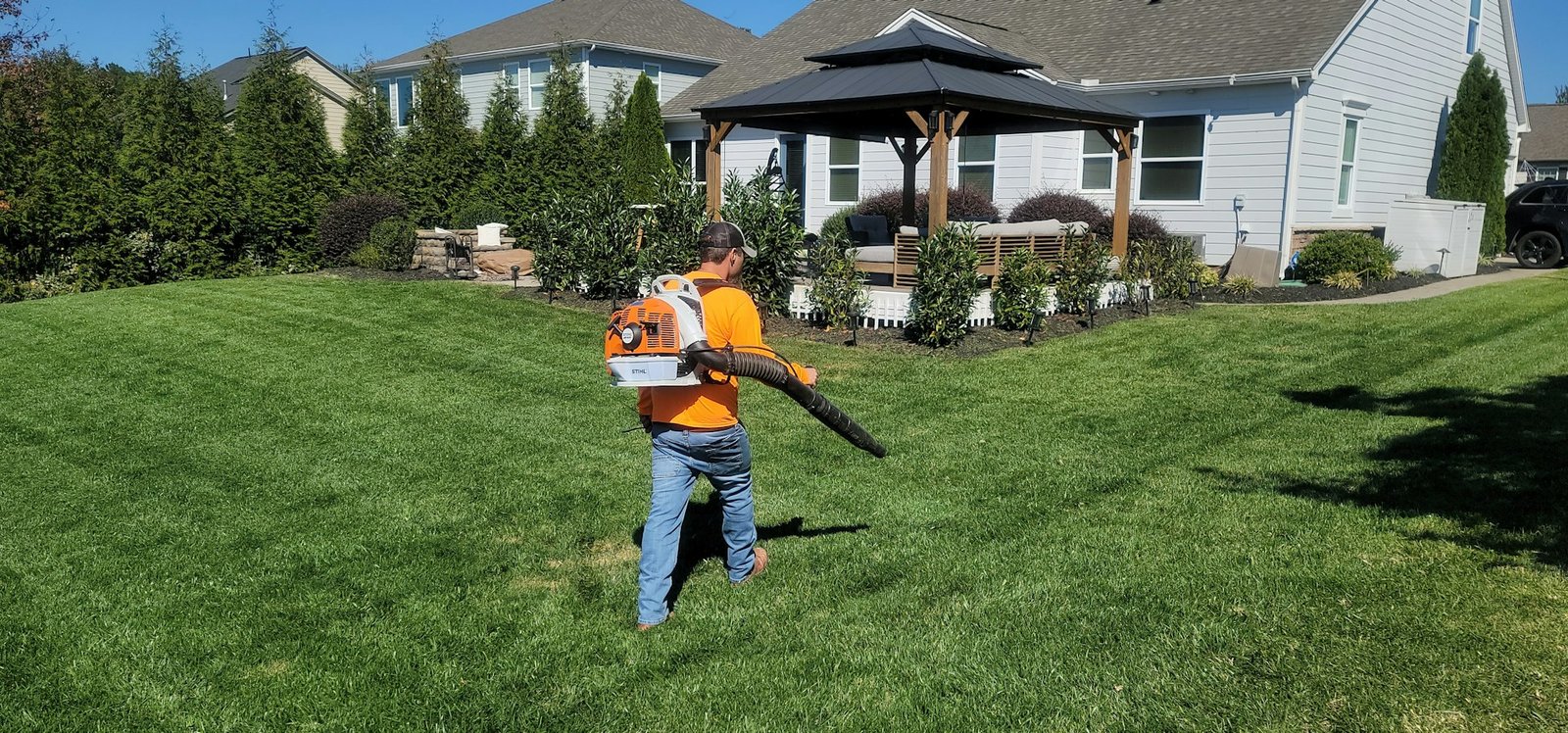
Mow the lawn a little shorter than usual, around 1.5–2 inches for most cool-season grasses, and bag the clippings. This allows more light to reach the soil, as well as the new seed. Rake up any leaves or other debris so that nothing blocks the new seedlings.
Step 2: Dethatch and aerate
Thatch is a layer of dead and dying grass that insulates the roots from the soil. If the thatch layer is more than about half an inch, it is a good idea to rake it out (with a dethatching rake or machine), as seed will have a hard time finding its way to the soil through a thick mat.
Core aeration is the next big step. A core aerator removes small plugs of soil from the lawn, which reduces compaction and allows more air, water, and seed to penetrate the root zone. You can rent a core aerator from most hardware stores. On a small lawn, roughing up the bare patches with a garden rake will be sufficient.
Step 3: Feed the soil
If possible, do a simple soil test to determine the pH and nutrient content of your soil. Most grasses prefer a pH between 6 and 7, but you may need to add lime to raise an overly acidic soil. Apply a starter fertilizer according to the instructions on the package. Be mindful of any local restrictions on phosphorus in lawn products. Avoid using weed-and-feeds or crabgrass preventers at this stage, as they will inhibit germination. Most instructions will say to wait 6–8 weeks before applying a post-emergent herbicide.
Step 4: Spread the seed
A broadcast or drop spreader is ideal for overseeding, as it allows even distribution with minimal overlap. Check the bag for an overseeding rate – this should be lower than the recommended rate for a brand-new lawn. One popular method is to spread half the seed while walking in one direction, and the other half while walking in the opposite direction. This avoids stripes and ensures even coverage. For small areas, you can simply toss the seed over the area.
Step 5: Get the seed in touch with the soil
Seed that is left on top of the grass blades will not germinate well. Rake the area lightly to loosen the soil, and then spread a thin layer (about a quarter inch) of finished compost or topsoil over the seed. This will hold the moisture in and keep the seed safe from birds. Do not bury the seed too deep, or the small seeds will not be able to push through. If you are making your own compost, our guide to what you can compost should help you find out what to put in the pile so that you end up with healthy, weed-free compost.
Step 6: Water carefully
This is the most important step, and the difference between a lawn that takes off and one that withers and dies. The top inch of soil should be kept evenly moist until germination takes place. In practice, this means watering two or three times a day for about 5–10 minutes at a time. The soil should be damp but not soggy. Avoid watering in the evening if you can, as this can encourage fungus growth.
Once you see seedlings emerging after one or two weeks, you can reduce the frequency to once a day, but water for a little longer. After about four weeks, you can move on to a regular watering schedule of roughly one inch of water per week, including rain. If the seeds dry out after germination, they will often die, so do not skip watering sessions in the first few weeks, especially if it is hot and/or windy.
How Long Does Grass Seed Take to Grow?
This is probably the most common question about overseeding, and the truth is that it depends on the type of grass seed. Here is an approximate germination time for the different grasses when sown at the best time of year:
| Grass type | Germination time |
|---|---|
| Perennial ryegrass | 5–10 days |
| Tall fescue | 7–14 days |
| Fine fescue | 7–14 days |
| Kentucky bluegrass | 14–30 days |
| Bermuda grass | 7–21 days |
| Zoysia grass | 14–30 days |
| Centipede grass | 14–28 days |
Coverage takes a little longer. Expect to see a full lawn of reasonably thick grass after about two to three months.
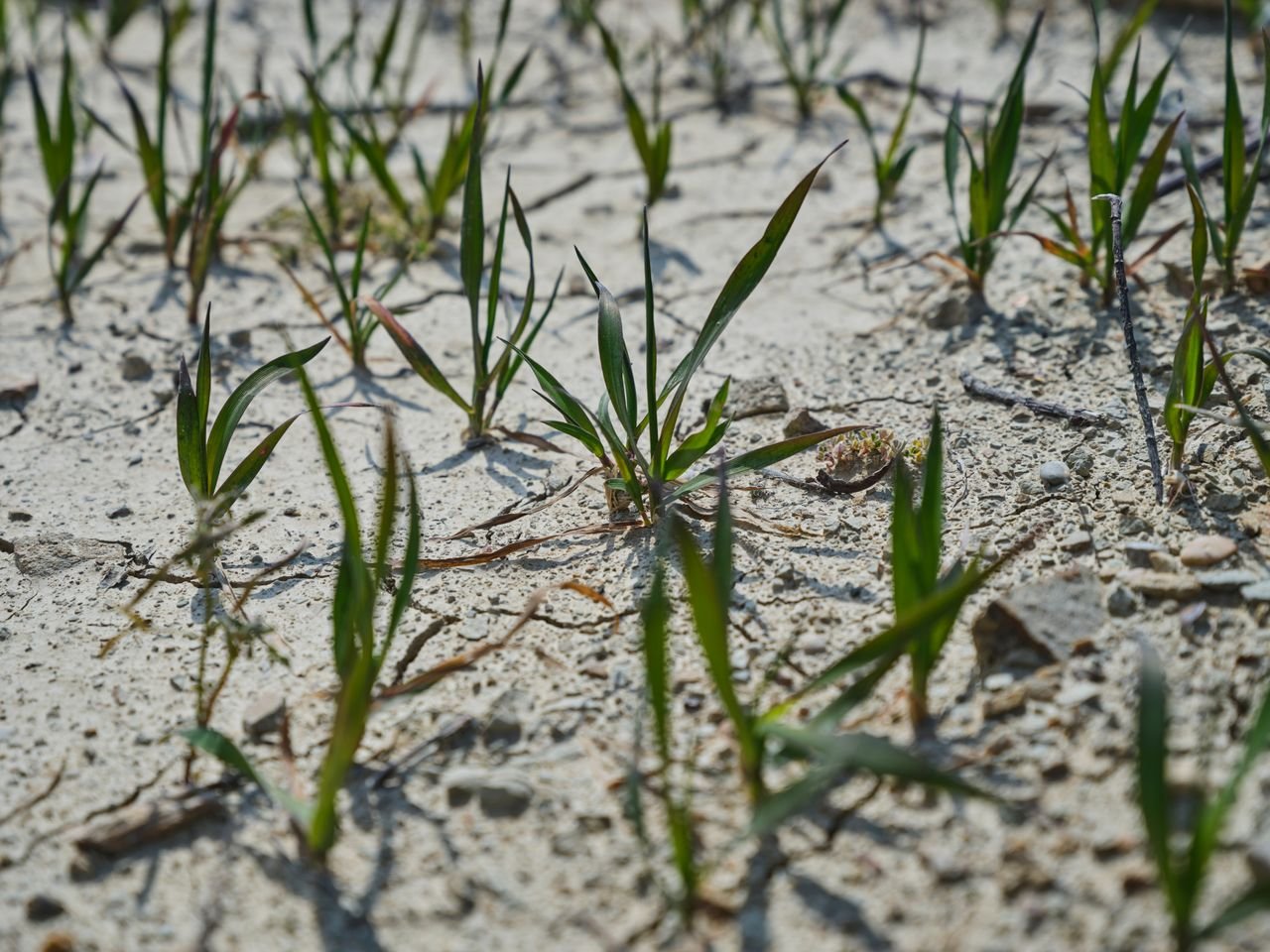
If you are using a mix of seeds, chances are you will see the ryegrass germinate first, and the Kentucky bluegrass will be the last to show. Do not worry if it looks like nothing is happening in the first few weeks.
The most common reasons for slow germination are cold soil, buried seed, seed that has dried out, and old seed with a low germination rate. If nothing has come up after a month and you have tried to keep the soil moist, check the soil temperature and the germination date on the seed bag before reseeding.
First Mow and Aftercare
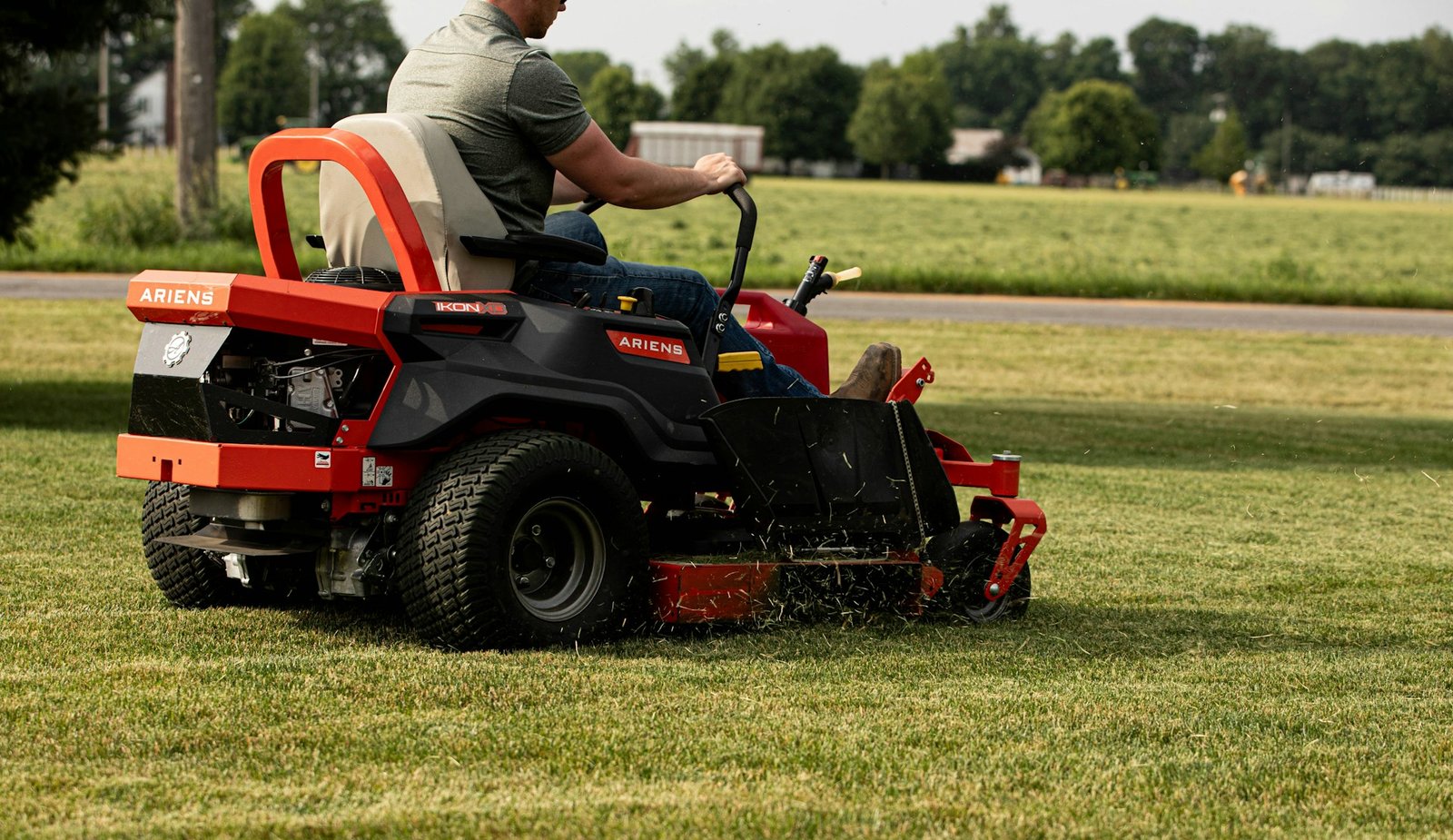
Be patient when mowing for the first time. Wait until the grass has reached about 3–4 inches in height, and then use a sharp mower blade set high enough to avoid mowing off more than one third of the blade. Always avoid mowing when the grass is wet, as this can damage the blades. Sharpen the blade regularly, as a blunt blade can cause more damage.
Avoid walking or playing on the area for the first three to four weeks. The roots are still shallow and easily damaged.
After about four to six weeks (or once you have seen the first mow), apply a regular lawn fertilizer to help boost growth. Avoid using weed killers until you have mowed the new grass at least three or four times, or according to the specific instructions on the product.
How to Fix Bare Spots in a Lawn
If you have bare spots rather than a general thinning of the grass, fixing bare spots works in a similar way to overseeding but on a smaller scale. The first step is to find out why the grass has died in the first place, as this will help you find the best solution for repairing bare spots.
There are several common culprits:
- Dog urine: This has too much nitrogen in it and can burn the grass
- Grubs: These insects eat the roots of the grass, so if you lift a piece of dead lawn and the roots come with it, exposing white grubs underneath, you know what the problem is
- Compacted soil: From heavy traffic, especially in the same place
- Shade: Too much shade leads to thin grass and bare patches
- Lawn fungus or disease: This can thin out patches of grass
- Too little or too much water: Both can cause patches of dead or dying grass
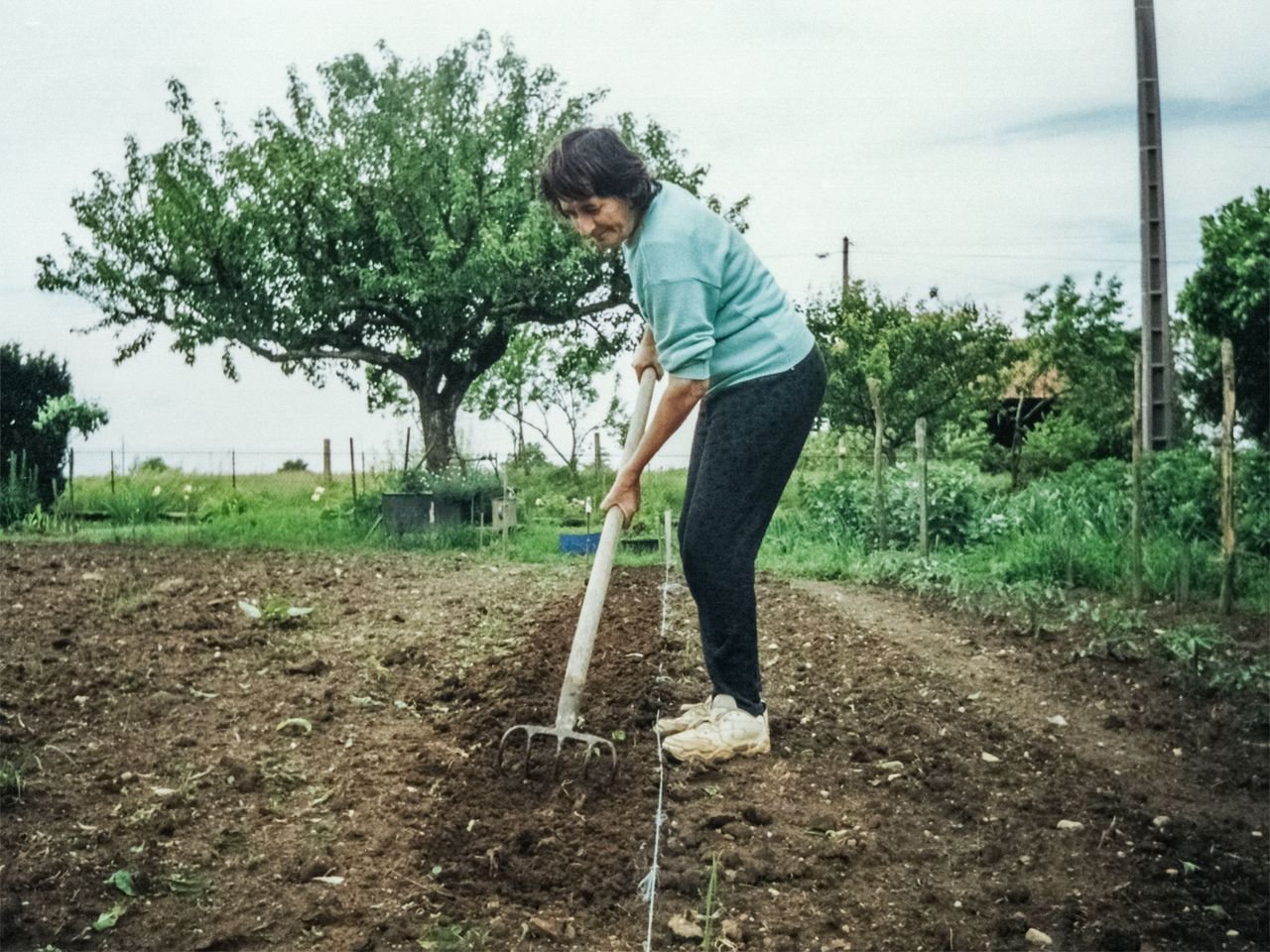
Having identified the cause, you can proceed to repair bare spots. Rake out the dead grass and any debris, and loosen the top two to three inches of soil. Mix in some compost, then sprinkle the seeds at the rate specified on the bag. Press the seed gently into the soil, and cover lightly with compost or a layer of straw for protection. Water regularly as you would with an overseeded lawn.
Dog spots need a special treatment. The area should be washed thoroughly with plenty of water to remove excess nitrogen before reseeding, or the new seedlings can suffer the same fate. Tall fescue and perennial ryegrass are better at dealing with dog traffic, so consider using these to repair bare spots. Watering the area immediately after your dog finishes business can also help dilute the urine and reduce the risk of spot formation.
If you want faster results, you can use sod patches to repair small bare spots rather than seed. Simply cut out a piece of sod to fit the size of the bare patch, and press it into the prepared soil. Water well and you should be rewarded with a quick repair. It is more expensive than overseeding, but the repair is near-instant, and it is great for areas where you cannot easily sow seed, like slopes.
Common Overseeding Mistakes to Avoid
Avoid these common mistakes to overseed a lawn and end up with a healthy, thick lawn.
- Overseeding at the wrong time of year for your grass type
- Using cheap seed with lots of filler and weed seed
- Not getting the seed in contact with the soil and just throwing it on top of the grass
- Putting too much seed down and crowding the seedlings
- Burying the seed too deep in the soil
- Allowing the soil to dry out during the first few weeks
- Applying weed-and-feed or crabgrass preventer at the same time
- Mowing the lawn too early, too short, or with a dull blade

Frequently Asked Questions
Can I overseed a lawn in spring?
Yes, you can, especially for cool-season grasses once the soil has warmed up. Just bear in mind that summer heat and weeds will take a toll on the new seedlings, so you need to keep on top of watering. Fall is still the preferred time of year if you have the option.
Do I have to aerate before overseeding?
No, you do not, but it does help. Aeration breaks up compacted soil and improves seed-to-soil contact. If your lawn is compacted or has a thick thatch layer, it is probably a good idea. On a small, mildly thin lawn, it may be sufficient to just rough up the surface of the soil with a garden rake.
How often should I overseed my lawn?
Most lawns benefit from overseeding every one to three years, depending on how thin they tend to get. A lawn that is already thick will not need to be overseeded as often.
Will grass seed grow if I just throw it on top of the lawn?
It might do, but not reliably. Seed needs to come into contact with moist soil to germinate, and thick grass blades and thatch can prevent this from happening. Mowing the lawn short, raking and light covering of the seed should be sufficient.
What if heavy rain washes the seed away?
Check the area once the rain has stopped and reseed any areas where the seed has been washed away. On sloped lawns, a layer of straw or an erosion blanket can help hold the seed in place.
Can I fertilize at the same time as overseeding?
Yes, as long as you use a starter fertilizer specifically for new grass. Avoid using standard weed-and-feed products, as they can inhibit germination.
Final Thoughts
Overseeding a lawn may not be difficult, but it is a task that rewards those who time it right and take care with the aftercare. Pick the right time to overseed a lawn for your type of grass, buy the right type of quality seed, get it in contact with the soil, and keep it moist, and you will soon see a thicker and greener lawn emerging. The time and effort required for overseeding is minimal compared to the time and hassle of dealing with a patchy lawn.
If you are new to lawns and yards, our gardening tips for beginners should give you a good start. And once you have some nice fresh grass, a little regular mowing and watering will keep it looking tidy for years to come.