
What Can You Compost? The Complete List of What to Add (and What to Keep Out)
A simple greens-and-browns guide to what goes in your compost bin, what stays out, and how to use the finished compost in your garden.
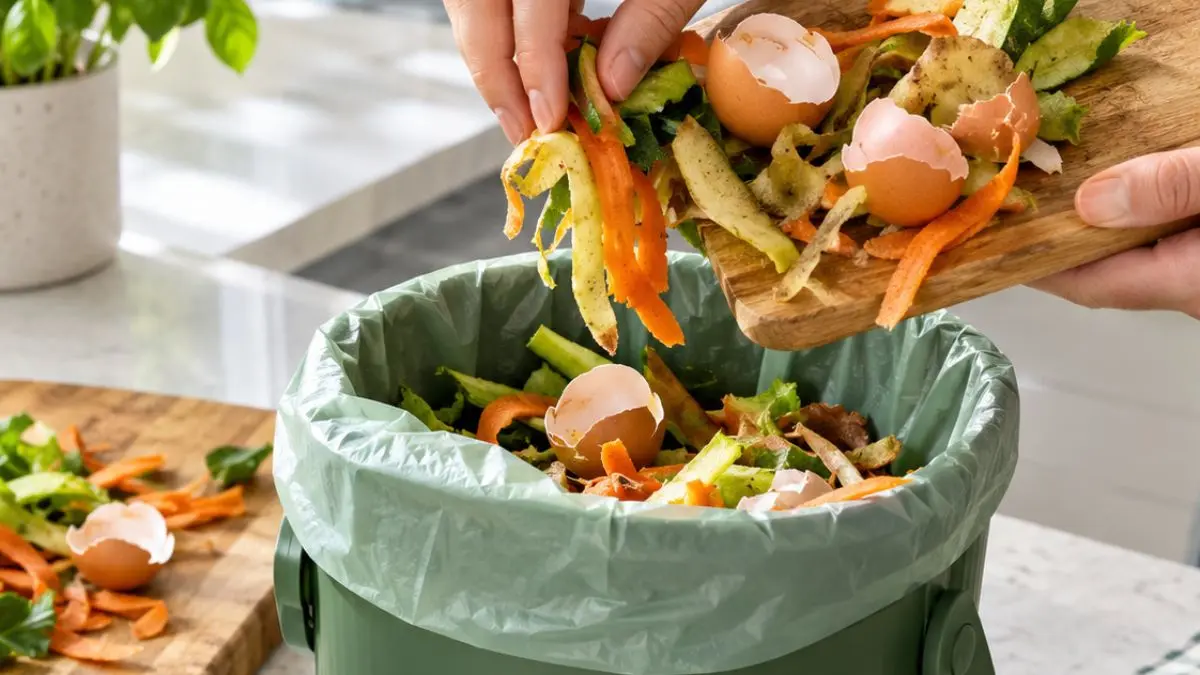
No matter how organized you are, chances are your kitchen and garden produce more waste than you need to throw away. Vegetable peels, coffee grounds, eggshells and a pile of fallen leaves all have the potential to turn into dark, crumbly compost that enriches the soil in your garden, for free. The only tricky part is answering one question: what can you compost?
Do it right and you’ll have a thriving compost bin that produces nutrient-rich compost in just a few months. Do it wrong and you’ll have a foul-smelling, slimy mess that attracts pests instead of producing something useful. This guide covers everything you need to know about what to add and what to keep out of your compost bin, so you can get started (or get back on track) with confidence. If you’re just starting out in the garden, you may also want to read our gardening tips for beginners alongside this guide.
The Short Answer: What Can You Compost?
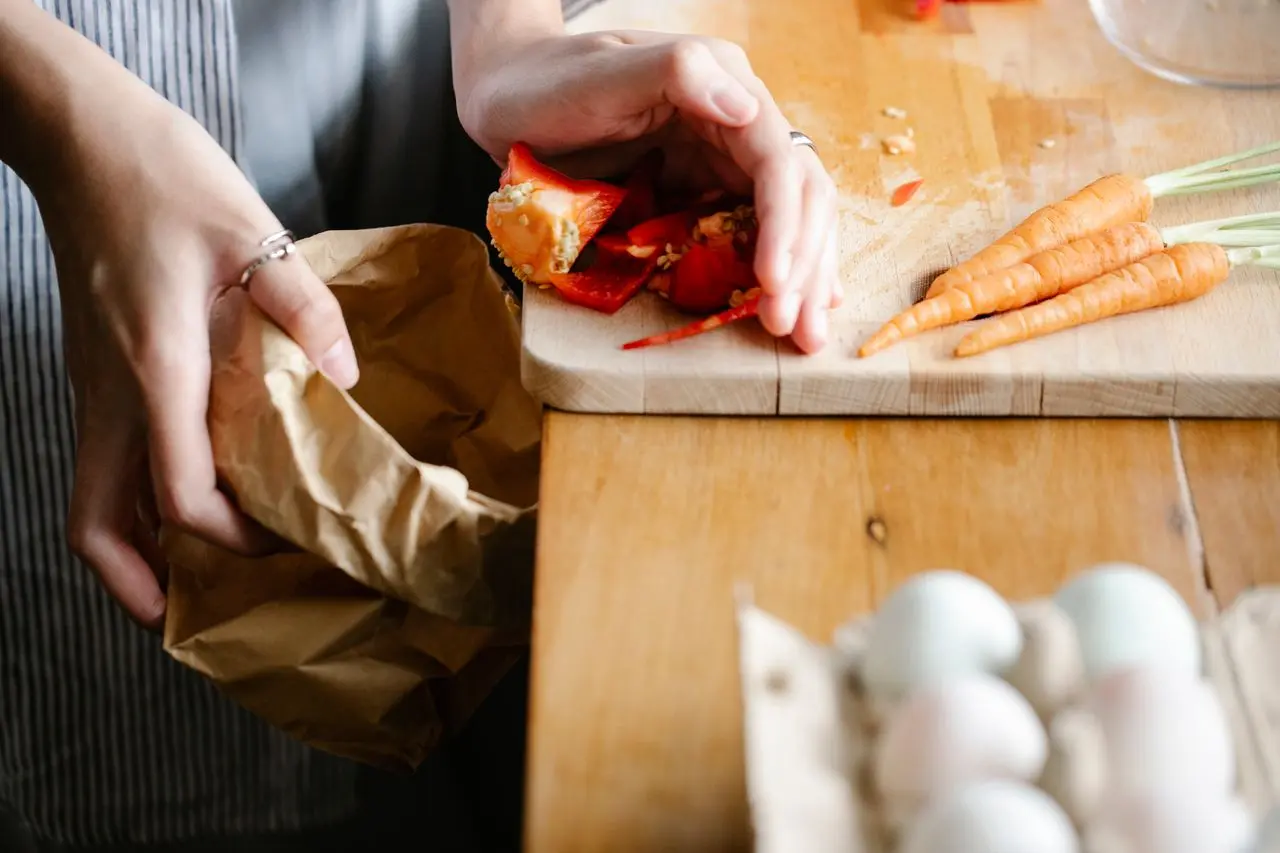
You can compost almost any organic material, including:
- Fruits and vegetables (peels, cores and scraps)
- Coffee grounds and paper filters
- Eggshells
- Grass clippings
- Dead leaves and straw
- Cardboard and paper (shredded)
- Manure (from plant-eating animals only)
You shouldn’t try to compost meat, fish, dairy, oily foods, pet waste or diseased plants in your regular compost bin.
Everything on that list falls into one of two categories, and understanding the difference is the key to successful composting.
Usually fresh, moist plant materials that provide nitrogen to help the composting process along.
Drier, woodier materials that provide carbon and aeration.
Greens: The Nitrogen-Rich Materials
Greens typically consist of fresh, moist plant materials that provide nitrogen to the composting process. Chop them up and mix them in with the browns to keep your compost bin from becoming too wet and smelly. Good examples of greens include:
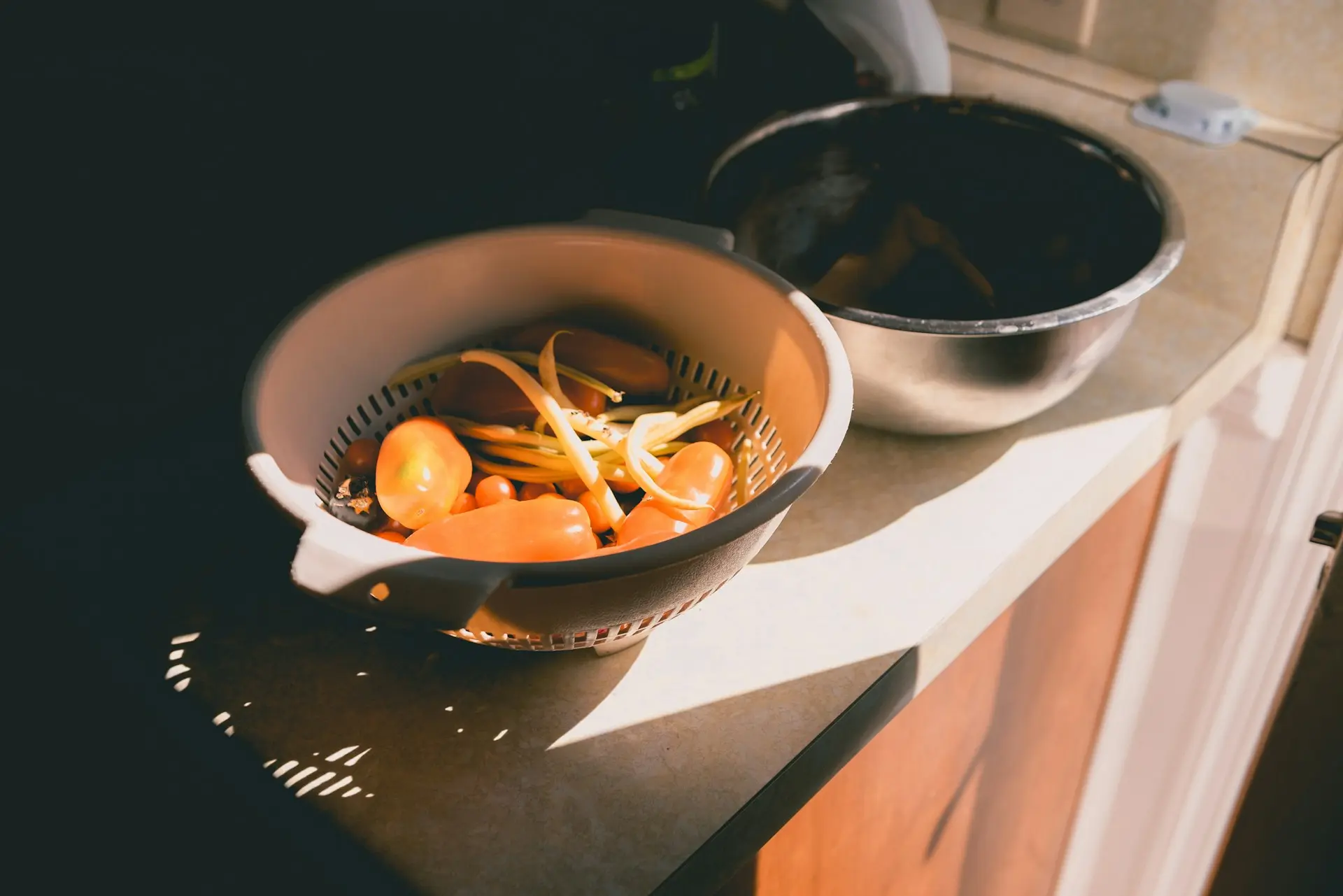
- Fruit and vegetable peels, ends and cores
- Coffee grounds
- Tea leaves and paper tea bags (check for plastic)
- Fresh grass clippings
- Fresh garden trimmings, spent flowers and healthy plants pulled up by hand
- Houseplant trimmings and dead flowers
- Crushed eggshells
- Manure from cows, horses, rabbits, chickens or other plant-eating animals
- Rinsed seaweed
One of the problems with greens is that they decay quickly, which makes them prone to rotting and odors. To keep your compost healthy, avoid adding large amounts of greens at one time. Break big pieces into smaller chunks, and consider burying fresh food waste deep inside the pile.
Browns: The Carbon-Rich Materials
Browns typically consist of dried plant materials and provide carbon to the composting process. They are generally quite dry and add bulk and airflow to a compost bin, keeping it from becoming too mushy. Good examples of browns include:
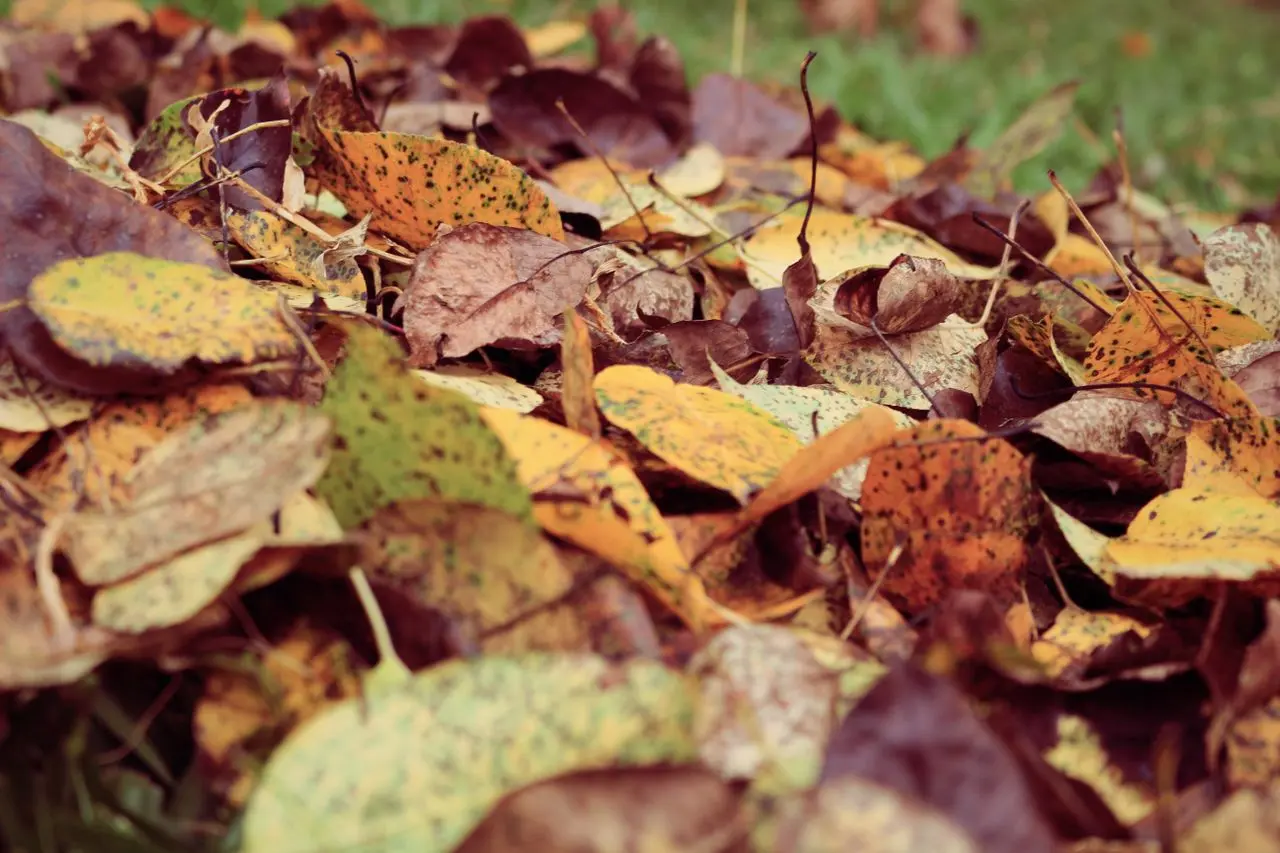
- Dry, fallen leaves
- Straw (avoid hay, since it can contain weed seeds)
- Shredded cardboard and egg cartons
- Shredded newspaper (avoid glossy or colored pages)
- Paper towel and toilet paper tubes
- Small twigs
- Sawdust (from untreated wood only, in small amounts)
- Pine needles (in moderation)
- Dried corn stalks and garden stalks
October is a particularly good time to collect dry leaves, since you’ll have plenty and they’re perfect for composting. Save a few bags for your compost bin, and add a handful whenever you add kitchen scraps. Leaves also make a good mulch, so if you’re expecting cold weather, here’s how to protect plants from frost with mulch, using the same leaves.
How Much Green and Brown Should I Add?
A good rule of thumb is to add two or three times as much browns as greens, by volume (not weight). If you’re adding a bucket of food scraps, balance it with two or three buckets of dry leaves, shredded cardboard or similar browns. You don’t need to measure exactly, but you should be able to tell when the pile needs more greens or more browns:
- Smells like ammonia or is squishy and wet: too many greens. Add some browns and mix it up.
- Dry and powdery, and nothing is breaking down: too many browns. Add some greens and maybe a little water.
- Attracting flies: your food waste is probably exposed. Bury it and cover it with a layer of browns.
Your compost pile should be about as damp as a wrung-out sponge, and turning it with a garden fork every week or two will speed things up. A turned compost bin breaks down materials much faster than one that’s left alone.
Video: a quick visual guide to balancing greens and browns.
Can You Compost Eggshells?
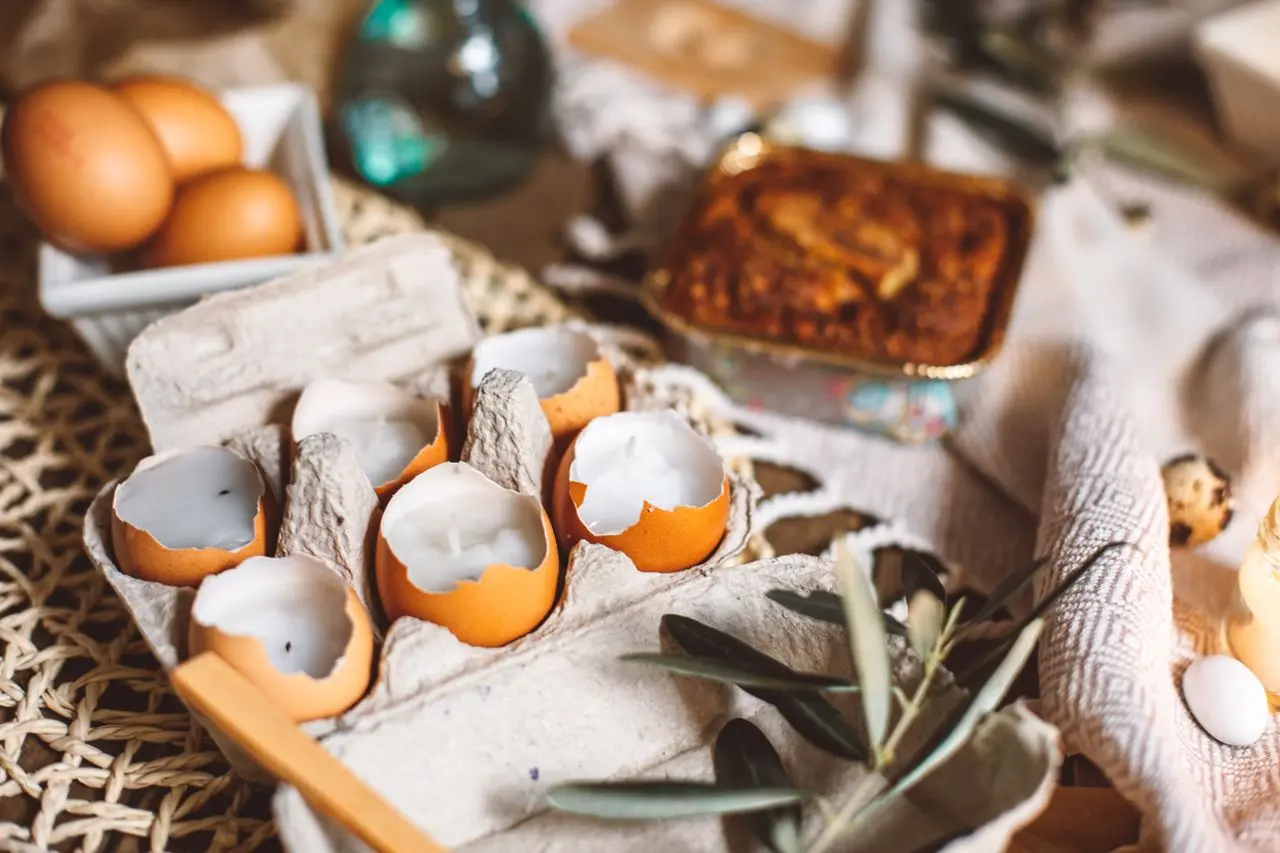
Yes, you can compost eggshells. They’re a good source of calcium. The main problem with eggshells is that they’re slow to break down, so crush them up before adding them to your bin. You can do this by hand, or let them dry on the counter for a day or two and then crumble them. Whole eggshells will eventually break down in a year or two, but crushing them speeds up the process.
Washing them isn’t necessary, but you can rinse them if you want to avoid any odors. Eggshells won’t make your soil more acidic, and they won’t change it quickly either, so think of them as a slow, steady contribution to the pile. Consider saving a few eggshells in a small container on your kitchen counter, then adding the whole batch to your compost once a week.
Can You Compost Coffee Grounds?
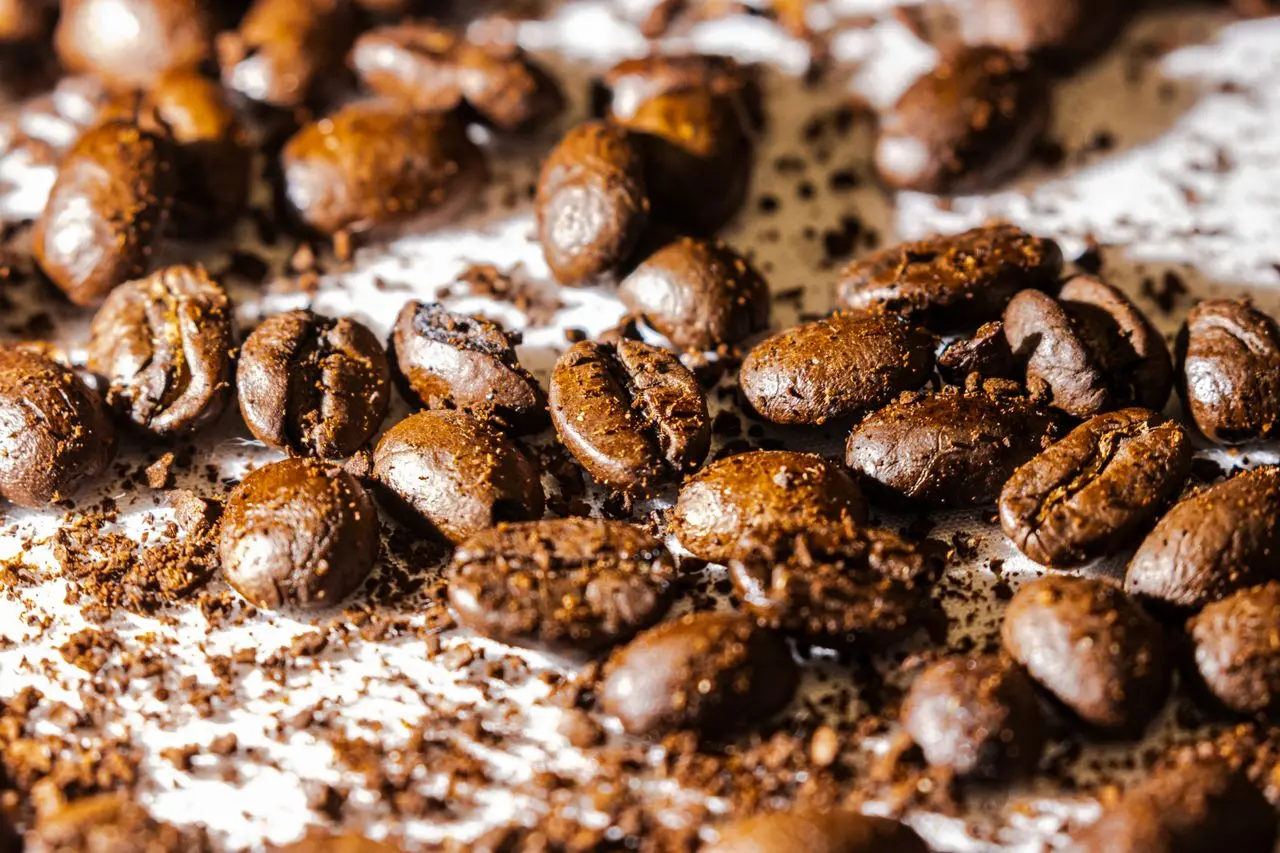
Yes, you can compost coffee grounds. They’re one of the richest sources of nitrogen available for composting, so they count as a green material, along with other nitrogen-rich items like grass clippings and vegetable scraps. You can also compost the paper coffee filters.
Here are some things to keep in mind when adding coffee grounds to your compost bin:
- Keep coffee grounds to about a quarter of what you add at one time, and always mix them with browns to avoid creating a dense, soggy pocket in your bin.
- Used coffee grounds are close to neutral in pH, so they won’t make your compost too acidic.
- If you’re adding tea bags, make sure they’re not sealed with plastic. When in doubt, tear open the bag, compost the leaves, and throw the bag away.
Banana Peels, Citrus and Other Kitchen Scraps
Banana peels are a good addition to the compost bin, as they’re high in potassium and break down fairly quickly. Just be sure to remove the sticker and cut up the peels before tossing them in. The same goes for citrus peels and onions, which take longer to break down, so add them in small amounts.
Cooked food can be tricky too. Avoid adding oily or buttery food, and stick to small amounts of non-meat leftovers. While something like cooked rice or pasta won’t hurt your bin, these items can attract animals like rats and raccoons if you’re not careful.
Bread products and other baked goods can be added in small amounts, but try to bury them so they don’t become a food source for mice. Avocado skins and pits are also okay in the bin, but make sure the pits aren’t whole, as they can take years to break down.
What Not to Compost (and Why)
Some materials are best left in the trash, as they can either be unsafe to compost or will ruin your bin. Here are some items to avoid:
- Meat, fish and bones: these produce odors that attract animals.
- Dairy products, cooking oil and grease: same issues as meat, plus they’re slow to break down.
- Dog and cat waste: can contain parasites and germs that won’t break down in a home compost bin. Avoid using it in vegetable gardens.
- Diseased plants: infections like blight can survive composting and spread back to your garden. Throw these away, unless your pile reliably gets very hot and is turned often.
- Weeds that have gone to seed, or have running roots (like bindweed): these can survive the composting process and take over your garden.
- Grass or hay that has been treated with weed killer: some chemicals last a long time and can harm tomatoes and other vegetables.
- Coal or charcoal ashes: can contain substances that harm plants.
- Treated or painted wood, or sawdust from it.
- Glossy magazines or heavily colored paper.
- Black walnut leaves or twigs: these contain a substance that can harm some plants. Avoid them, or use them in very small amounts.
When in doubt, leave it out. Your compost doesn’t have to include everything you throw away. And if you ever notice rats or mice around your bin, stop adding food scraps for a while, bury anything new under a thick layer of browns, and keep the lid on tight.
Video: common things to keep out of your compost bin.
What to Put in a Compost Bin, Pile or Tumbler
The lists above apply to all types of composting, with one important exception: different kinds of bins need slightly different techniques.
Closed compost bin. A closed bin keeps animals out, but it can get damp and smelly. To keep things from getting too wet, use browns to balance the food waste, and make sure there’s still some airflow.
Open pile. An open pile is even simpler, but you’ll need to turn it occasionally to mix everything up. If you’re just using leaves and yard trimmings, make a pile about three feet wide by three feet tall. It will hold heat better, giving you a more hospitable environment for the microbes that do the decomposing.
Tumbler. A turned pile or tumbler will break down materials the fastest, but make sure to cut up any large items before tossing them in, and avoid overloading the tumbler.
How Long Does Compost Take?
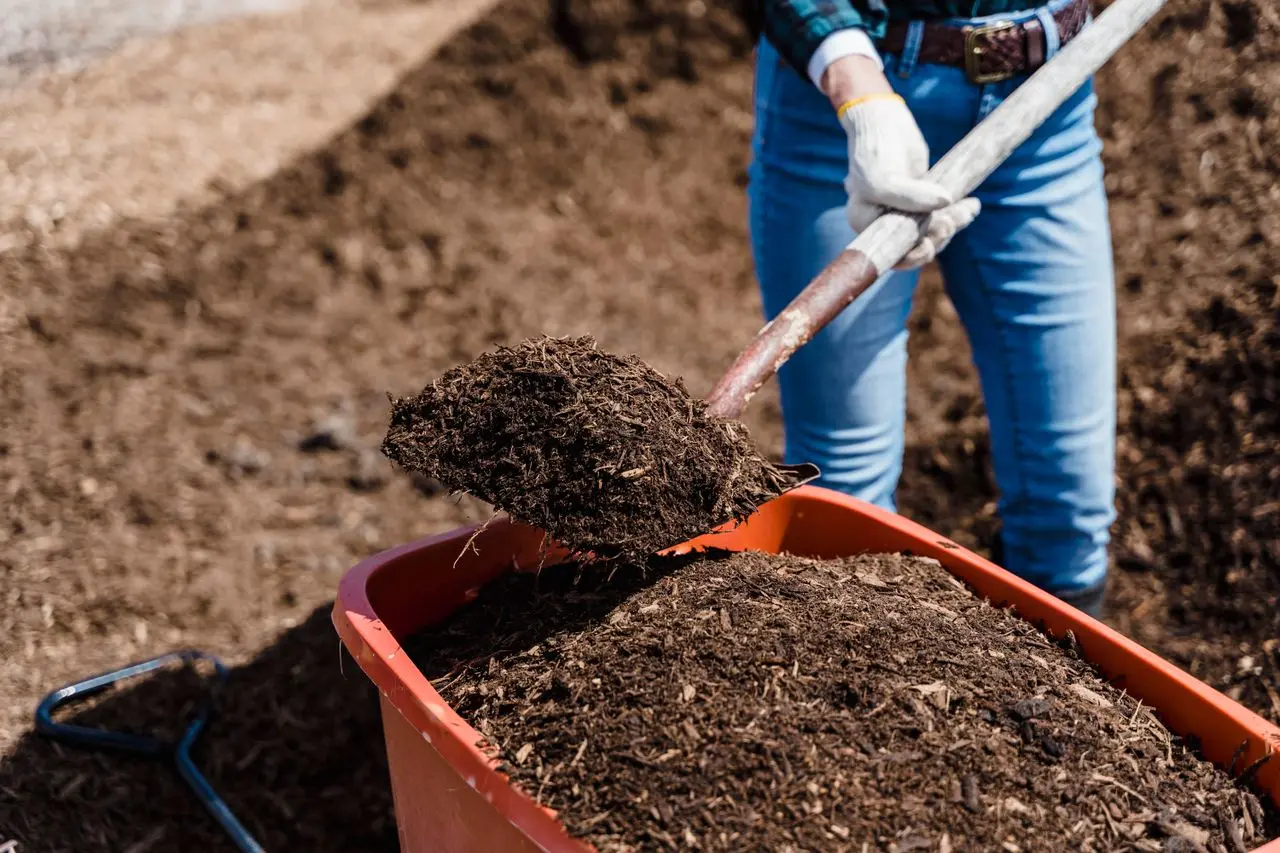
It depends on how you’re composting, but a well-maintained bin or pile can produce finished compost in as little as two or three months, and sometimes less in warm weather.
A tumbler can yield compost in about four to eight weeks, while an unturned pile, or one that’s loaded and dumped often, can take as long as six months to a year. Cold weather slows the process down, but composting doesn’t stop in winter, it just slows. Turn your bin occasionally and add some extra browns to keep things moving, and it will be ready to use in the spring.
You’ll know the compost is ready when it looks like dark, crumbly soil and smells like a forest floor after rain. There shouldn’t be any identifiable food waste left, with the possible exception of some small twigs or eggshells. If the compost still smells like rotting food or feels warm inside, give it a little more time.
How to Use Finished Compost in Your Garden
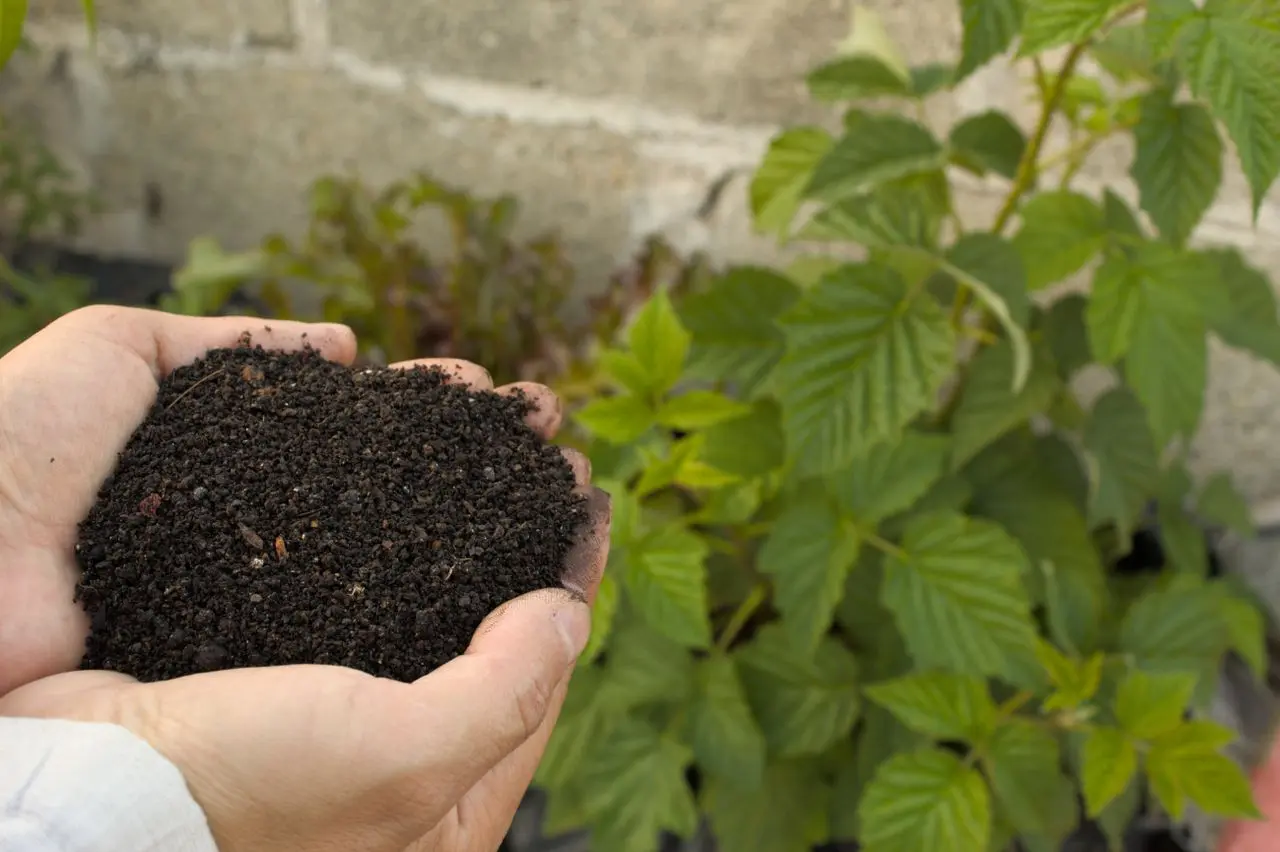
Compost is one of the best things you can add to your soil, but it needs to be used correctly to be effective. Here’s how to use finished compost:
- Vegetable gardens: spread 1 to 2 inches of compost over the soil, then dig it in before planting. If you’re planning your garden beds, our guide to vegetable garden layout and spacing shows you how to arrange them.
- Top dressing: apply about 1/2 inch of compost around established plants, taking care not to get it on the stems.
- Potted plants and containers: mix about 1/4 compost with potting soil. Pure compost can be too dense for pots, but this mix works well for growing herbs in containers too. Doing this annually helps replenish nutrients in your potting soil.
- Lawns: sprinkle a thin layer (about 1/4 to 1/2 inch) of compost over the lawn and rake it in.
- Trees and shrubs: spread a ring of compost around the tree or shrub, keeping it several inches away from the trunk.
Compost is more of a soil amendment than a fertilizer, so plants that need extra nutrients (like tomatoes) may still need additional fertilizer during the growing season to supplement the compost.
Frequently Asked Questions
Can you put cooked food in compost?
It’s best to avoid greasy, buttery or meaty leftovers. Small amounts of plain cooked vegetables, rice or pasta can go in the bin if they’re buried and covered with browns, but they can attract animals.
Can you compost in winter?
Yes, but the composting process slows down in cold weather. Keep adding browns and cover any food waste to help insulate the pile.
Do I need to add worms or a compost starter?
No. The microbes that do the work of decomposing are already in your food waste and soil. A shovelful of finished compost or garden soil can help jump-start a new bin, but it’s not absolutely necessary.
Why does my compost smell bad?
It’s probably too wet or has too many greens. Add some dry browns like leaves or shredded cardboard, and turn the pile to let in air.
Can I compost weeds?
Yes, as long as they don’t have seeds or spreading roots. Avoid composting weeds that have gone to seed or have invasive roots, like bindweed.
Final Thoughts
Composting is easier than it looks, but there are a few basic rules to follow: balance your compost with a mix of greens and browns, bury your food waste, keep the pile damp but not soaked, and avoid the items on the “don’t compost” list. Start with what you already throw away, and in a few months you’ll have rich, dark compost for your plants and less waste going to the landfill.