
How to Get Rid of Aphids on Plants: Identify, Treat & Prevent Them Naturally
What aphids look like, the damage they cause, and seven natural ways to get rid of them, from a simple water spray to soap, neem oil and ladybugs.
You notice a small cluster of insects on a new shoot. A week later they are on the buds, then on the plant next to it. That is how aphids on plants usually go: a few tiny sap-suckers turn into a crowd quickly, and the leaves start to curl and turn sticky.
The good news is that aphids are one of the easier garden pests to deal with, and you rarely need harsh chemicals. This guide shows you how to confirm that it really is aphids, what the damage looks like, and seven natural methods in the order they are worth trying. It also covers roses, vegetables, herbs and houseplants, and how to stop aphids coming back.
Check these 3 things before you spray anything
- Are they really aphids? Look under the leaves and on the newest shoots. Aphids are small, soft, pear-shaped insects that sit in clusters and barely move. Tap a leaf over a sheet of white paper if you need a clearer look.
- How many are there? A few aphids can be wiped off or rinsed away. A heavy infestation needs a spray and repeat treatments. If you see ladybugs or their larvae among the aphids, give them a few days to work first.
- What is the plant? Plants you will eat, plants indoors and delicate seedlings all need gentler treatment than a tough outdoor shrub. The sections below say what to use where.
What Do Aphids Look Like?
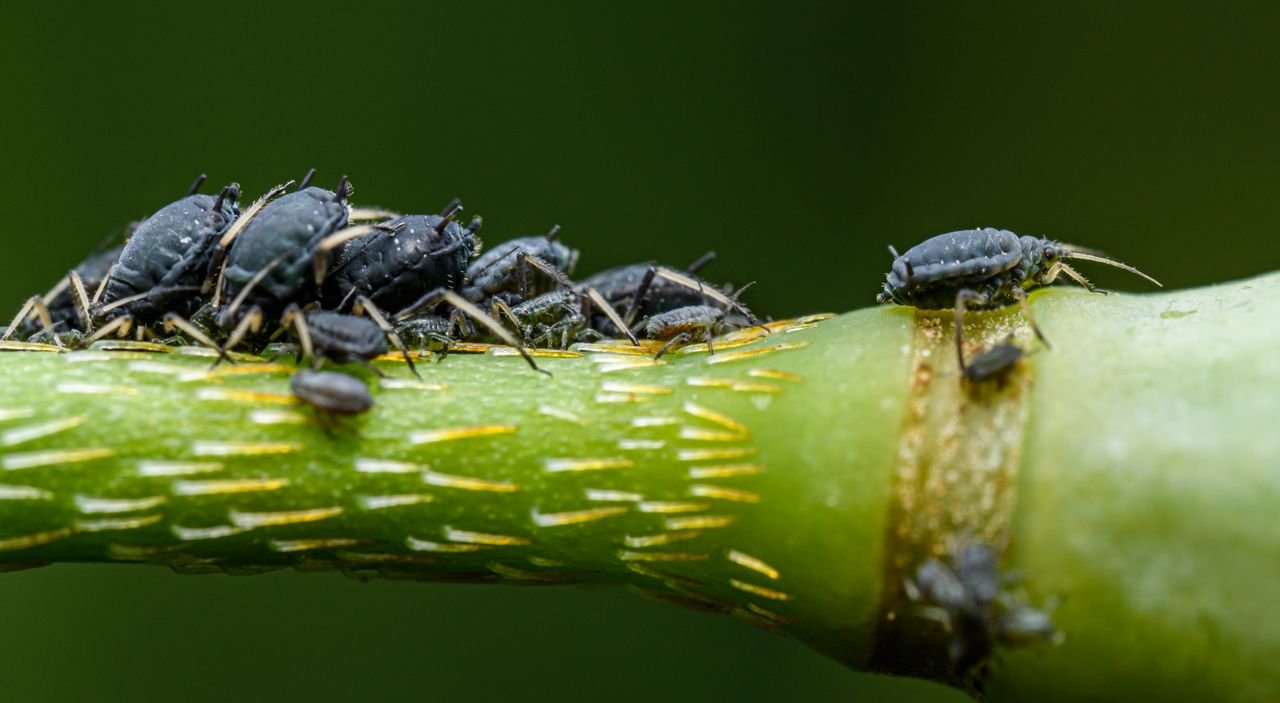
Aphids are soft-bodied insects, usually about 1–4 mm long (up to about 1/8 inch). They have a pear-shaped body, long antennae and two tiny tube-like points at the rear end. Their color depends on the species and the plant: green, black, yellow, brown, pink, gray or white. They feed in groups on tender shoots, flower buds and the undersides of leaves. When a colony gets crowded, some aphids grow wings and fly to nearby plants, which is how they spread.
| Type | What It Looks Like | Where You Usually Find It |
|---|---|---|
| Green aphids | Pale to bright green, soft and pear-shaped | New shoots, buds and leaf undersides on roses, vegetables, herbs and many flowers |
| Black aphids | Small, black or dark brown, often packed tightly together | Shoot tips and flower stems of beans, nasturtiums and many garden and indoor plants |
| White or woolly aphids | Covered in a white, waxy, cotton-like fluff | Branches and stems of trees and shrubs, often in bark cracks and around pruning cuts |
Aphids also come in yellow, brown, pink and gray, depending on the species.
Are they aphids or something else?
Many people search for “white aphids on plants” and are actually looking at a different pest, or at shed skins. Aphids leave behind small white flakes when they molt. These look like dandruff and are harmless, but they tell you aphids have been there. Use this table to tell the common look-alikes apart.
| Pest | How to Recognize It |
|---|---|
| Aphids | Pear-shaped, soft, in tight groups on shoots and leaf undersides. Plants end up sticky, and white shed skins are often visible. |
| Whiteflies | Tiny white moth-like insects. They flutter up in a cloud when you shake the plant. |
| Mealybugs | White, cottony, oval insects that move slowly. They hide in leaf joints and along stems. |
| Spider mites | Tiny specks with fine webbing and pale stippled leaves. There is no sticky residue. |
Most soft-bodied pests respond to the same gentle methods below, but this guide focuses on aphids.
Signs of Aphid Damage on Leaves
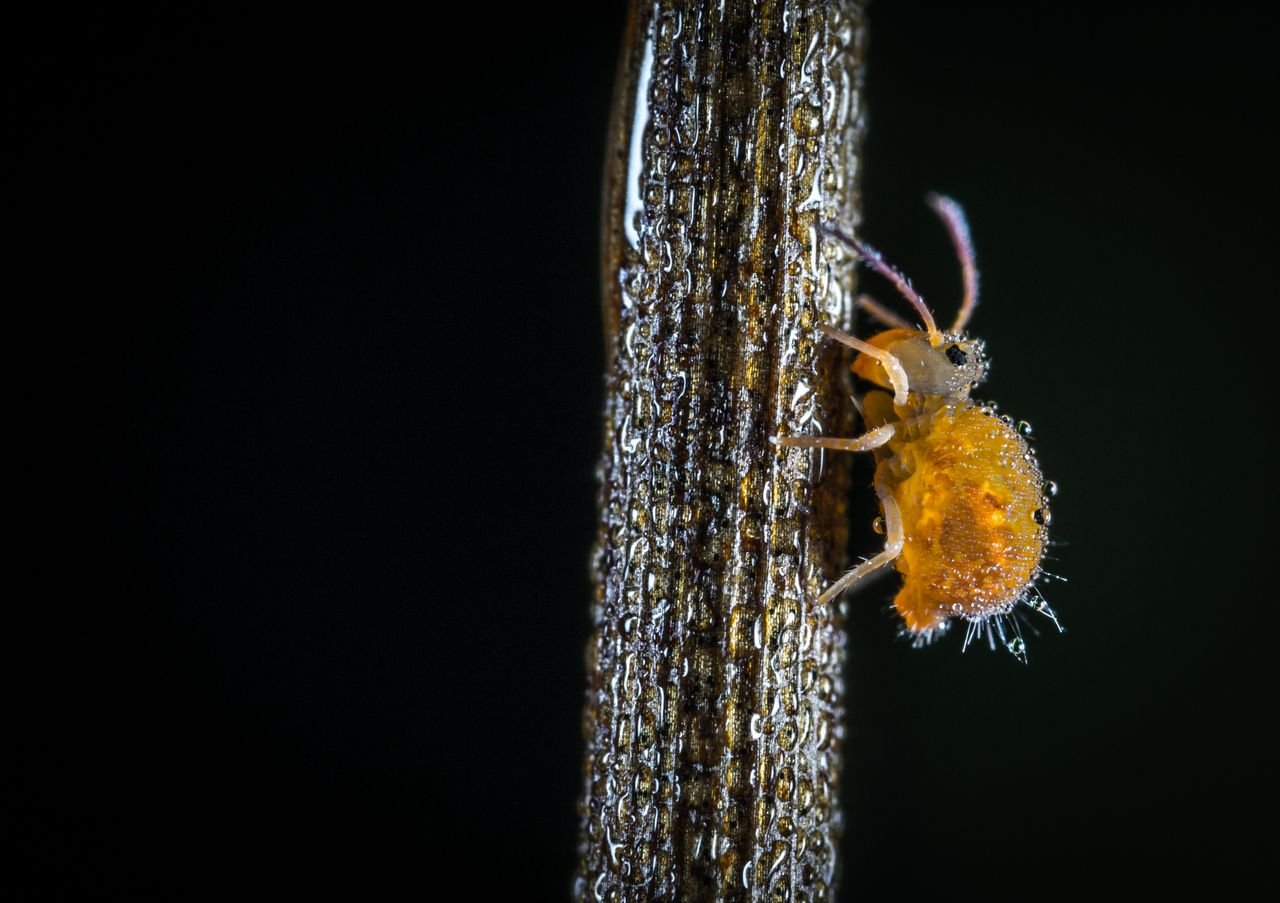
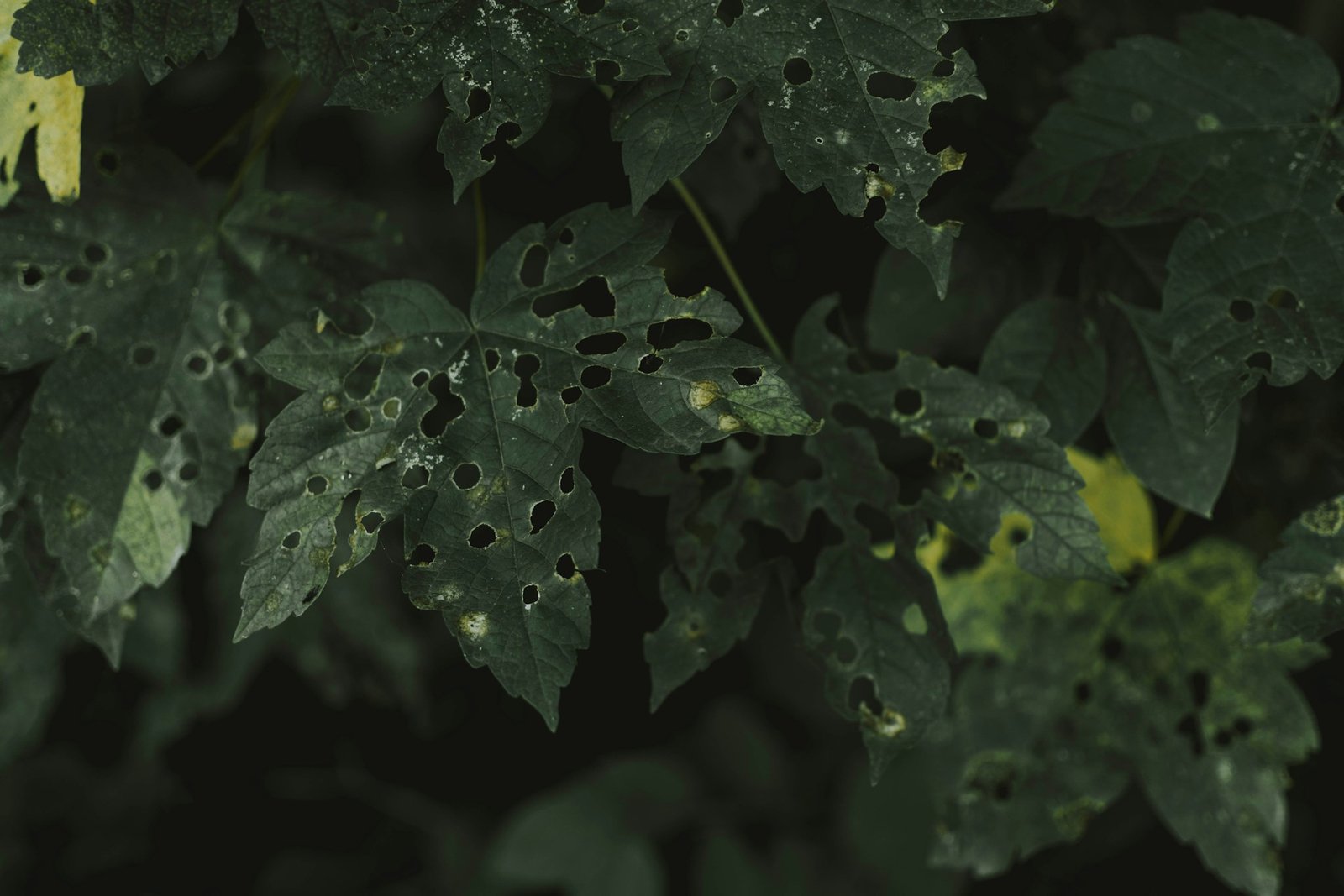
Aphids damage plants by sucking sap from soft tissue. A healthy plant can handle a small colony, so the goal is to act before the damage builds up. Look for these signs:
- Curled, puckered or twisted leaves, especially at the shoot tips.
- Yellowing or stunted new growth, and buds that are distorted or fail to open.
- Sticky residue on leaves and stems, and sometimes on the pot, the soil or the patio below. This is honeydew, the sugary waste that aphids produce.
- Black sooty mold, a dark film that grows on honeydew. It can block light from the leaf, though it wipes off.
- Ants climbing the plant in a steady line (more on that in a moment).
- White flakes on the leaves, which are shed aphid skins.
Why Aphids Appear (and Why Ants Come With Them)
Aphids go for tender new growth, so they are most active in spring and early summer, when plants push out fresh shoots. Indoors they can show up at any time of year. They multiply fast. In warm weather the females give birth to live young without needing to mate, so a handful of aphids can become hundreds in a short time. Plants fed with a lot of nitrogen fertilizer grow soft, lush shoots, and aphids love those.
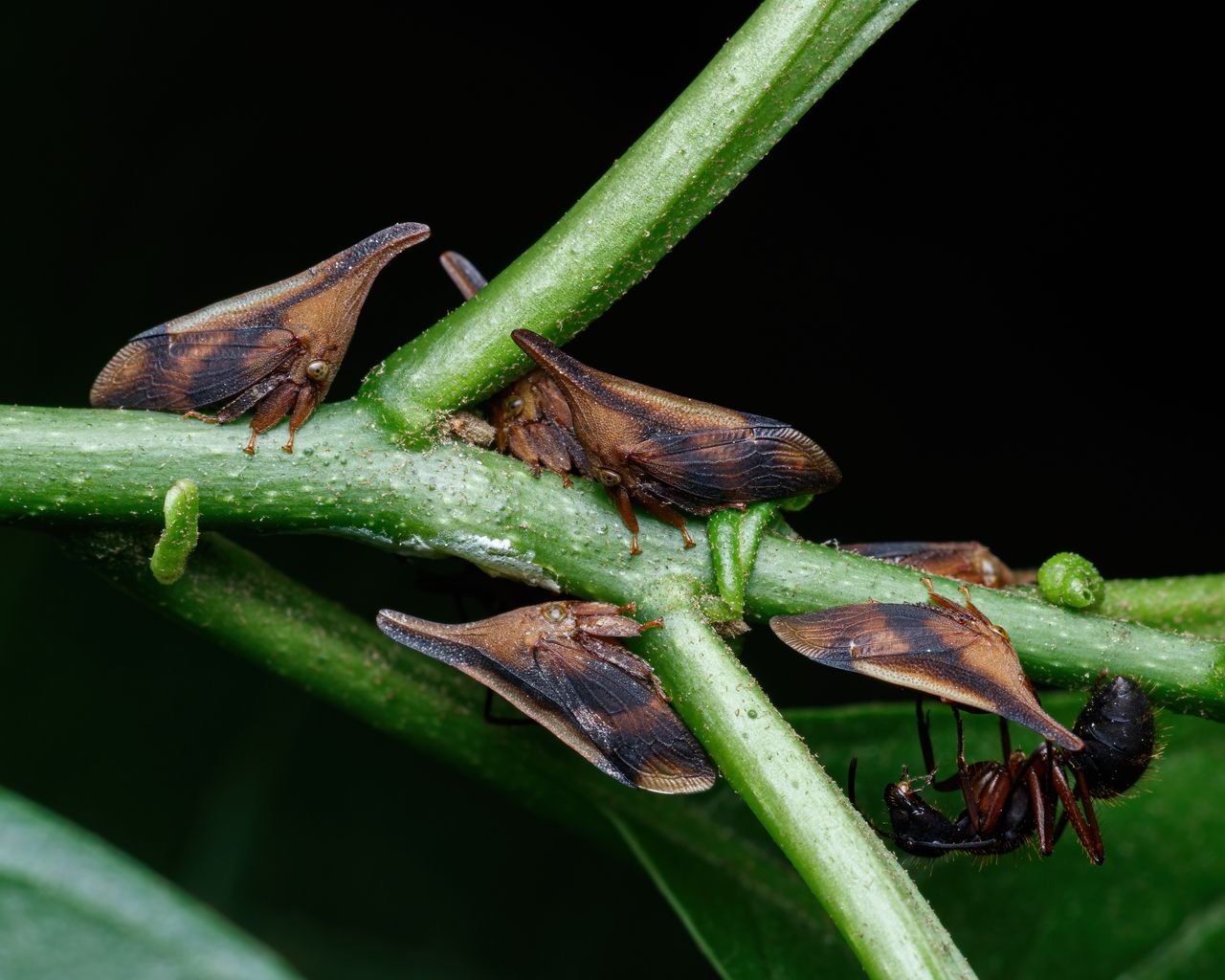
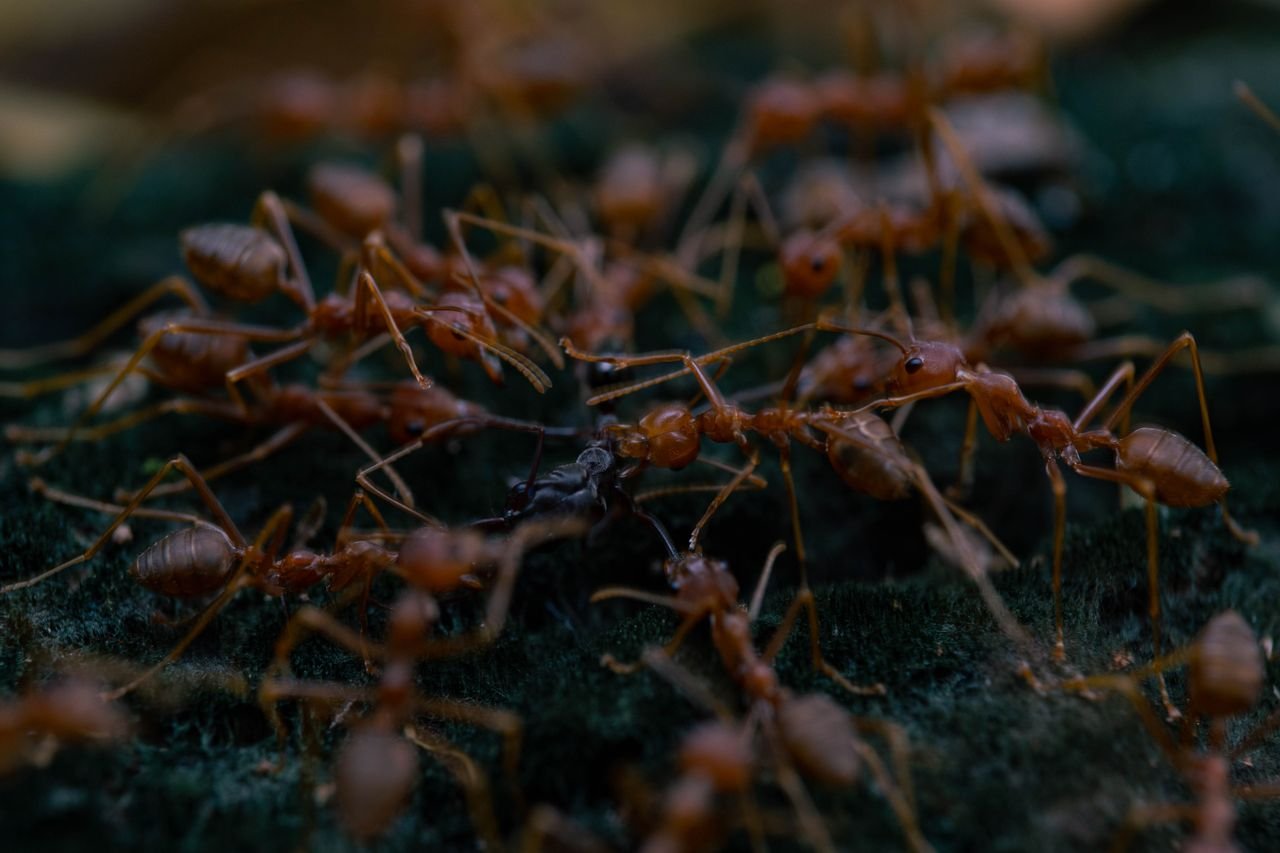
Ants are part of the story. Aphids feed on sap and release honeydew, and ants eat it. In return, ants guard the aphids and chase off ladybugs and other predators. This partnership between ants and aphids is why you often see ants marching up a stem. It also means that if you treat the aphids but ignore the ants, the ants will keep protecting the survivors.
How to Get Rid of Aphids on Plants Naturally: 7 Methods
Start with the gentlest method and move to the next only if you need to. Most aphid problems are solved by methods 1 to 3.
1. Knock them off with water
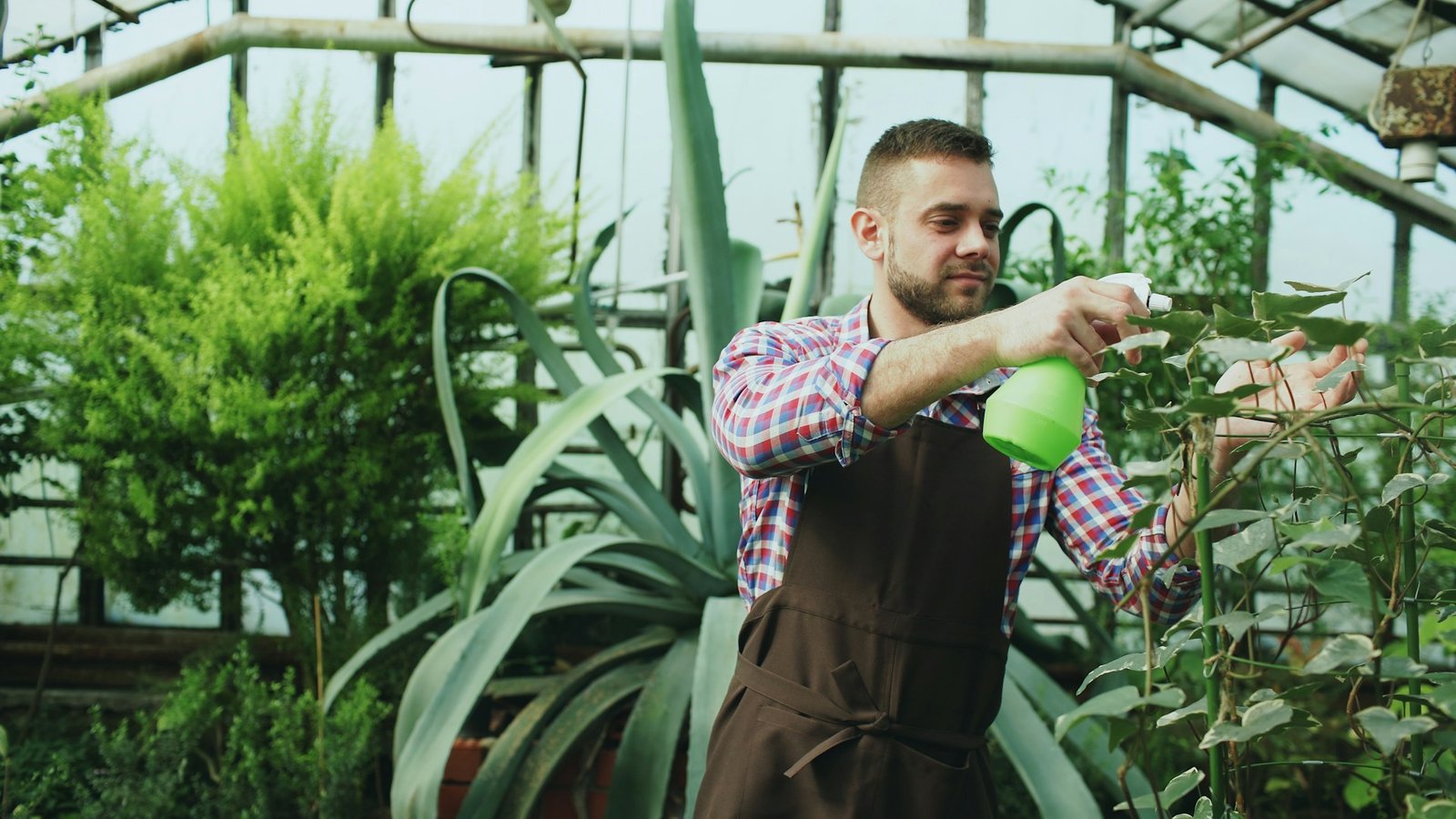
A firm jet of water from a hose or spray bottle knocks aphids off the plant, and many do not find their way back. Aim at the stems, shoot tips and the undersides of the leaves. Do this in the morning so the foliage dries before night, and repeat every two or three days for a week or two. This method is free and safe for edible plants. Use a gentler stream on seedlings and very soft growth.
2. Wipe, pinch off or prune
For a small colony, wipe the aphids off with a damp cloth or your fingers. Pinch off shoot tips that are badly curled or covered in aphids, and put them in a sealed bag in the trash rather than the compost pile. This is the quickest way to stop an early infestation from spreading.
3. Use a homemade aphid spray (soap and water)
The best homemade aphid spray is the simplest one: soap and water. The soap breaks down the insects’ protective coating, so it only works on aphids it actually touches.
- Mix it. Add 1 teaspoon of mild liquid soap to 1 litre (about 4 cups) of water in a clean spray bottle. Use pure castile soap or a plain dish soap with no bleach, degreaser or antibacterial additives. Never use dishwasher detergent.
- Test it. Spray a few leaves and wait 24 hours. If the leaves show no spots or burning, go ahead.
- Spray in the morning or evening. Avoid hot, direct sun. Wet the aphids thoroughly, including the undersides of leaves, the stems and the shoot tips.
- Rinse if needed. On sensitive plants, rinse with plain water a few hours later.
- Repeat. Spray again every 4 to 7 days, two or three times, until no aphids remain.
A ready-made insecticidal soap is made for this job and is usually gentler on leaves than a homemade mix, which can burn some plants. Whichever you use, spray only the affected parts so you do not harm helpful insects like ladybugs.
Watch a demonstration of a natural aphid spray in action:
4. Try neem oil for aphids
Neem oil is a plant-based oil that coats aphids and can reduce their feeding and growth. It works more slowly than soap, so plan on repeat applications. Use a neem product labeled for garden plants and mix it exactly as the label says. Here are the rules that keep it safe:
- Spray in the evening and avoid hot, sunny weather, because oils can burn wet leaves in strong sun.
- Test on a few leaves first and wait 24 hours.
- Avoid spraying open flowers, since neem can harm bees if it lands on them.
- On vegetables and herbs, check the label for how many days to wait before harvesting.
If you are choosing between the two, soap is the faster and simpler first choice. Neem oil is a good second option when aphids keep returning.
5. Bring in ladybugs and other helpers
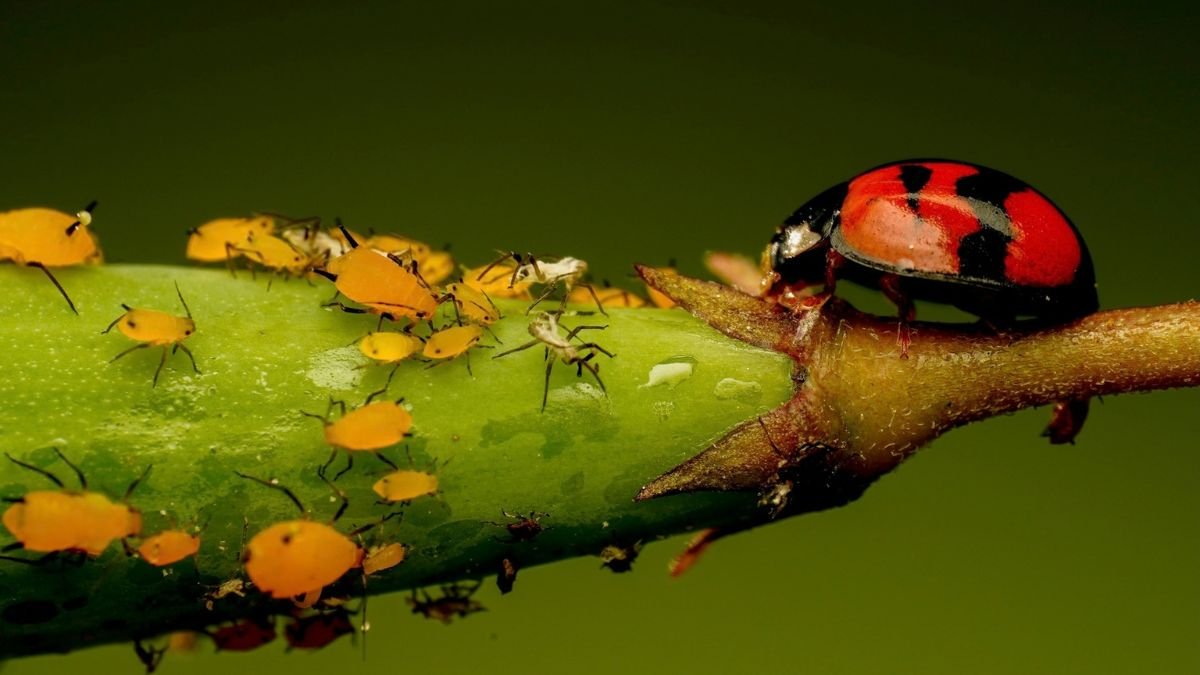
Nature has its own aphid control. Ladybug adults and their larvae eat large numbers of aphids. The larvae look like tiny spiky alligators, so learn to recognize them and do not squash them. Lacewing and hoverfly larvae also feed on aphids. If you spot aphids that look swollen, tan or bronze, they have been parasitized by tiny wasps, so leave them alone.
You can encourage helpers by growing flowers they like, such as dill, fennel, yarrow and sweet alyssum, and by avoiding broad-spectrum insecticides that kill them.
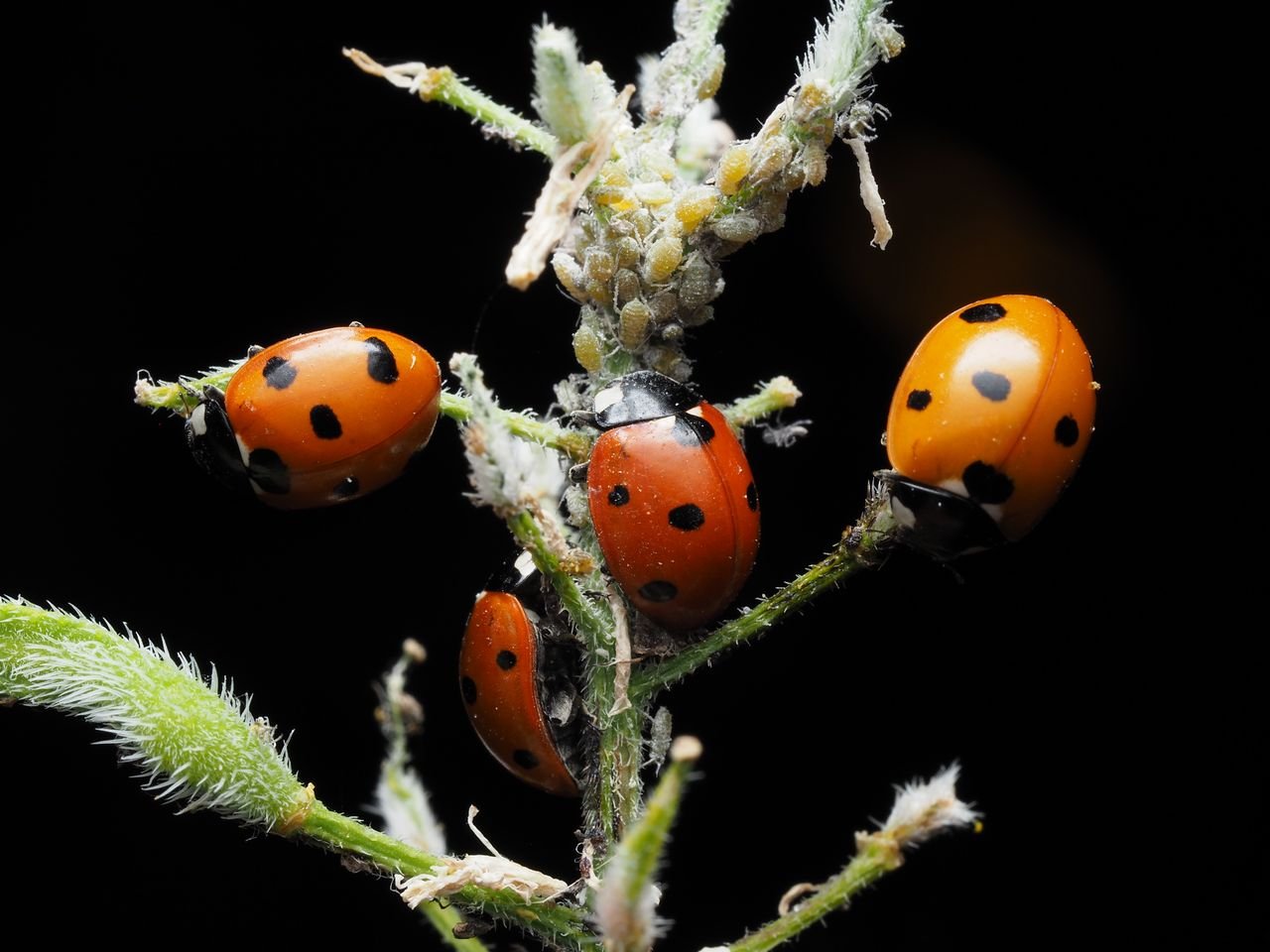
If you decide to buy ladybugs for aphid control, release a small number in the evening onto damp plants, close to the infestation. Many fly away within days, so results are mixed. Attracting the ladybugs already in your area usually works better over time.
See how ladybugs go after aphids:
6. Use trap plants and companion plants
Nasturtiums are a favorite of black aphids, so some gardeners plant them away from their valuable crops as a decoy. If the nasturtiums get covered, rinse them off or remove them. Strong-smelling plants like chives, garlic and onions are also said to put aphids off. The evidence for companion planting is mixed, so treat it as a helpful extra rather than a cure.
7. Control the ants
If ants are climbing your plant, deal with them or the aphids will keep coming back.
- For trees and woody shrubs, wrap a sticky barrier band around the trunk so ants cannot climb up.
- Trim branches or stems that touch a fence, wall or the ground and give ants a bridge.
- For potted plants, stand the pot in a shallow dish of water so ants cannot cross.
- Keep ant baits and poisons away from edible plants.
Which method for which situation?
| Situation | Start With | If It Is Not Enough |
|---|---|---|
| A few aphids on one shoot | Wipe off or pinch off the tip | Rinse with water |
| Many shoots on a sturdy outdoor plant | Strong water spray every 2–3 days | Soap spray, repeated |
| Seedlings and delicate plants | Gentle rinse and hand removal | Soap spray after a leaf test |
| Vegetables and herbs close to harvest | Water spray, then wash well after picking | Soap labeled for edible plants |
| Heavy or returning infestation | Soap spray, repeated | Neem oil, plus ant control |
| Houseplants | Rinse in the sink or shower and wipe stems | Soap spray, repeated weekly |
Aphids on Roses, Vegetables, Herbs and Houseplants
Aphids on roses
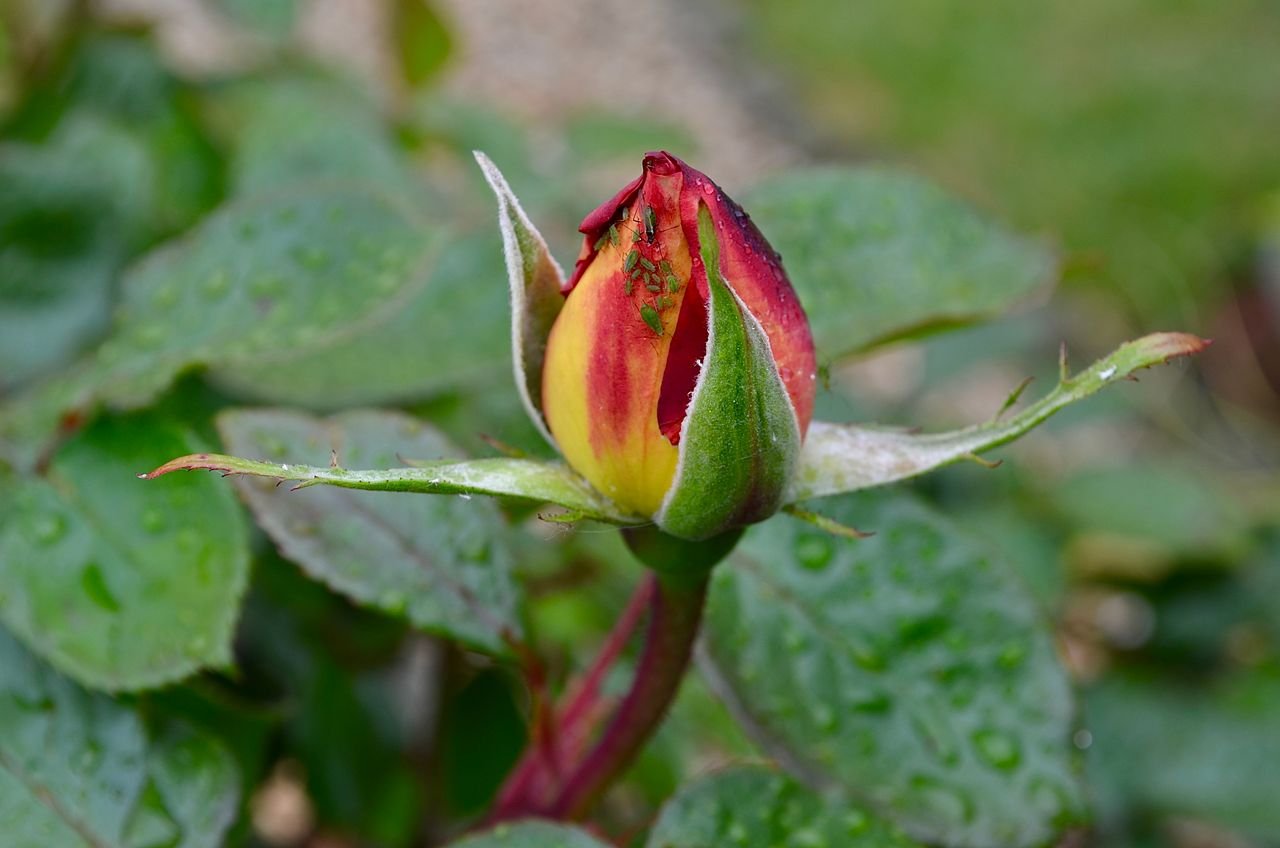
Roses are favorite targets, especially the tender buds and new shoots in spring. A strong spray of water each morning for several days often clears them. If they persist, follow with a soap spray. This is also the best home remedy for aphids on roses, and a healthy rose can tolerate a few. If your rose leaves are yellow and you cannot find any insects, aphids are probably not the cause, so read why rose leaves turn yellow.
Aphids on vegetables
Aphids commonly attack kale, cabbage, broccoli, beans, peas, peppers, squash and tomatoes. Cabbage-family aphids like to hide in the folds of leaves. On edible crops, start with water and hand removal, use only products labeled for vegetables, and follow the label’s waiting time before harvest. Wash the produce well afterwards. An aphid or two that gets missed is harmless to eat. Good spacing also helps, because airflow and sensible plant placement make crops less inviting, as covered in our vegetable garden layout and companion planting guide. A lightweight row cover placed over young crops before aphids arrive can also keep them out.
Aphids on herbs
Dill, cilantro, basil, mint and parsley can all get aphids. Rinse with water first and cut off any badly infested stems, since you would harvest them anyway. If you need a spray, choose a soap product labeled for edible plants, and wash the herbs before using them. For more on keeping potted herbs healthy, see our guide to growing herbs in containers.
Black aphids in the house
Small black aphids indoors usually arrive on a new plant, on cut flowers or on plants that spent the summer outside. Move the plant away from the others, rinse it in the sink or shower with lukewarm water, and wipe the stems and the undersides of the leaves. Then use a soap spray (after a leaf test) and repeat weekly for about three weeks. Check nearby plants too, since aphids move easily between them.
How to Prevent Aphids From Coming Back
Prevention takes much less effort than treatment. These habits keep most aphid problems from starting.
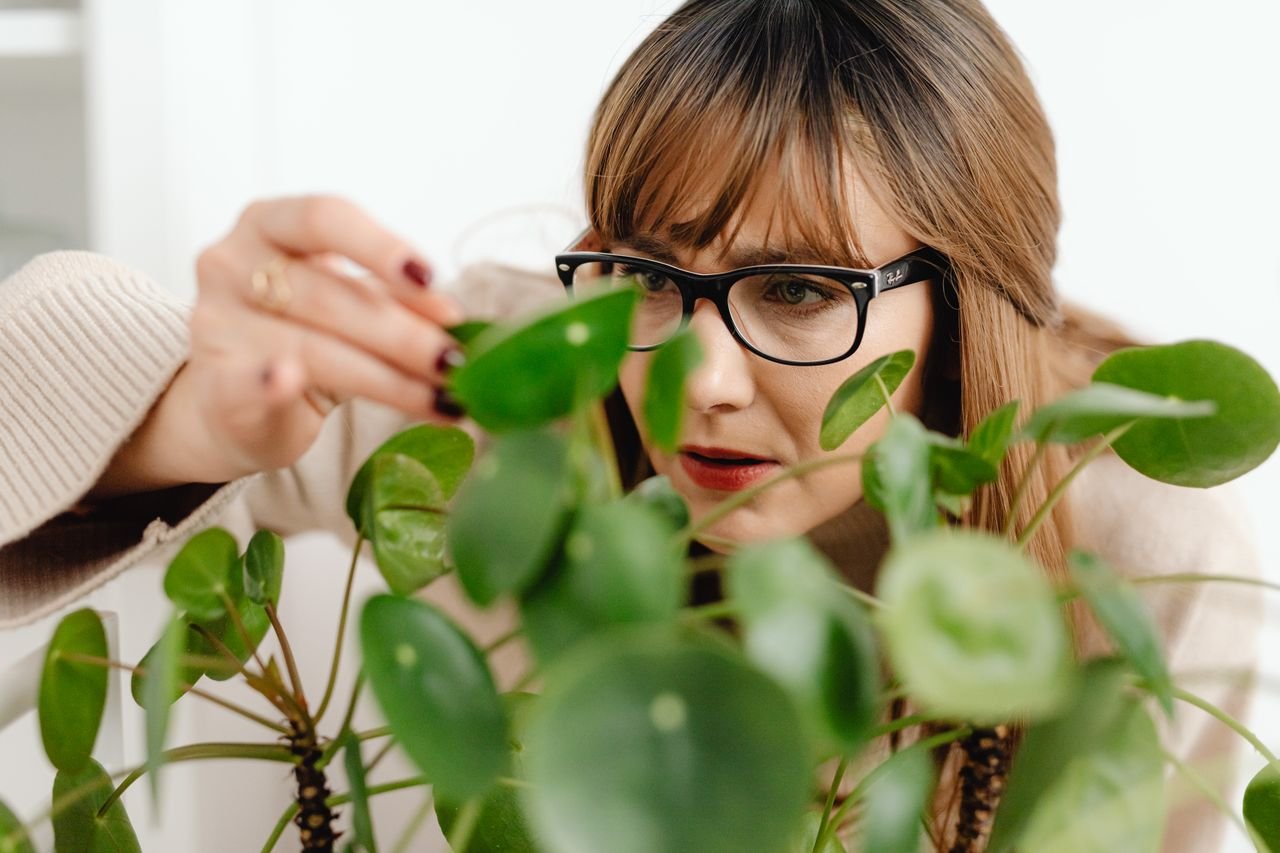
- Check weekly: look at new shoots, buds and the undersides of leaves. Early catches are easy to fix.
- Go easy on nitrogen: use a balanced or slow-release fertilizer, because too much nitrogen makes soft growth that aphids love.
- Give plants space: crowded plants have poor airflow and are harder to inspect.
- Pull nearby weeds: some weeds host aphids and pass them on to your plants.
- Keep the ants in check: without ants, ladybugs and other predators can do their job.
- Plant for helpers: dill, fennel, yarrow and sweet alyssum attract ladybugs, hoverflies and lacewings.
- Quarantine new plants: keep them apart for one to two weeks before putting them next to your other plants.
- Avoid broad-spectrum insecticides: they kill the helpful insects along with the pests.
Common Mistakes When Treating Aphids
| Mistake | Why It Fails | Do This Instead |
|---|---|---|
| Spraying once and stopping | Survivors and newly hatched aphids rebuild the colony within days. | Repeat every 4–7 days for two or three rounds, then keep checking weekly. |
| Spraying only the tops of leaves | Aphids hide on leaf undersides, stems and new growth. | Cover the undersides, stems and shoot tips. |
| Spraying in hot, bright sun | Soap and oil on wet leaves can burn them in strong sun. | Spray in the morning or evening. |
| Using vinegar, bleach or strong detergents | They can burn leaves and harm the plant and soil. | Use mild soap or a labeled insecticidal soap. |
| Ignoring the ants | Ants protect aphids and spread them. | Block the ants (method 7) while treating the aphids. |
| Over-fertilizing | Lots of soft new growth attracts more aphids. | Feed lightly with a balanced fertilizer. |
| Killing ladybug larvae by mistake | They are some of your best aphid fighters. | Learn what they look like and leave them be. |
Frequently Asked Questions
Are aphids harmful to humans?
No. Aphids do not bite, sting or spread disease to people, and they are not poisonous. They only harm plants by sucking sap. If you find them on produce, rinse them off and wash the food as usual.
What kills aphids instantly?
Nothing is truly instant, but the fastest options are squashing them by hand and spraying them with soap spray, which works on contact. A strong jet of water removes them right away without killing them. Because new aphids keep hatching, repeat your chosen method every few days until none are left.
Does vinegar kill aphids?
Vinegar is not recommended. It can burn leaves and harm the plant and the soil, and it is not a reliable aphid killer. A soap spray or a strong spray of water is safer and works better.
Why do aphids keep coming back?
The usual reasons are survivors hiding on leaf undersides, ants protecting them, new aphids flying in from nearby plants or weeds, and too much nitrogen fertilizer making soft growth. Repeat your treatment two or three times, control the ants and check your plants weekly.
Are vegetables safe to eat if they had aphids?
Yes, once they are washed. Rinse produce well, and soak leafy greens and cabbage-family vegetables in cold water to loosen any hidden aphids. If you used a spray, follow the waiting time on its label before harvesting.
Where do black aphids in the house come from?
They usually arrive on new plants, cut flowers or plants that spent time outdoors, and winged aphids can also come in through open windows. Move the affected plant away from others, rinse it, and treat it with a soap spray, repeating weekly for about three weeks.
This guide is for general gardening information. Always read and follow the label of any product you use, test sprays on a few leaves first, and check with your local nursery or agricultural extension service for advice specific to your area.